0:00 / 0:52
Why make personal software
I’ve been making personal software for as long as I can remember. I worked on a Terraria-like game a little after Terraria came out over a decade ago, and it took weeks of evenings to get a playable prototype. Now almost anything has something within a few hours.
We could obviously just play the original, which I still have on Steam, yet making ours is much more fun, and you can shape it exactly how you want.
Clay Shirky called this situated software, which “is personal from its inception.” Robin Sloan made an app for his family and wrote that programming this way is “a different activity altogether, just as cooking at home is really nothing like cooking in a commercial kitchen.”
My 4-year-old, our youngest, had a hard time with mouse and keyboard. I happened to have a pair of Switch Joy-Cons, so I added support for that after our first session. We play once a week, then they draw me something they want to see in the game, and I build some of it. A robot that scares zombies away with sound waves, trains, and countless others.
I’ve always created personal software; a database for myself, Shopify integrations for my wife’s business, a music studio for my son. I have more projects than I remember, sometimes I forget and rebuild things a decade later.
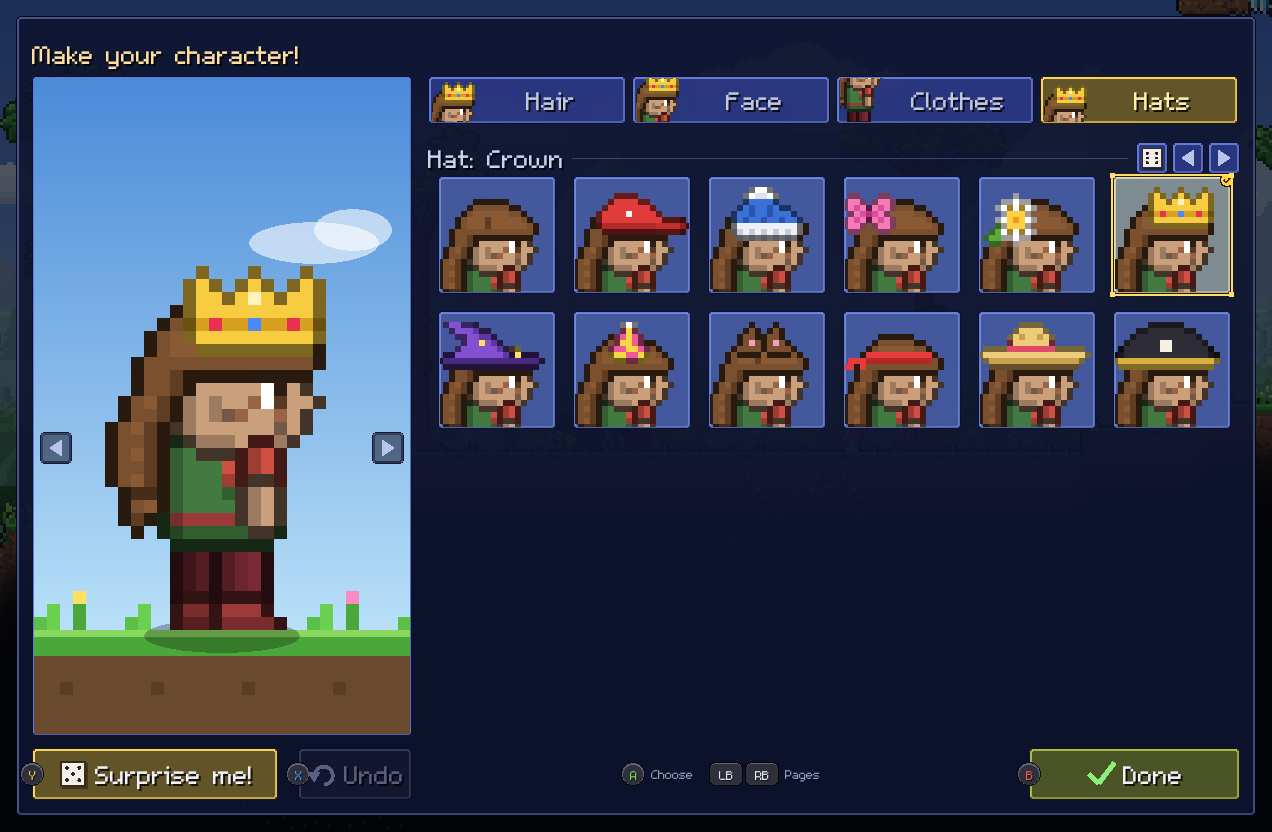
I don’t know if Terraria has a character studio, but I thought my kids would love to choose the hair and the skin color themselves, so we added it.
the Tangle
Orchestrating agents
For most of my longer projects, the OpenTUI library included, I work in one main session that I pin and rename. I talk to it, and it keeps track of the project. Subagents do the implementation, each in its own worktree, other subagents review it, and the main session merges them. Burrow has two of these sessions: BURROW for the game and SCORE for the music.
Many of my chats with the main session happen away from the computer. The OpenCode iOS on my phone has a live audio session I can talk to, and it passes what I say on to the main session. I asked for the character studio by voice. What I say is usually a few sentences, and the main session writes a brief for a subagent from it.
What I asked for
I think another task which would be cool to add is a playable character studio, or I like the playable characters, so you can edit them. Currently they are randomized, so the hair, skin color, et cetera. But for my kids they’d love playing around with adjusting those kinds of things. Adding that in a sub agent session. Making it very, very good, intuitive. And fun, that would be awesome.
The brief it became
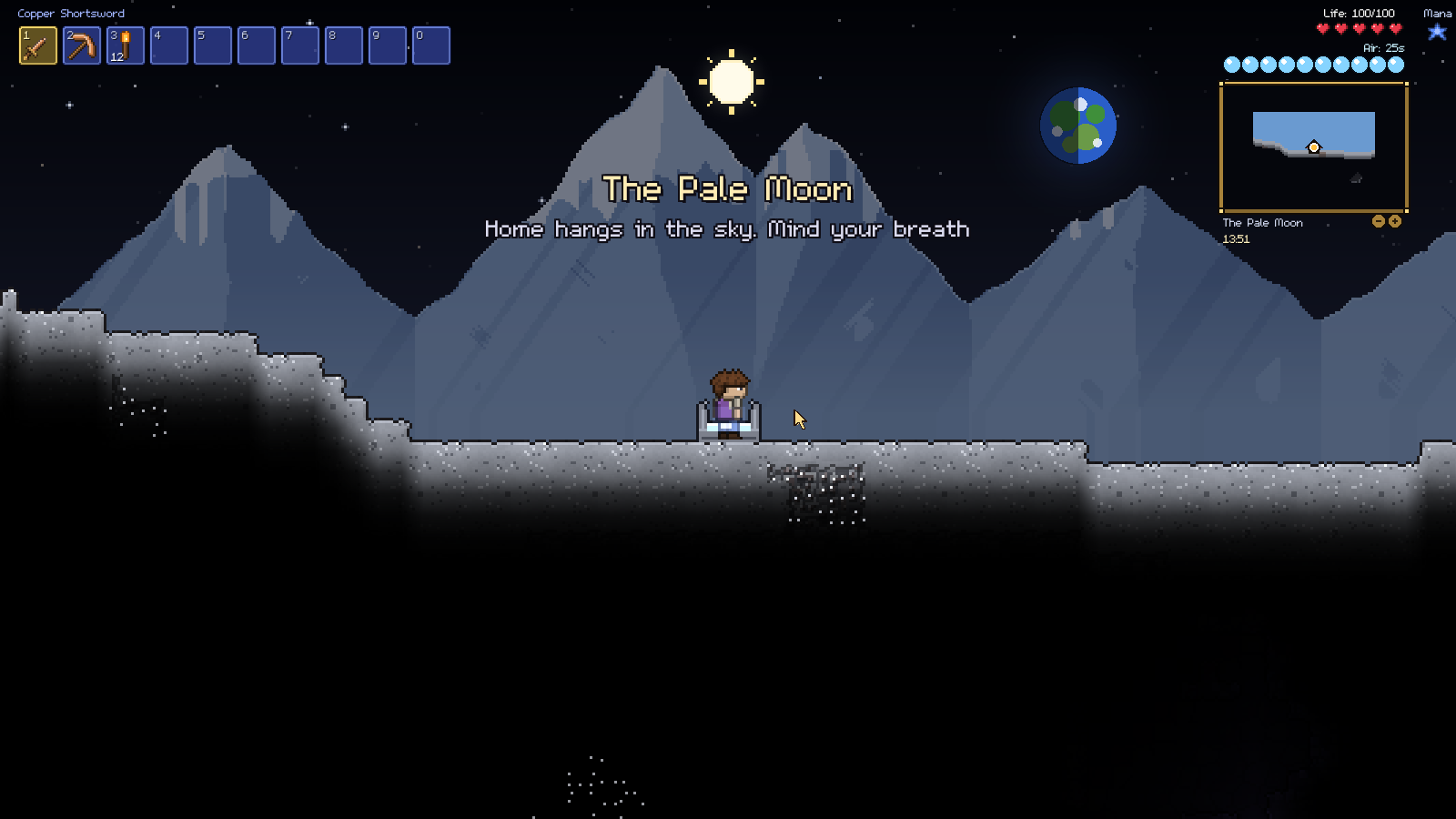
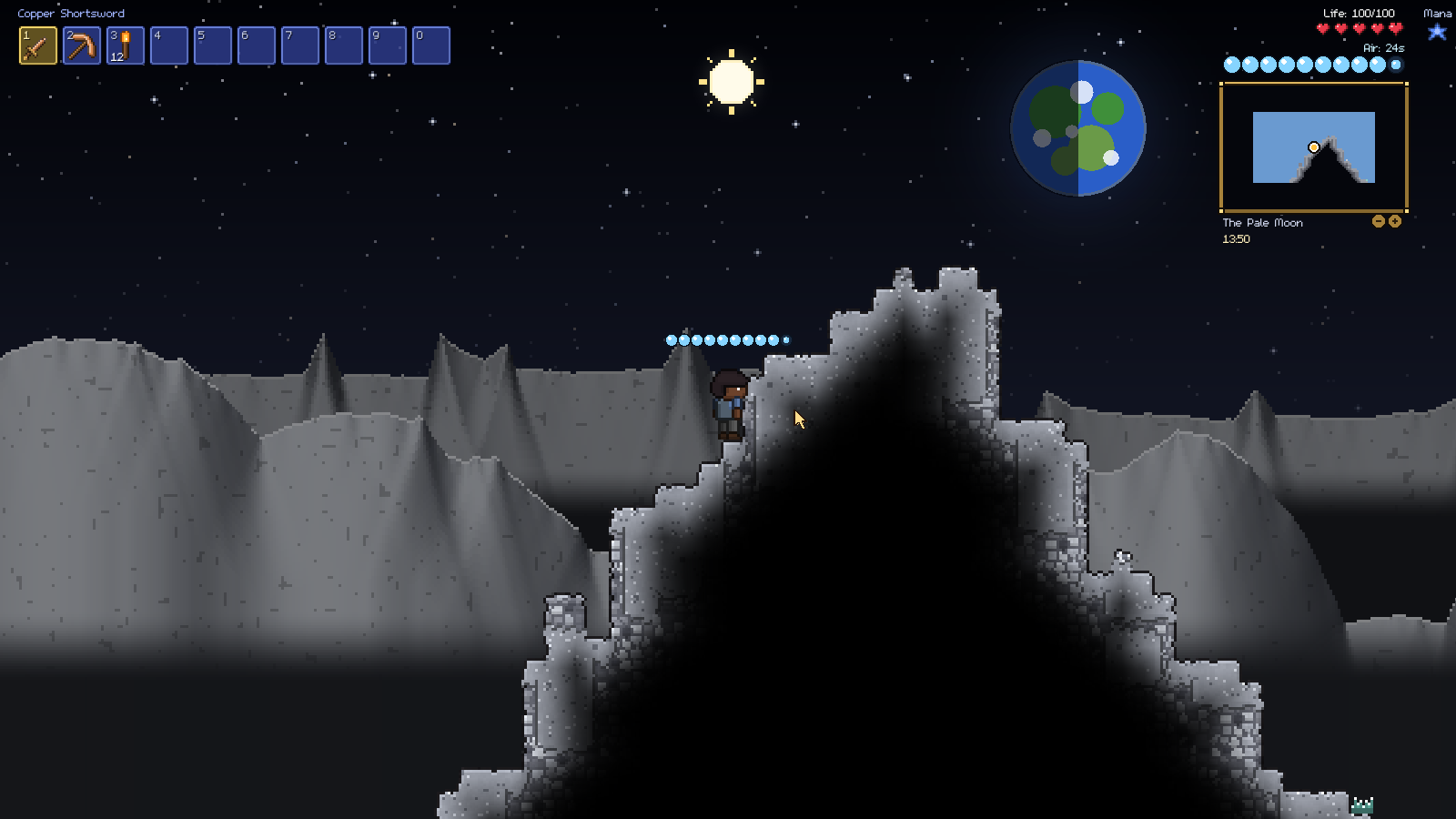
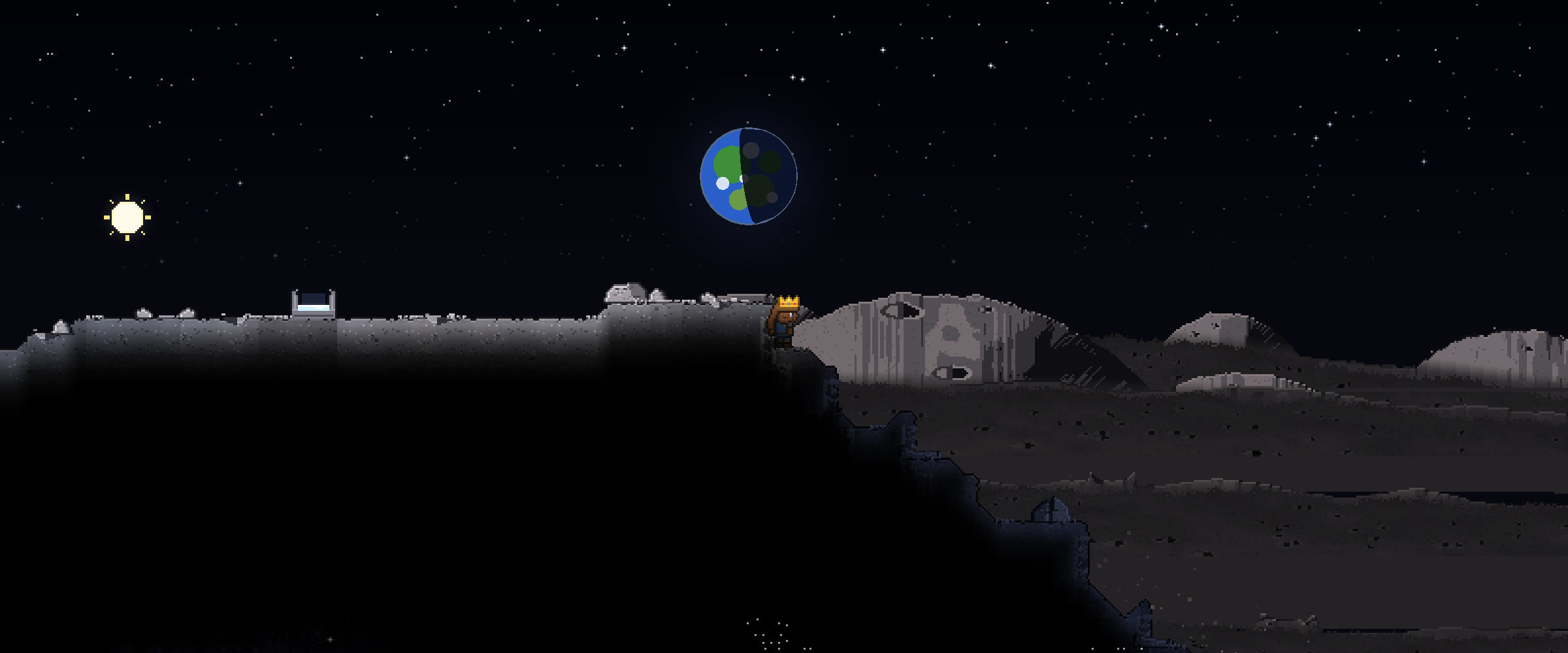
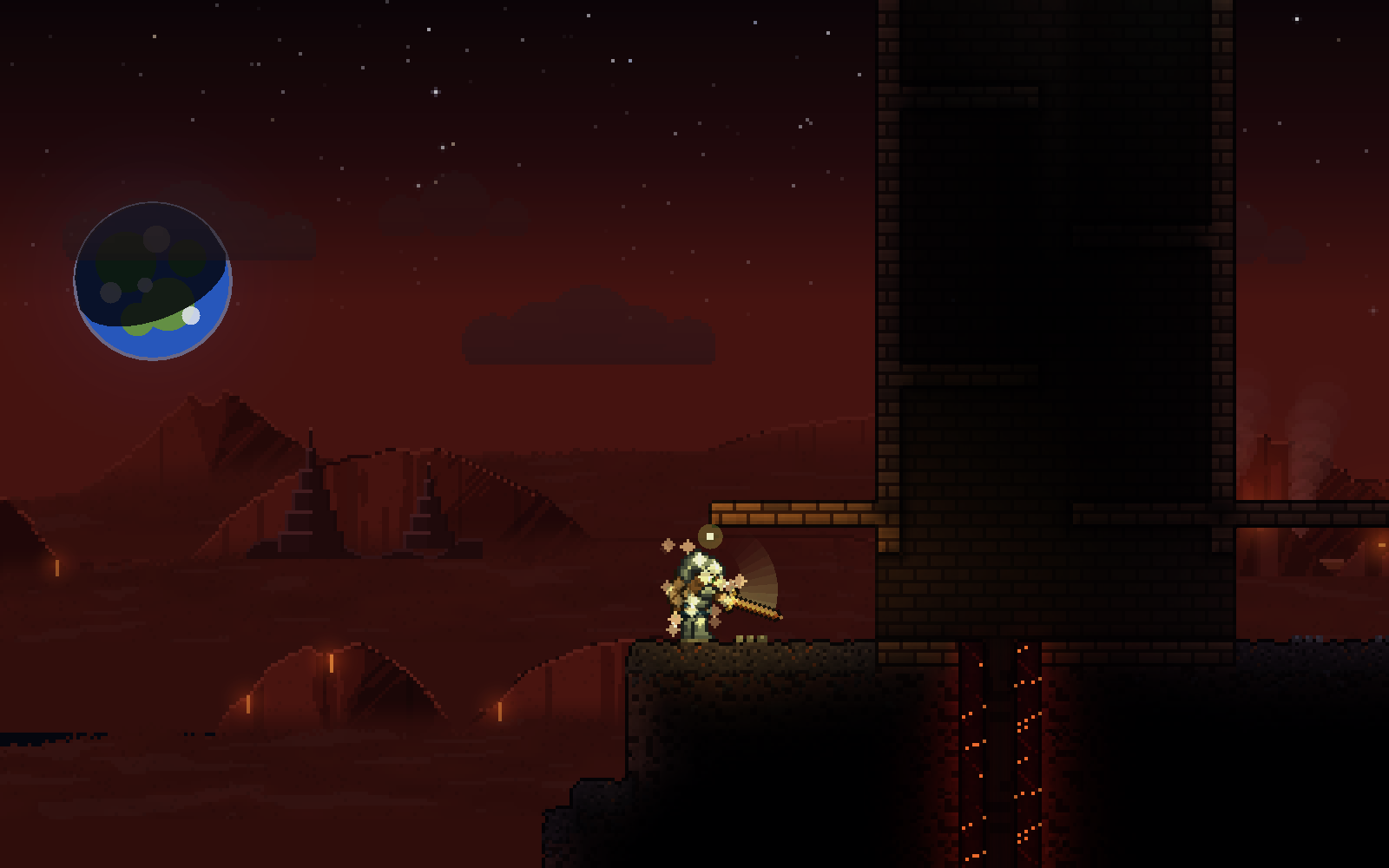
Most of what I tell the main session is how something feels. When I said the world felt samey, its brief asked for a way to measure that, so an agent could show its change had helped. When I said the game’s moon felt flat and small, not like a planet, I got a larger moon with hills, and it still didn’t feel like a planet. Before the next try the main session asked me what I meant by a planet. You can walk all the way around the moon it built after that.
the Dunes
Keep everything in text
I keep as much of the game as I can in code and text, because that is what an agent can read and change. Burrow is written in Zig on top of Raylib, with no external game engine. It is about 220,000 lines of Zig.
A host process runs the world, and each player’s game sends it input and draws what comes back. The host builds without the graphics library, so tests can run the whole game without opening a window and play it the way a player would.
There are no sprite files either. Code draws every sprite when the game starts.
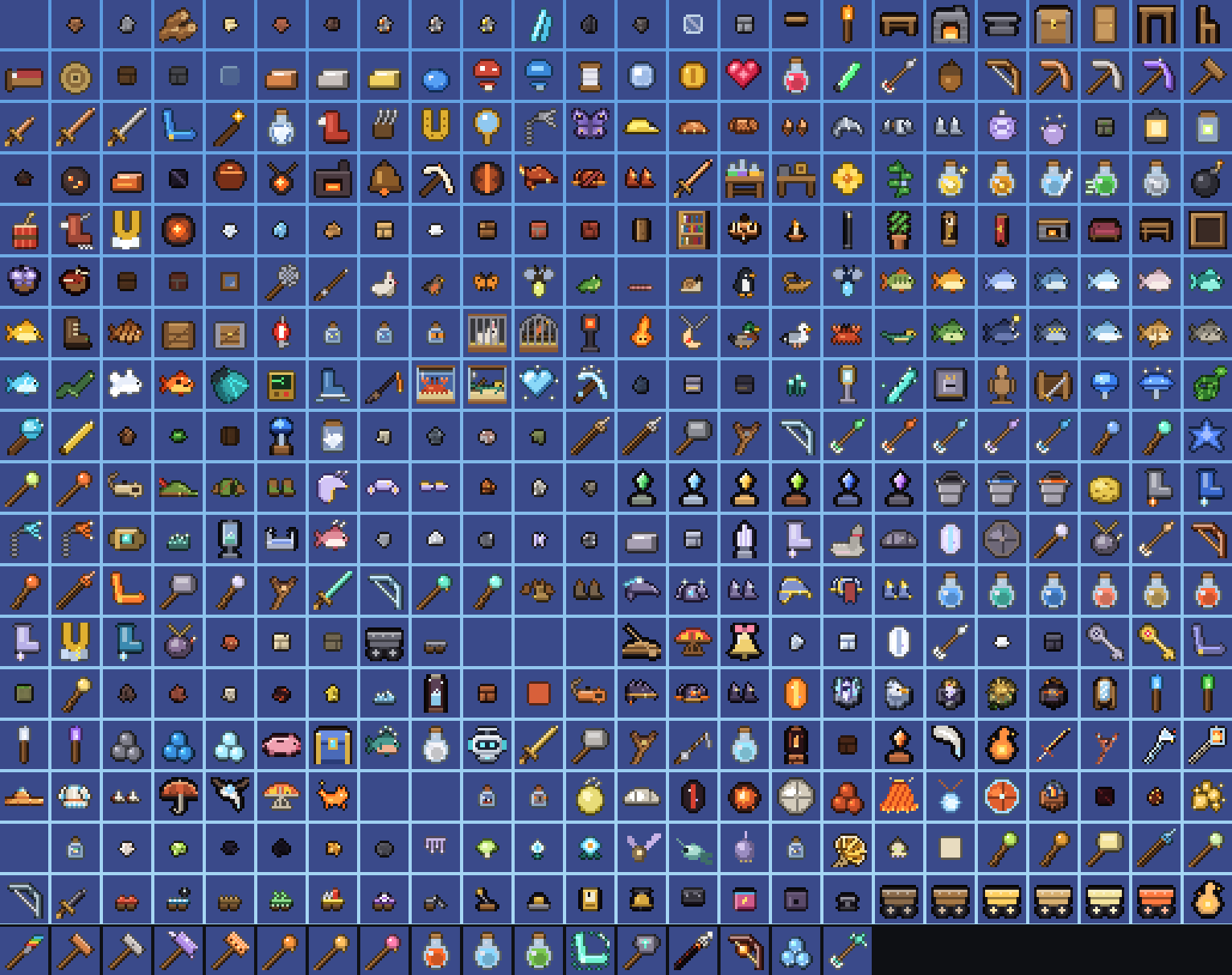
An agent runs the game on a display of its own and looks at screenshots.
What the agent sees
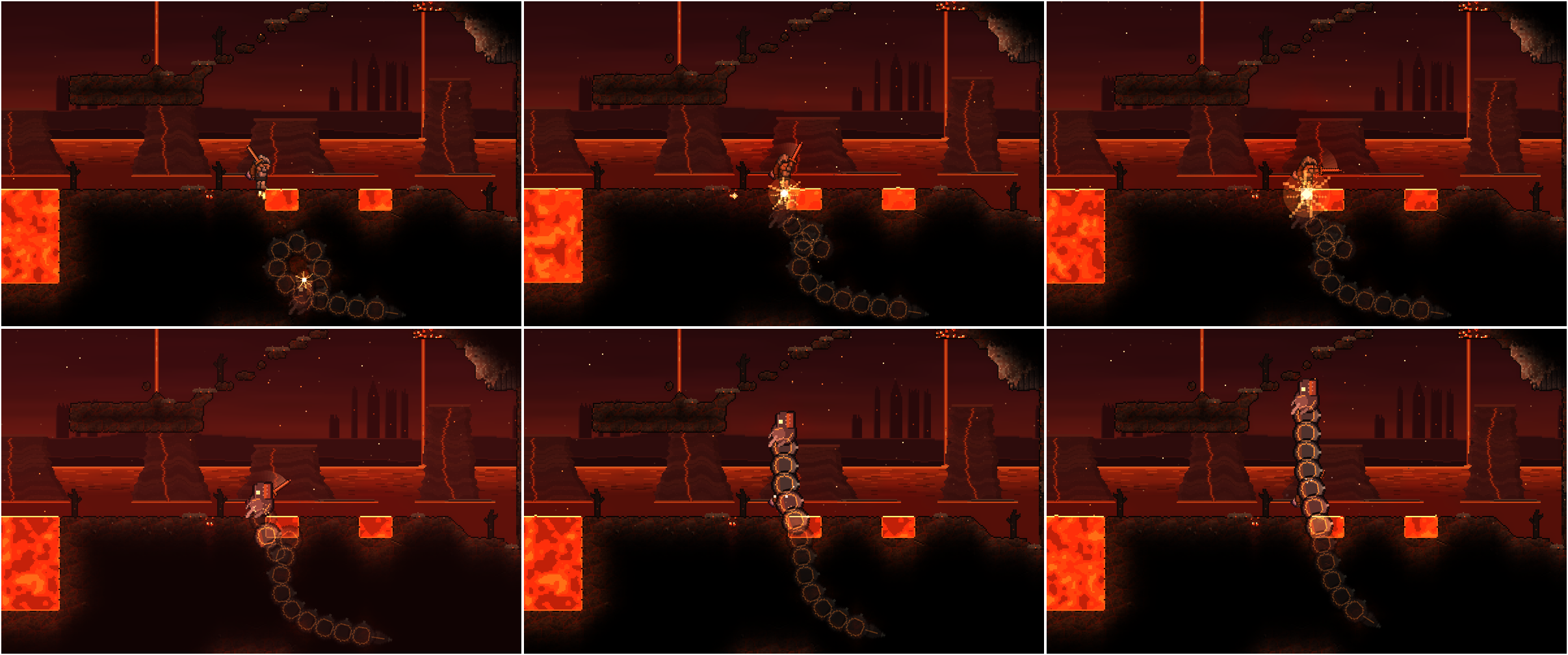
What I see
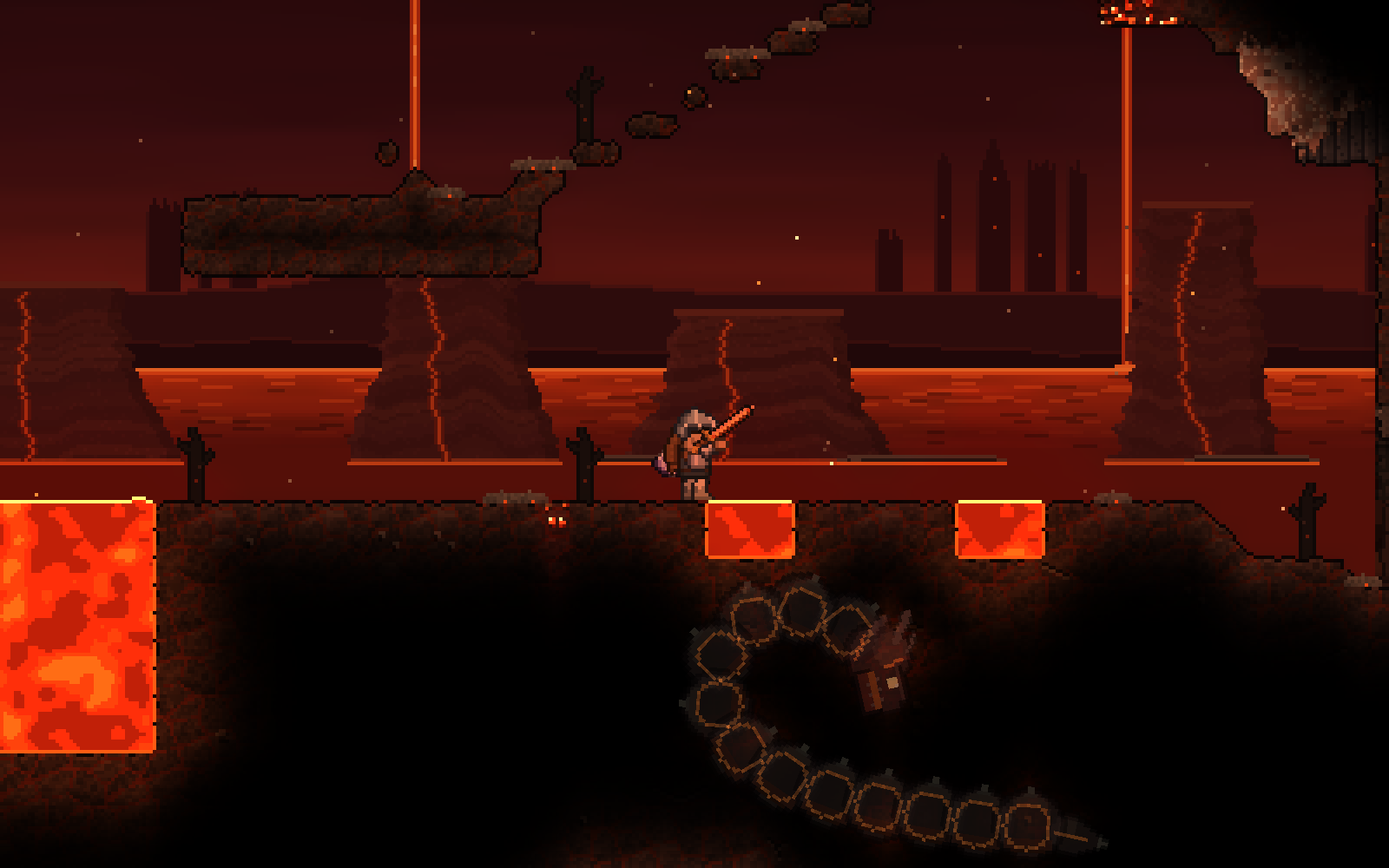
In the first screenshot of Burrow, an agent saw dark squares behind the treetops, and it fixed two lighting bugs before its first commit.
In my earlier games I ended up building tools to make the music. Studio is one of those tools, a music program pulled out into a project of its own the week before I started Burrow. An agent writes a song as a file and renders it, and I can open the same file in Studio and play it. My son and I also use it to practice piano.
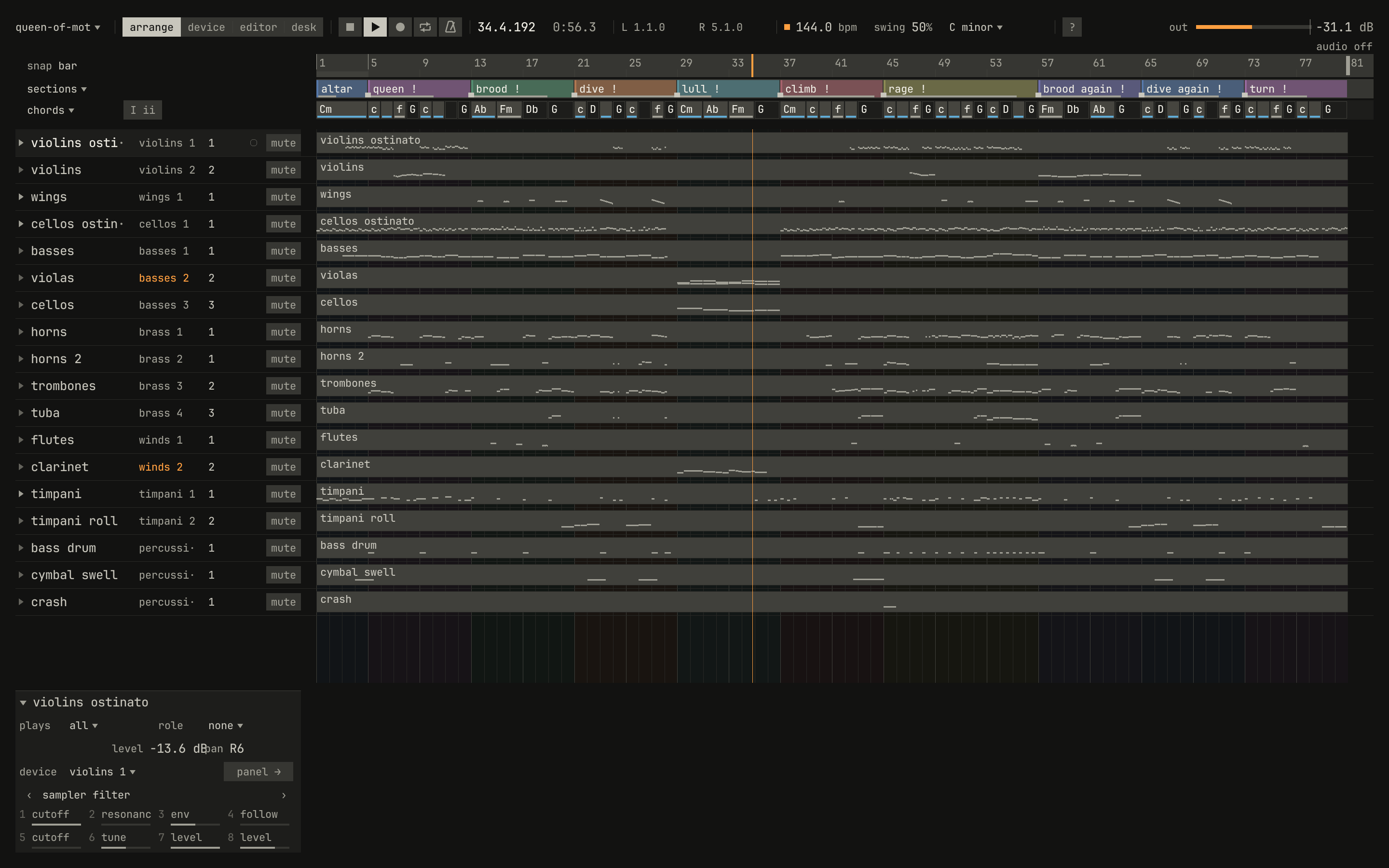
0:00 / 2:13
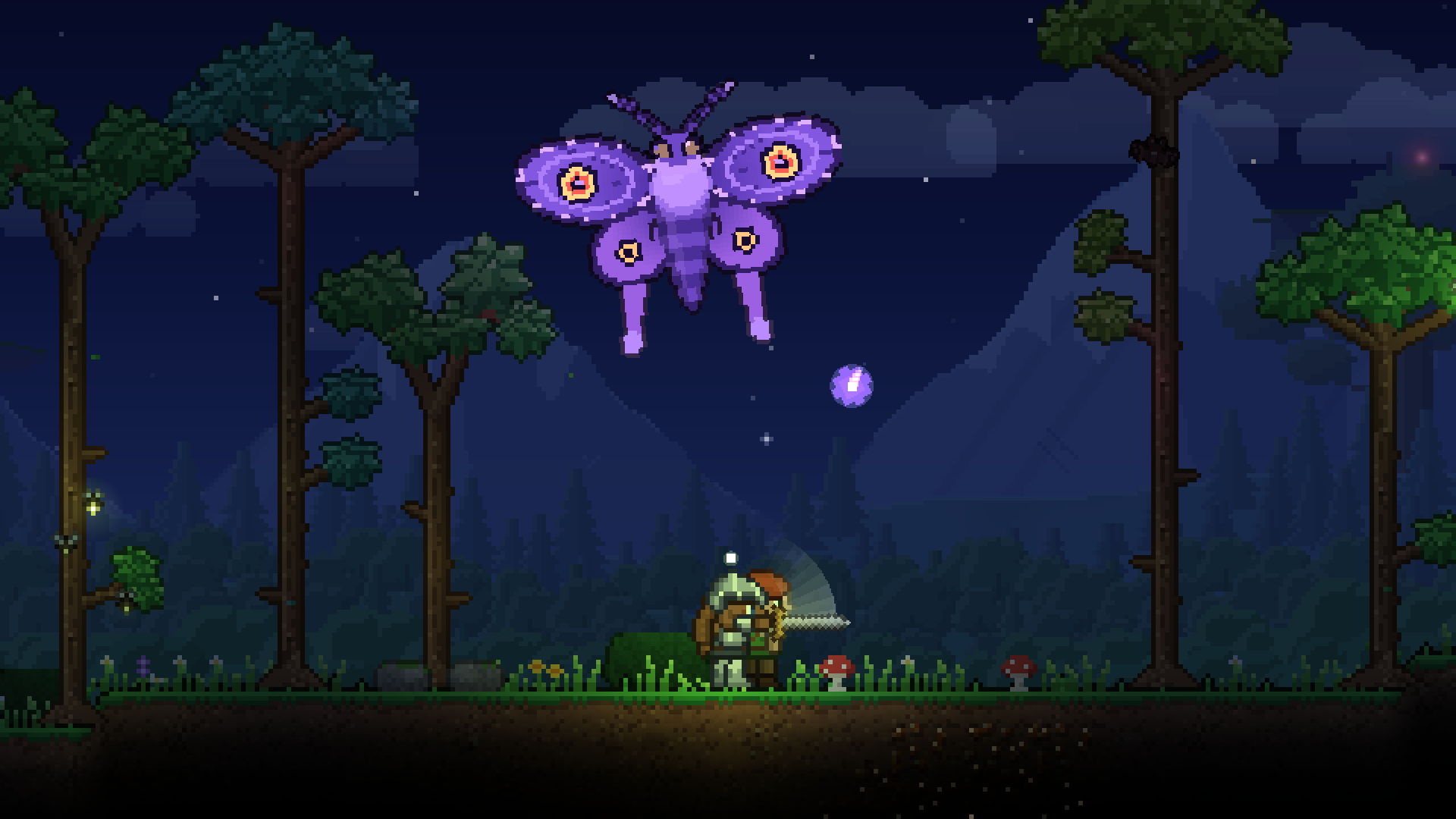
Queen of Moths
My son kept complaining about the first soundtrack, which was all synths in an 8‑bit style, so I restarted the score from scratch with mostly orchestral instruments. Then I missed the 8‑bit sound, so two of the pieces that play at home also have an 8‑bit version.
The score
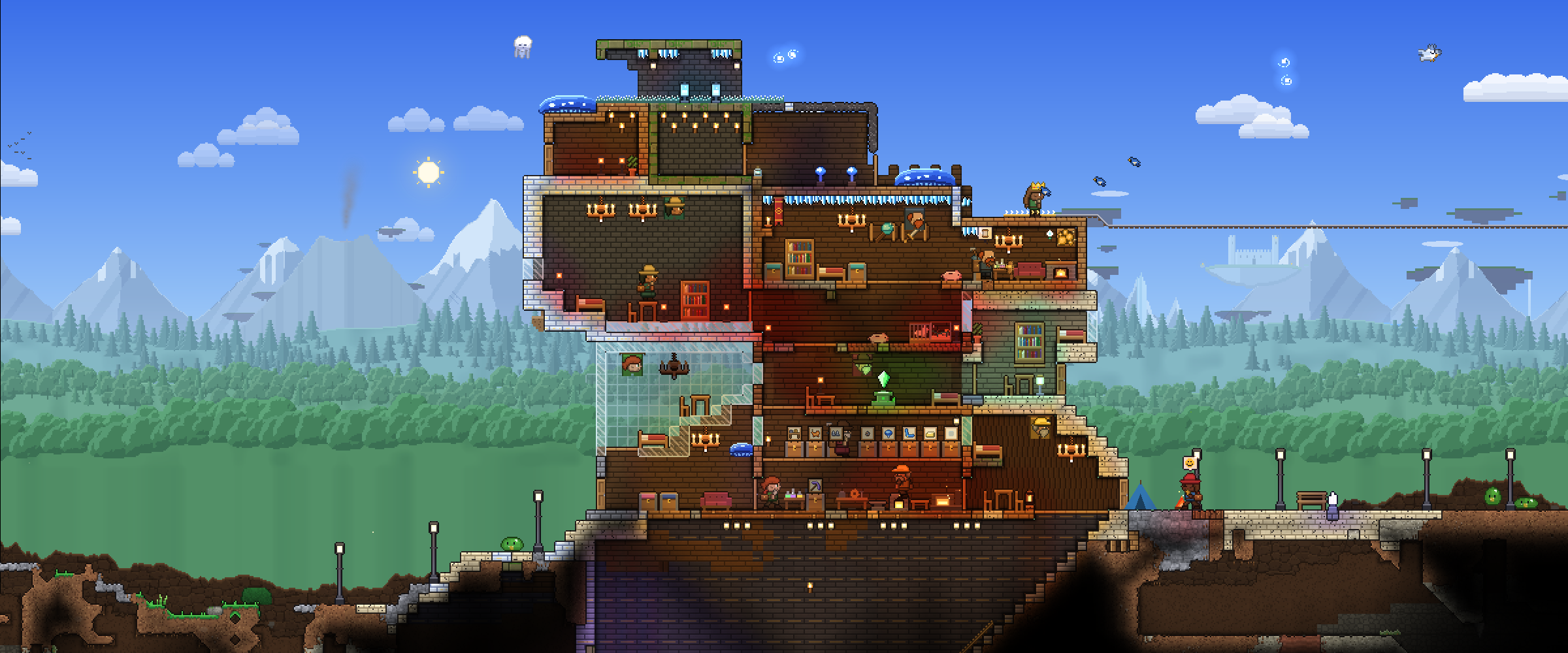
Home
Plays near the player’s home, by day or by night.
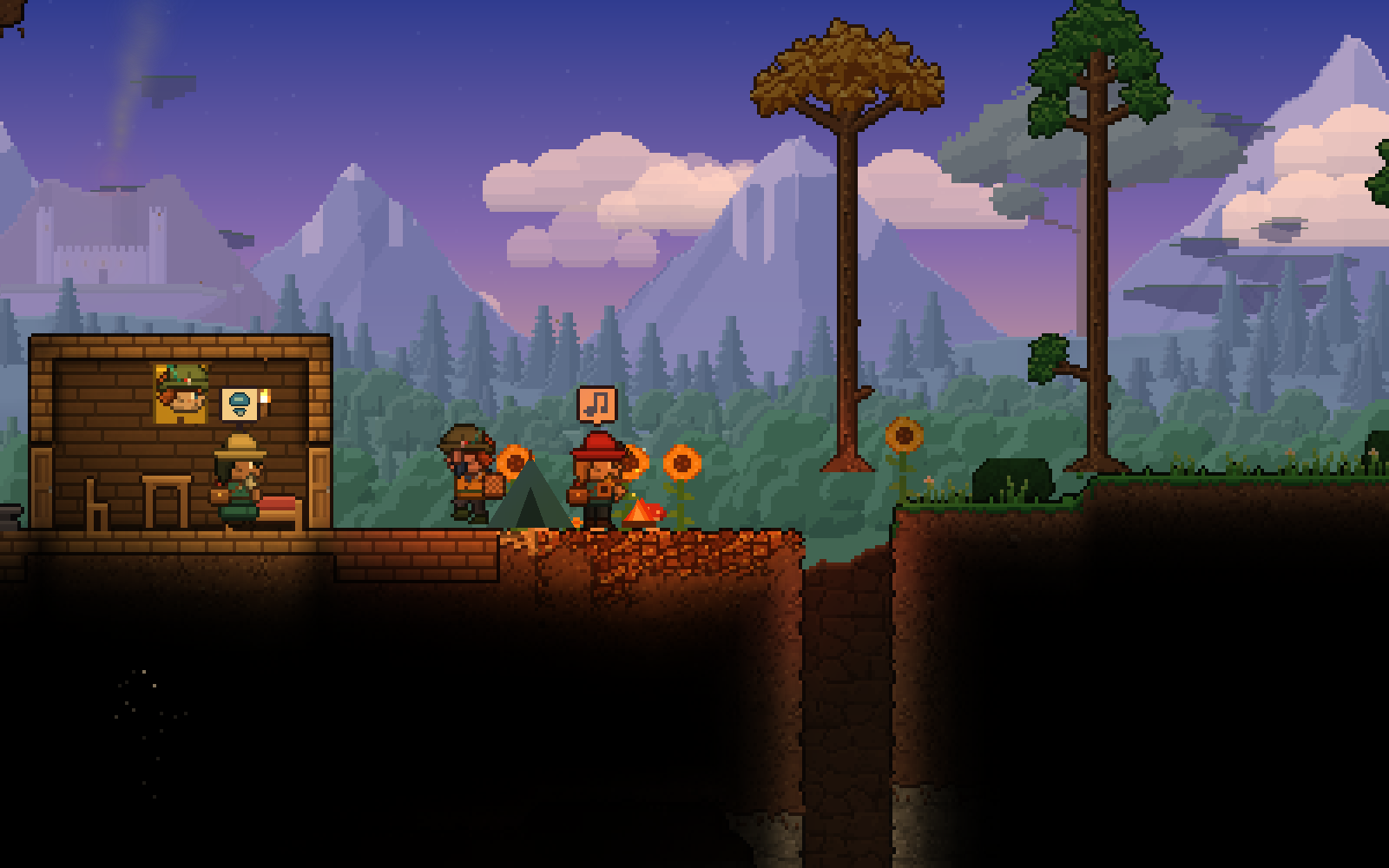
The bard’s dance
Plays while the town dances round a visiting bard’s fire, for players within about 30 tiles of it.
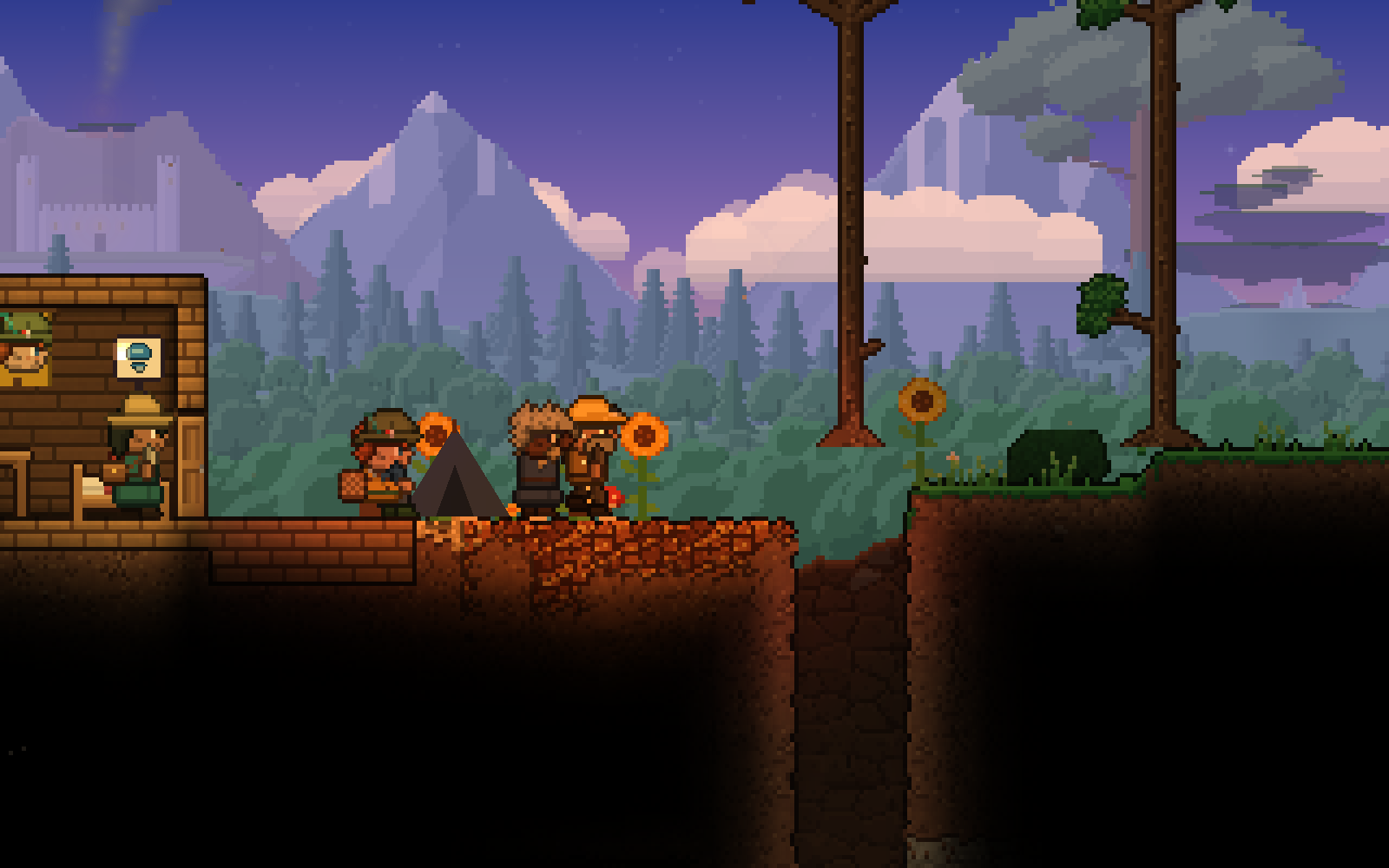
A visitor’s fire
Plays on an evening when the town gathers round the fire of a visiting storyteller, cook, or explorer, for players within about 30 tiles of it.
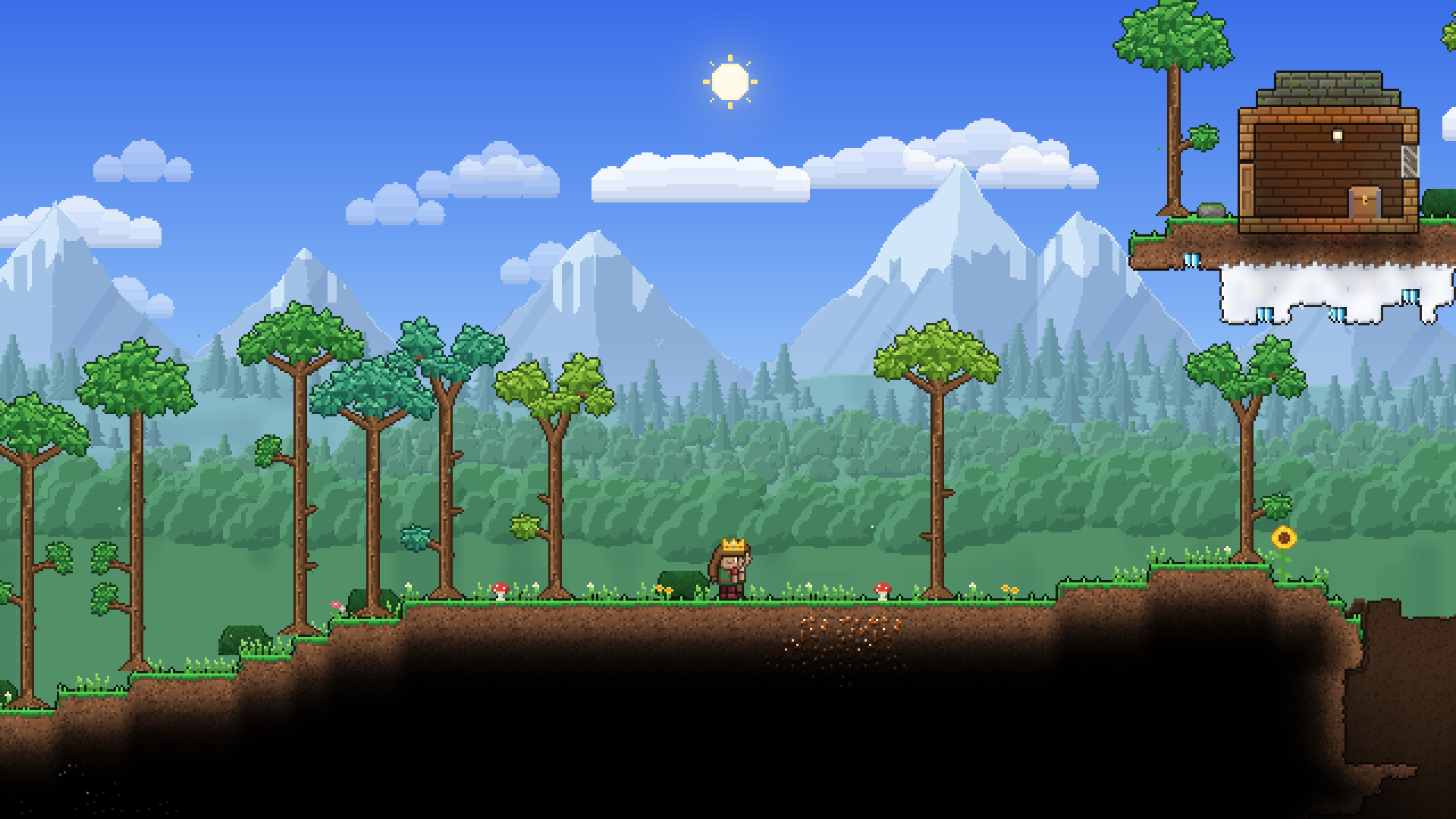
The forest by day
Plays in the forest by day.
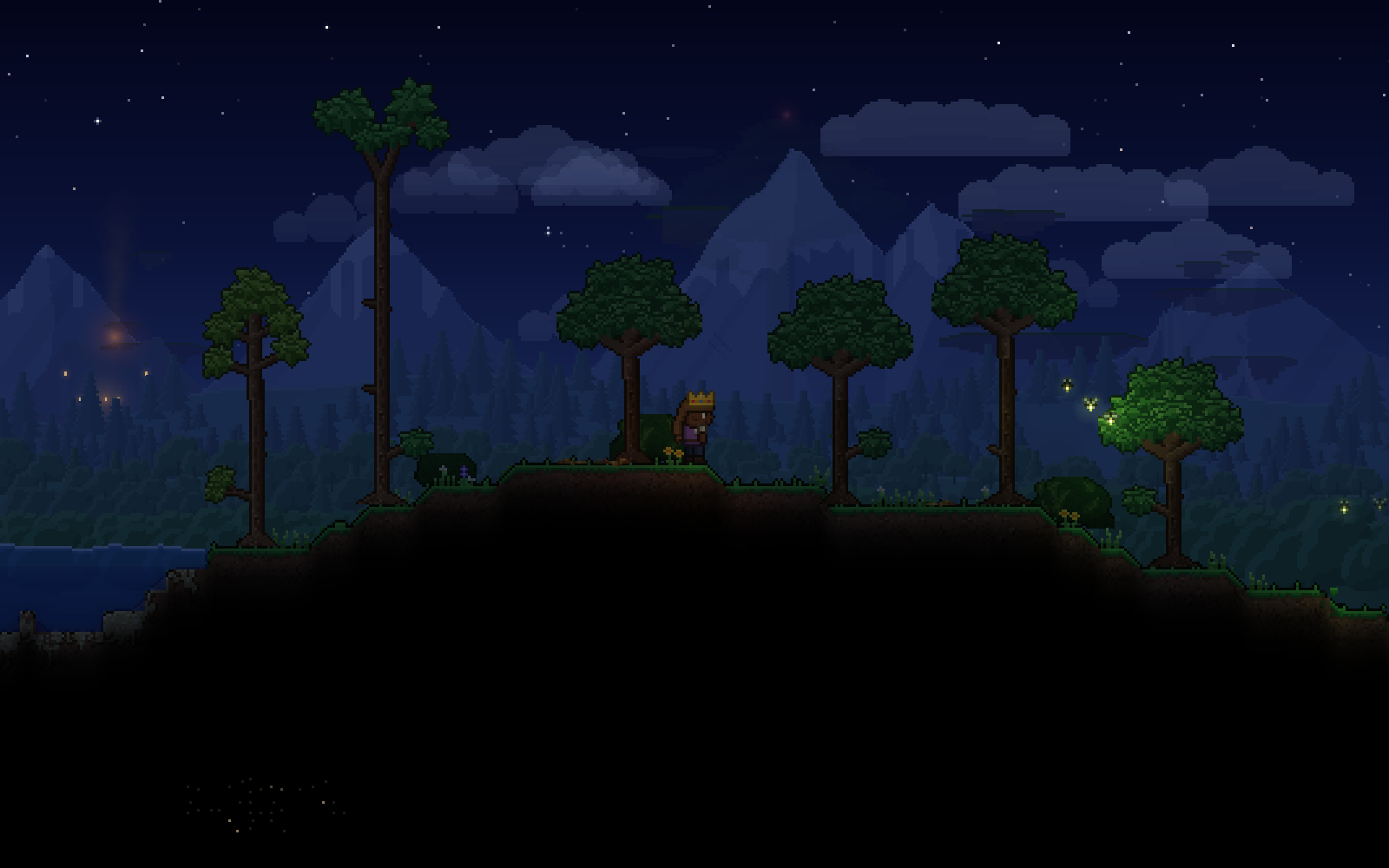
The surface at night
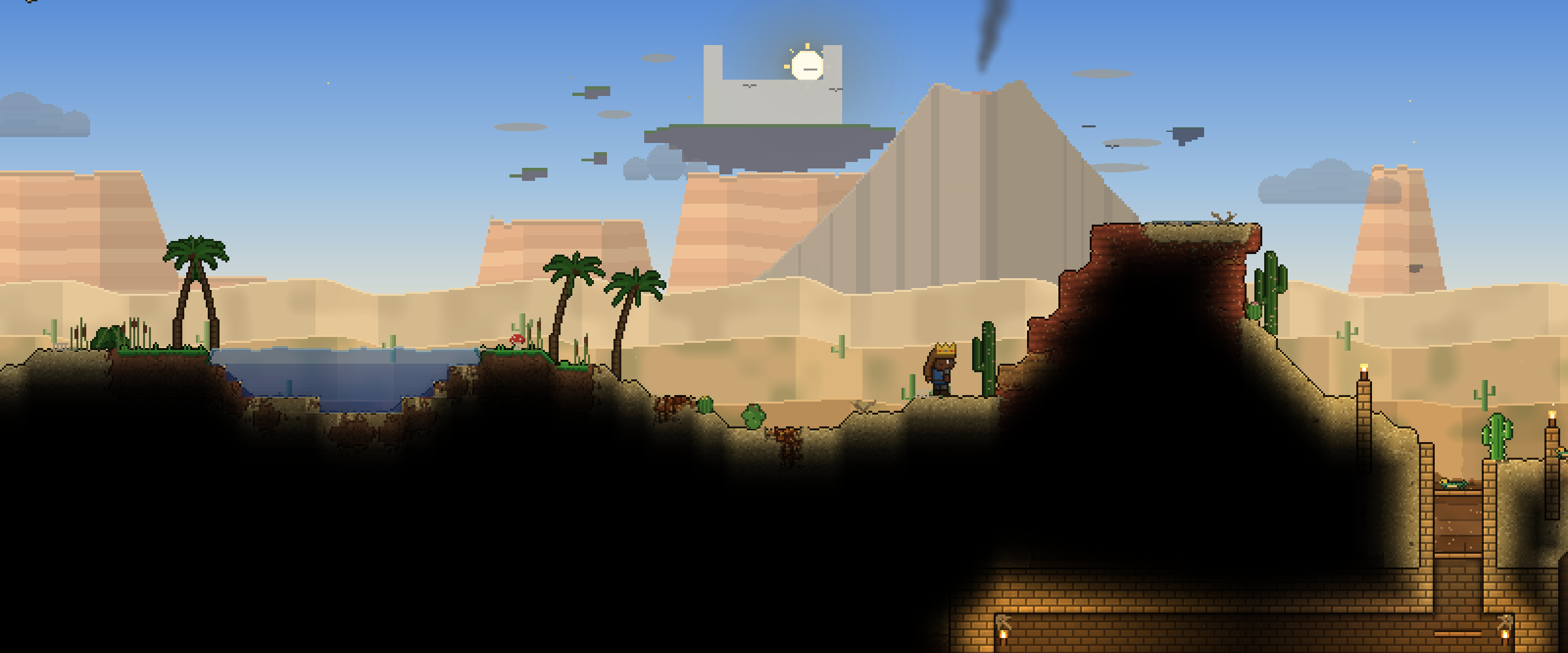
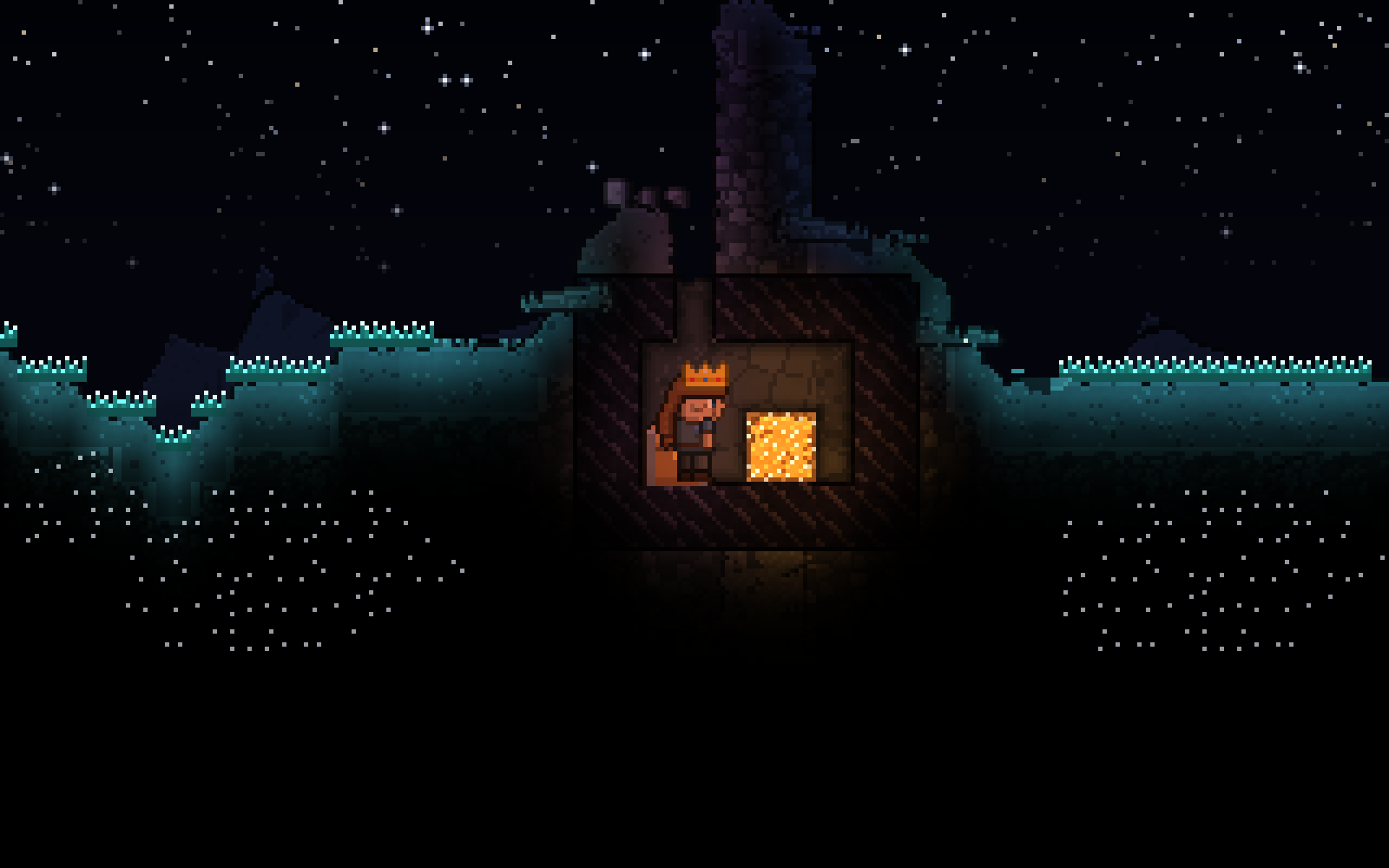
Plays after dark away from home in the forest, the Frozen Reach, the Dunes, and the dry canyon, on the shore and the crossing, and on the Ember Moon itself, which borrows it.
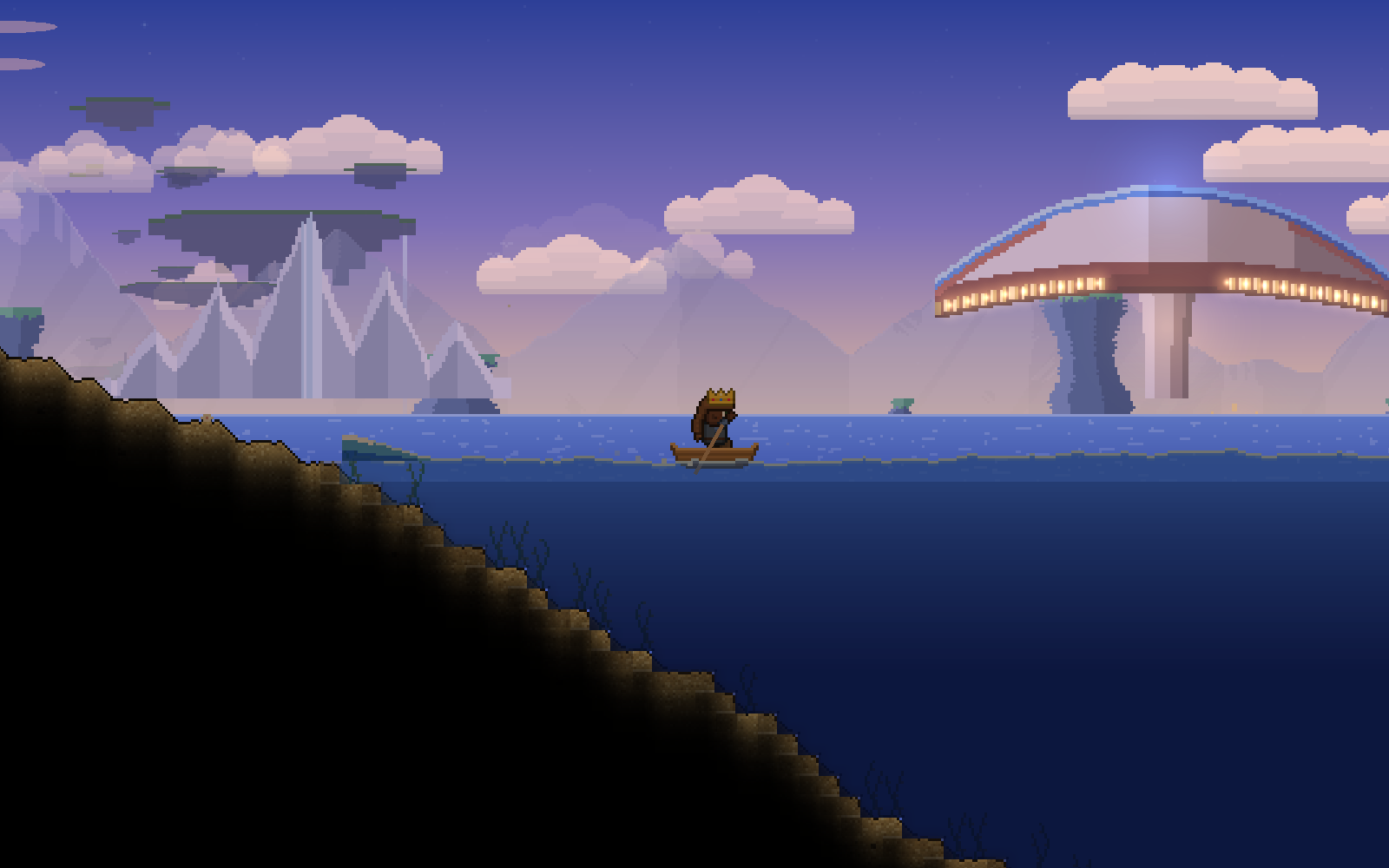
The Shore
Plays on the shore and out on the crossing, by day.
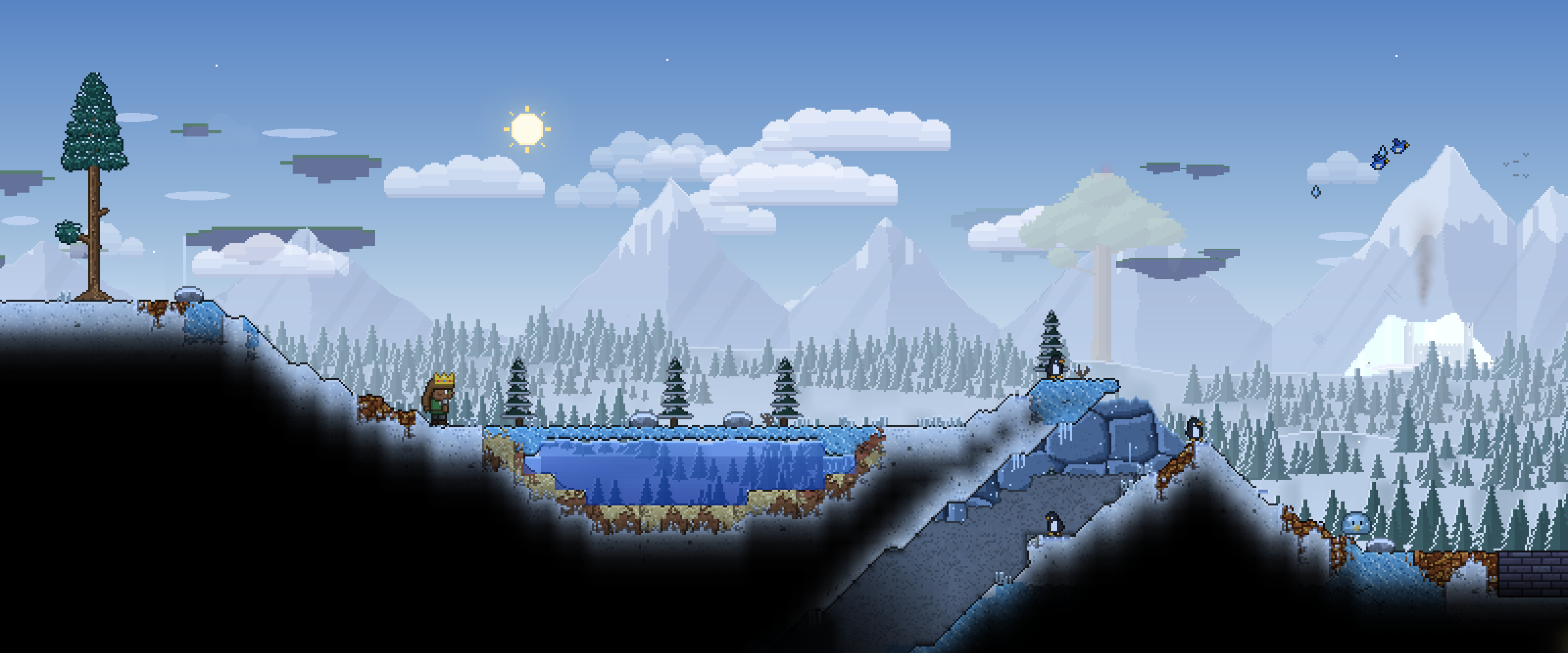
The Frozen Reach
Plays in the Frozen Reach by day, and in the ice caves under it.
The Dunes
Plays in the Dunes by day, and in the Buried Sands under them.
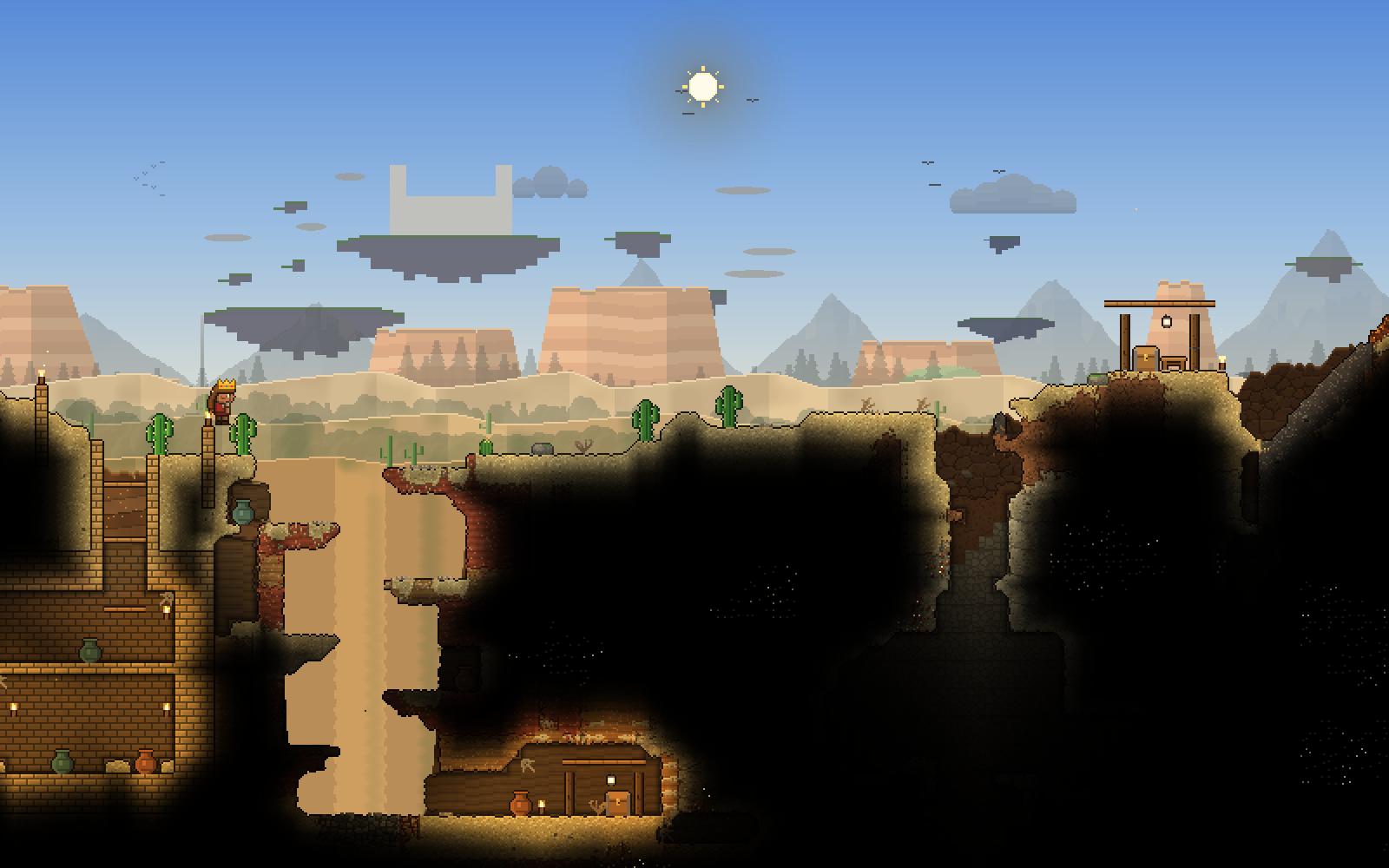
The dry canyon
Plays in the dry canyon’s gorge, from its rim to its floor, by day.
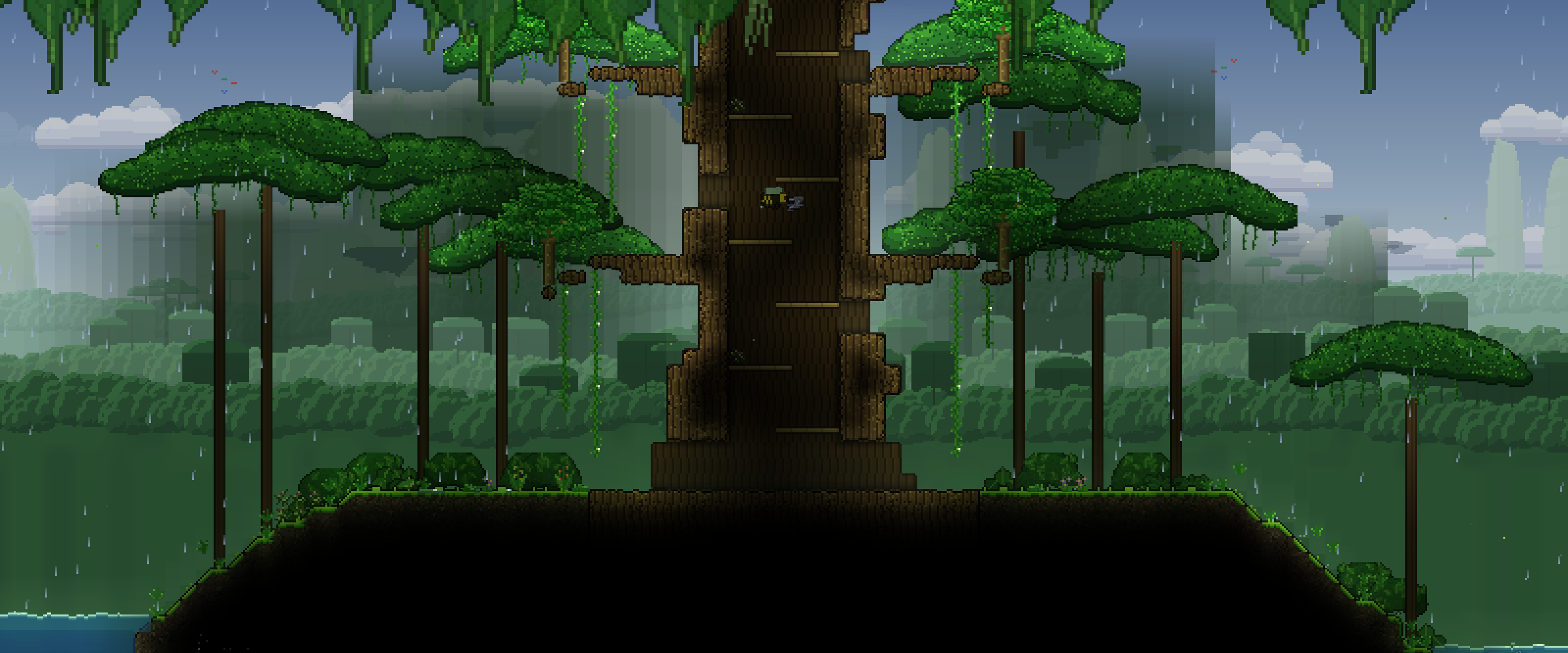
The Tangle
Plays in the Tangle and the Strangler Fig, by day or by night.
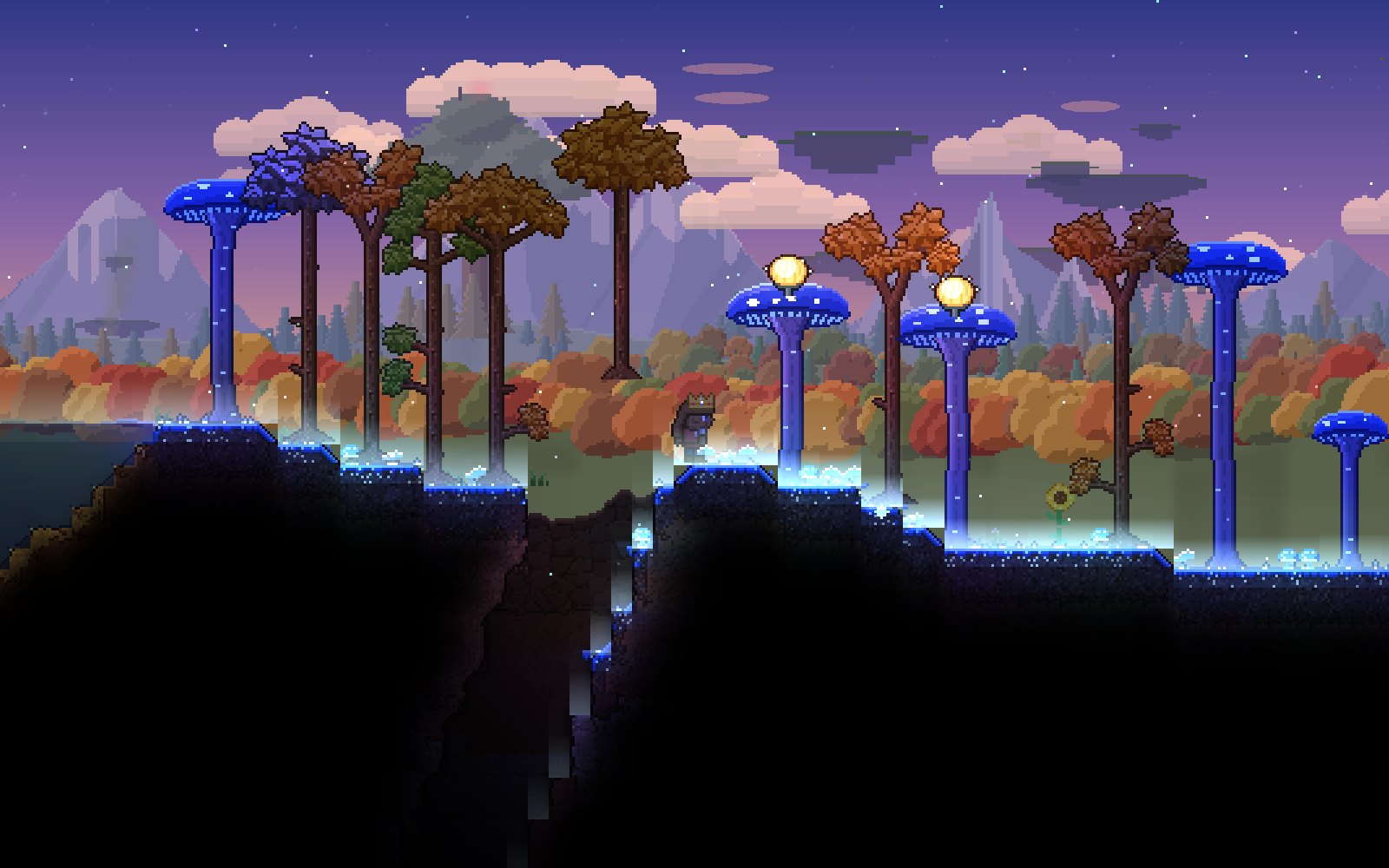
The Lantern Wood
Plays in the Lantern Wood, on the surface over the Glowshroom Hollows, by day or by night.
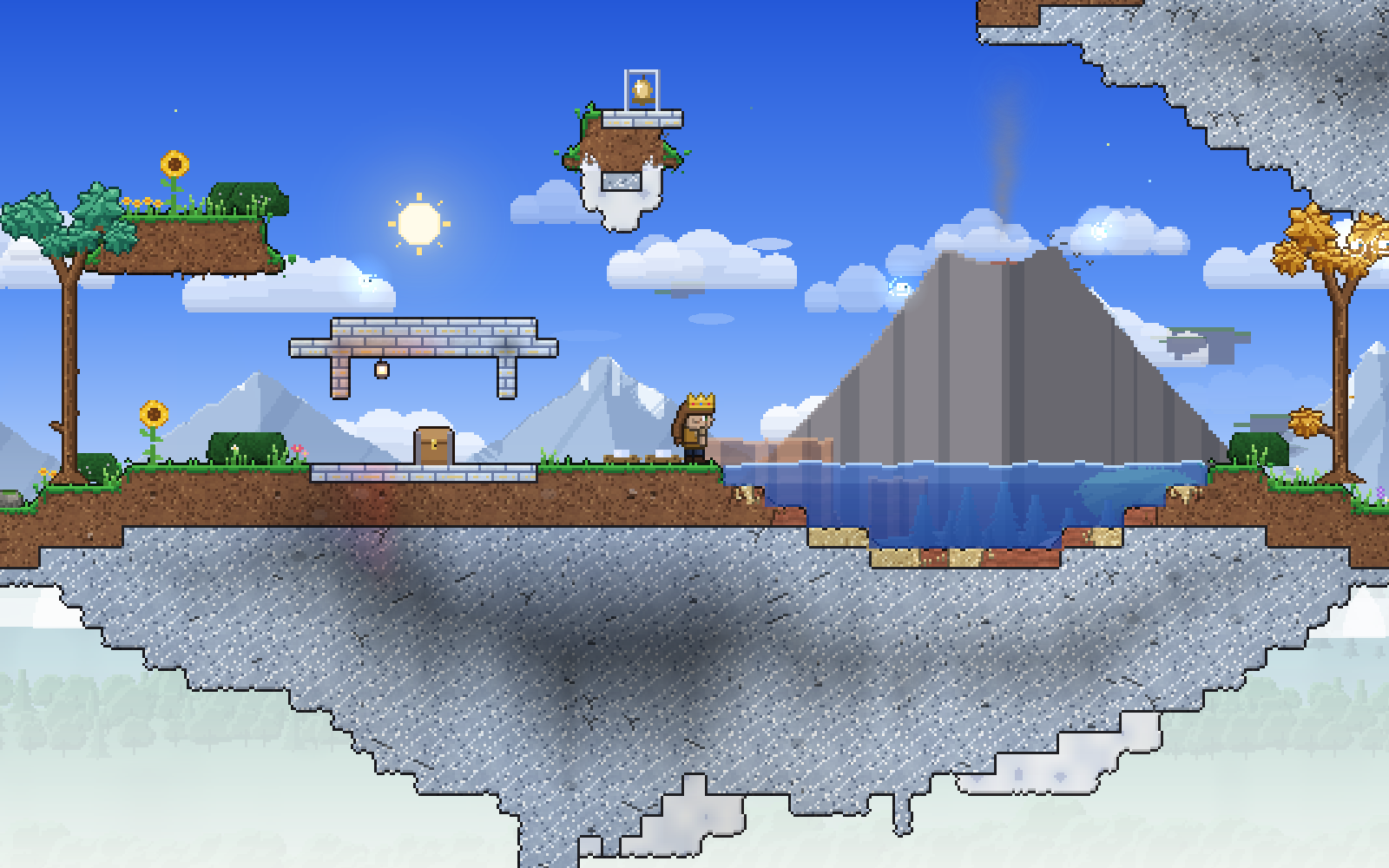
The Sky Isles
Plays on the Sky Isles by day.
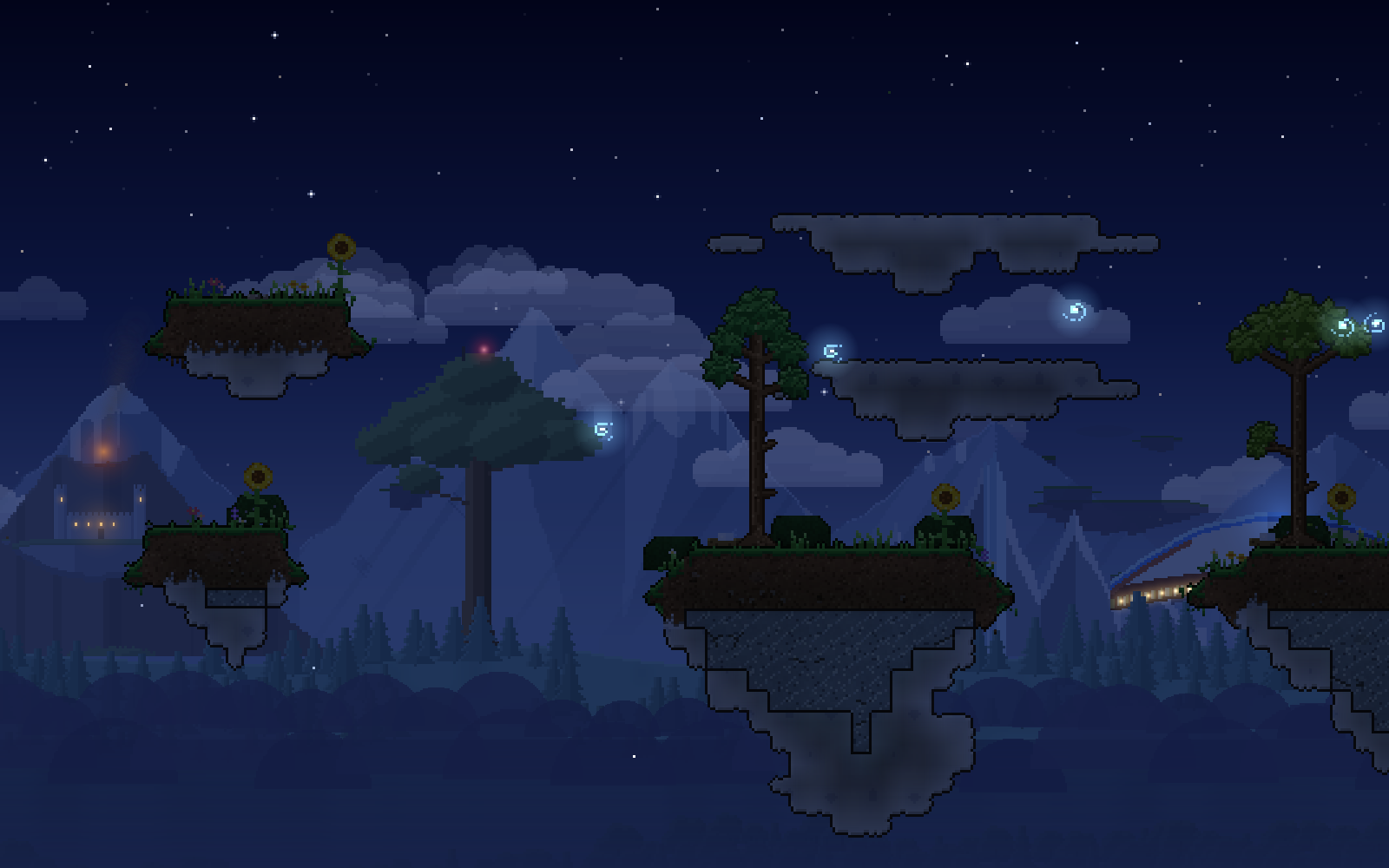
The sea of cloud
Plays on the Sky Isles at night, over the sea of cloud.
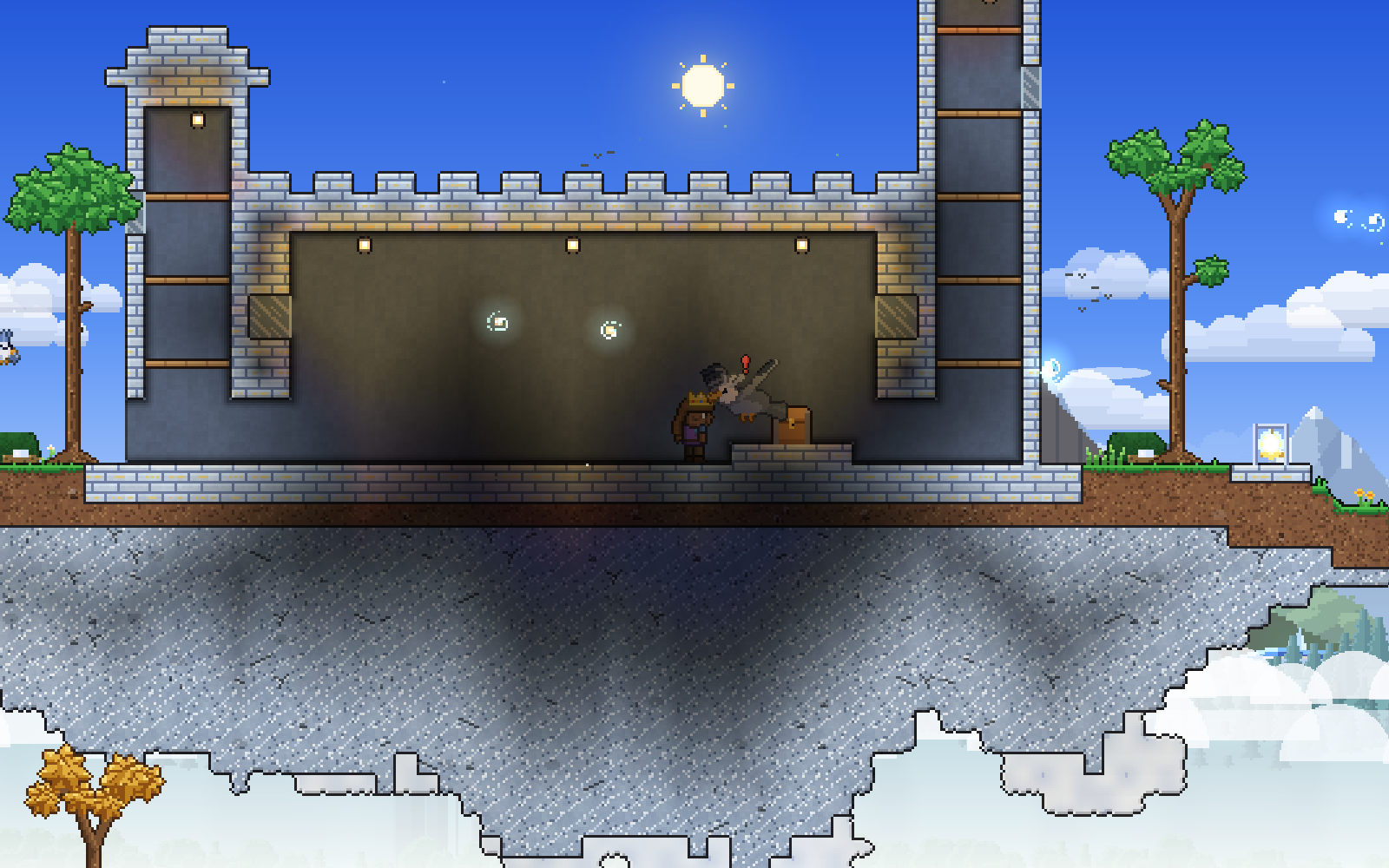
The Wind Keep
Plays inside the Wind Keep, from its towers’ tops down to its floor, by day or by night.
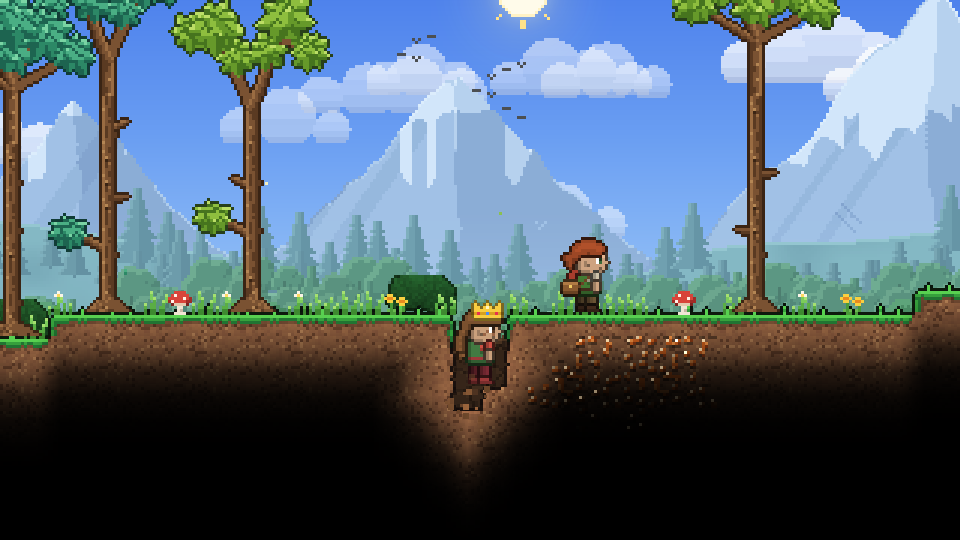
Underground
Plays in the caves, caverns, and cabins under the surface, and in the Overgrown Deep under the Tangle.
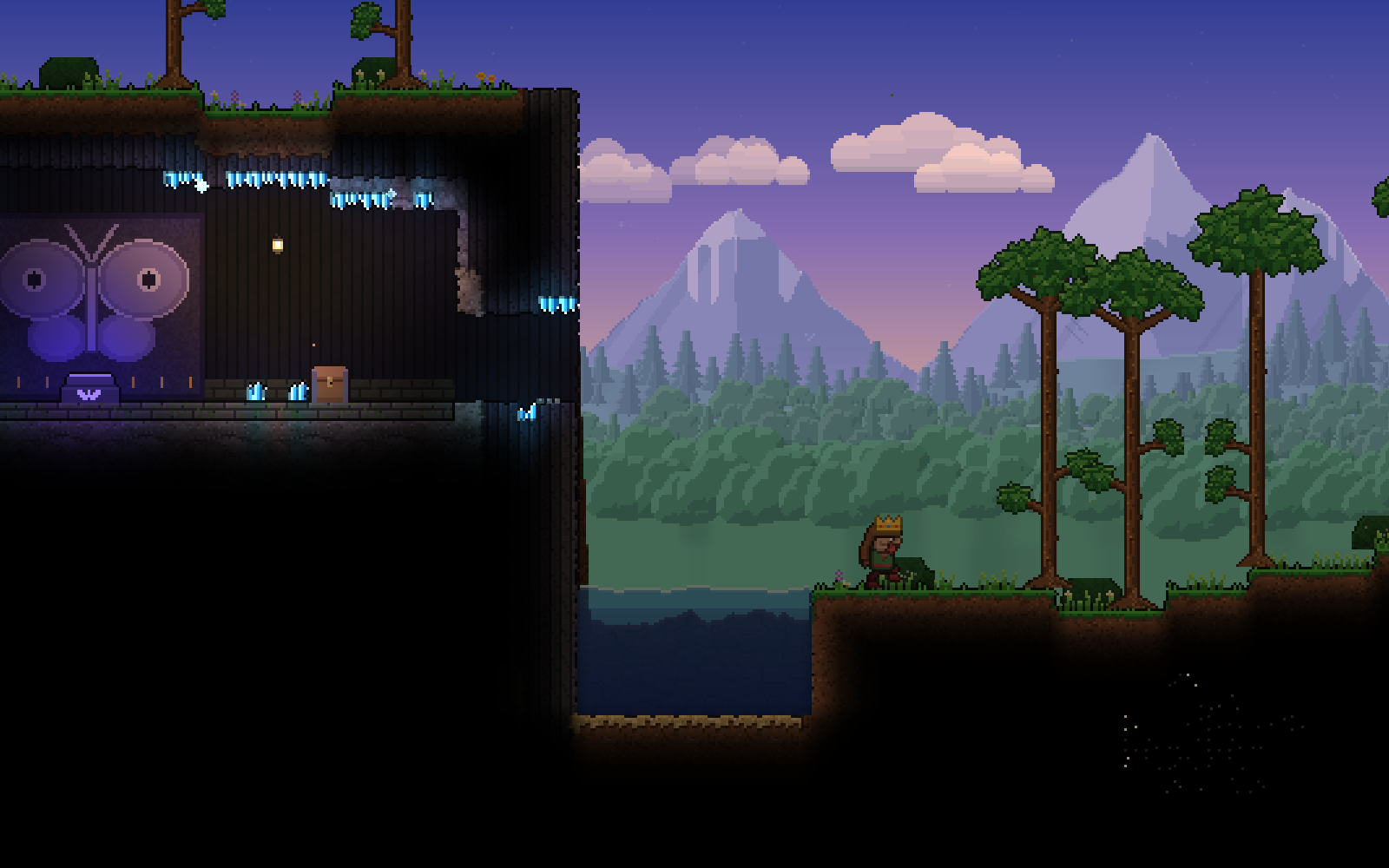
Lantern Grotto
Plays in Lantern Grotto and the Deep Hollow.
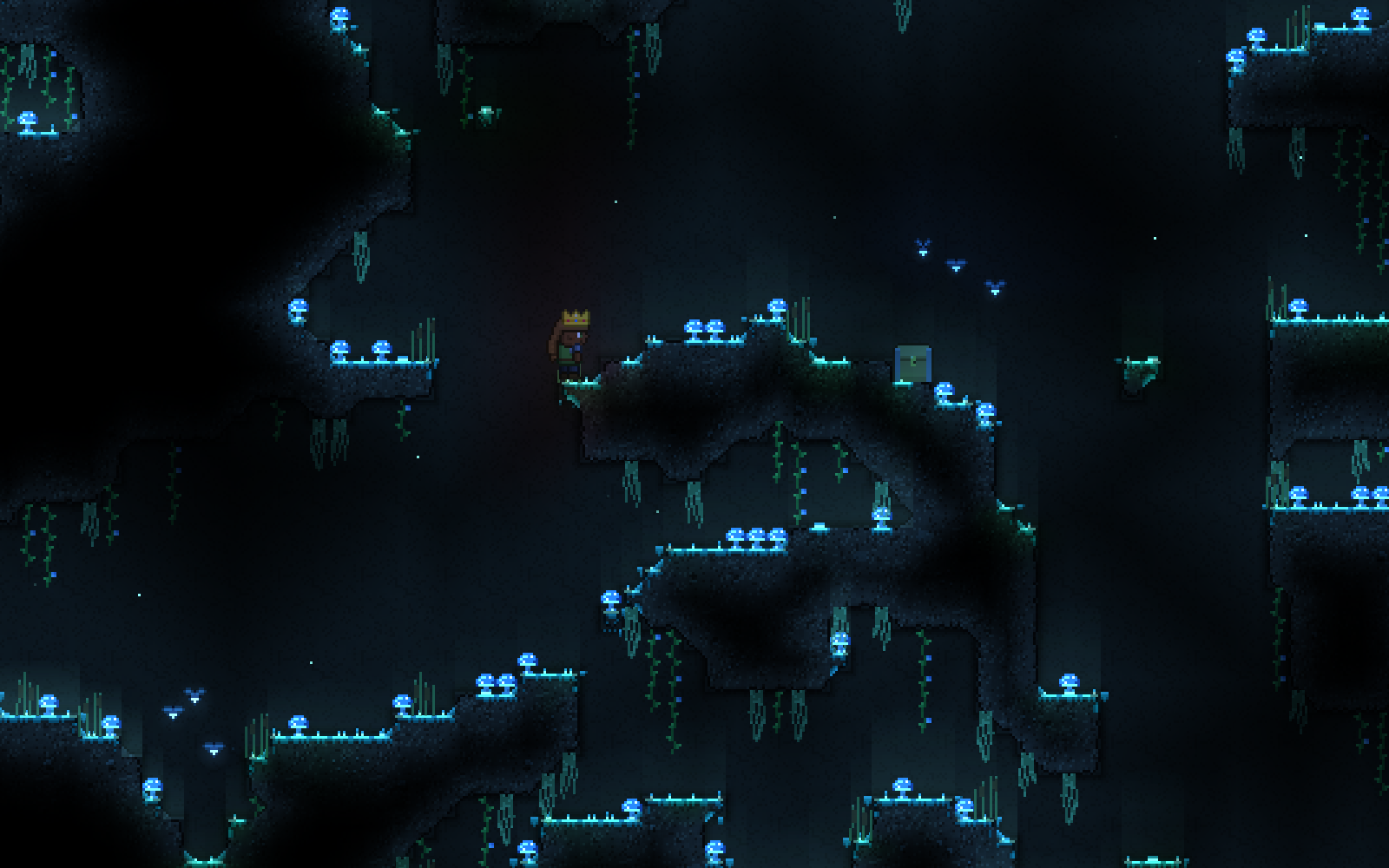
The Glowcap Marsh
Plays in the Glowcap Marsh.
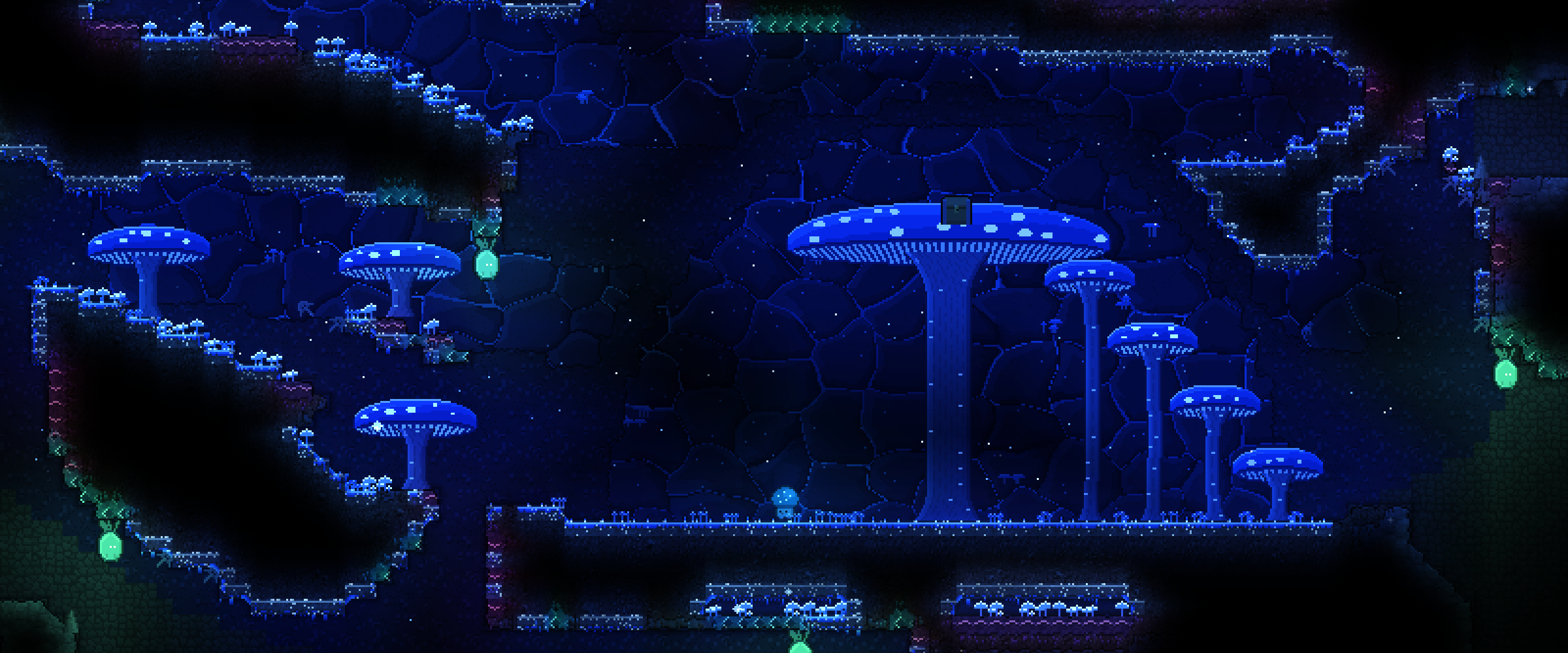
The Glowshroom Hollows
Plays in the Glowshroom Hollows and the Elder Cap, and on the far shore in its caves and the Mother Cap’s hall.
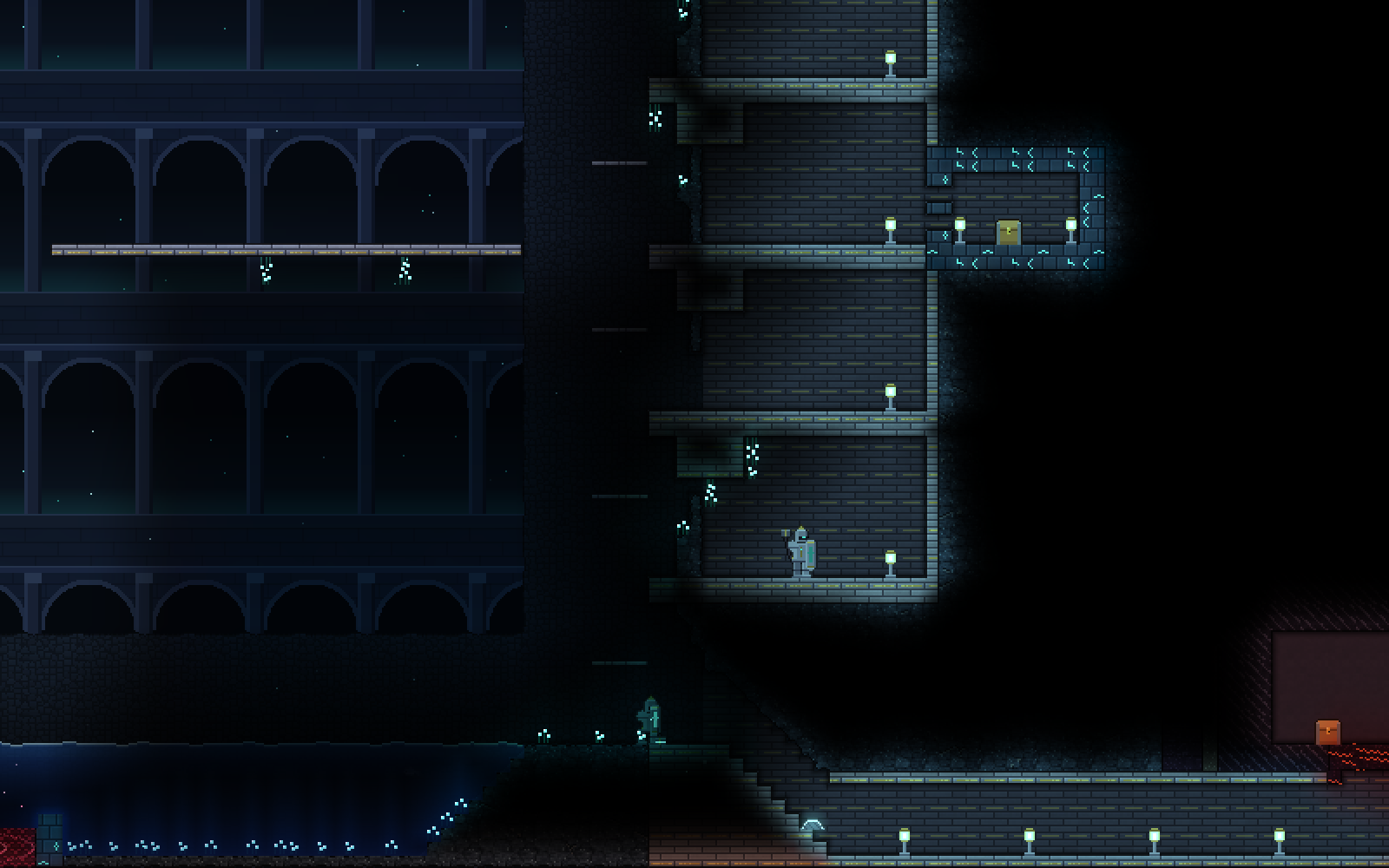
The Sunken Halls
Plays in the Sunken Halls.
The Ashen Depths
Plays in the Ashen Depths, the Wyrm’s Burrow, the Cinder Forge, and the Ember Stair, and under the ground of the Ember Moon itself, which borrows it.
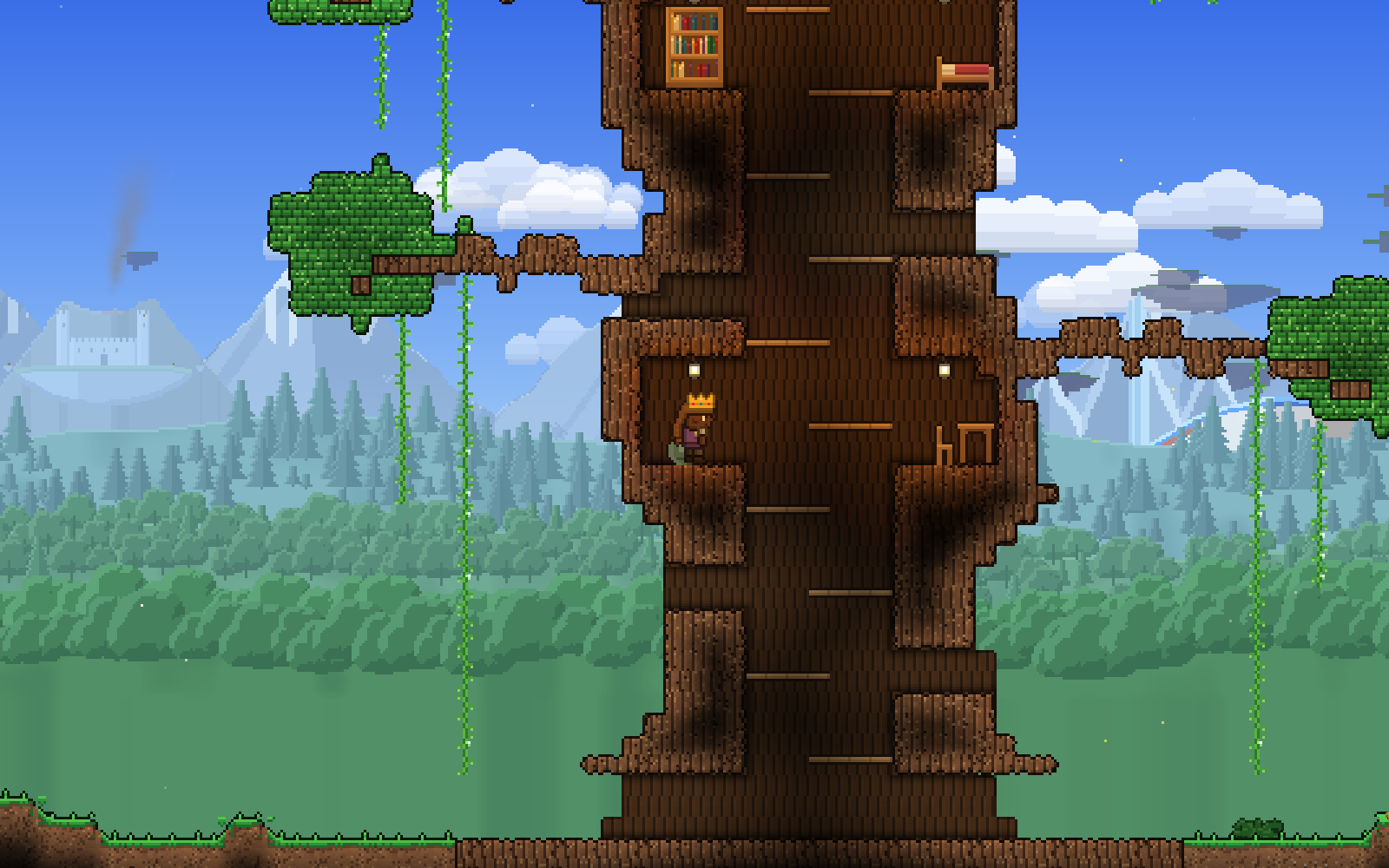
The Great Tree
Plays inside the Great Tree, from its hollow trunk to its lookout, by day or by night.
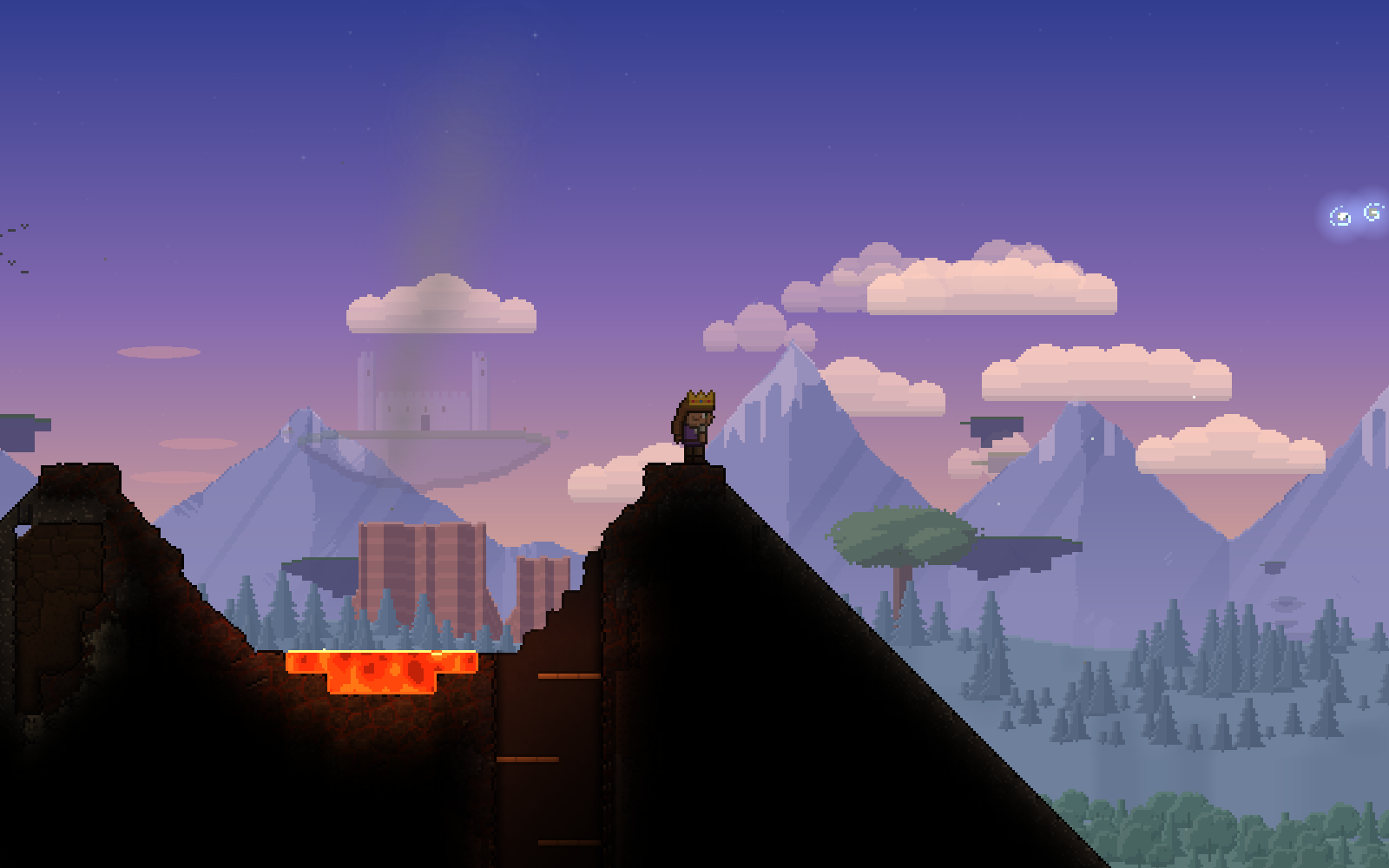
The Smoking Mountain
Plays in the Smoking Mountain’s crater, down its vent, and in the chamber in its heart, and by day on the Ember Moon itself, which borrows it.
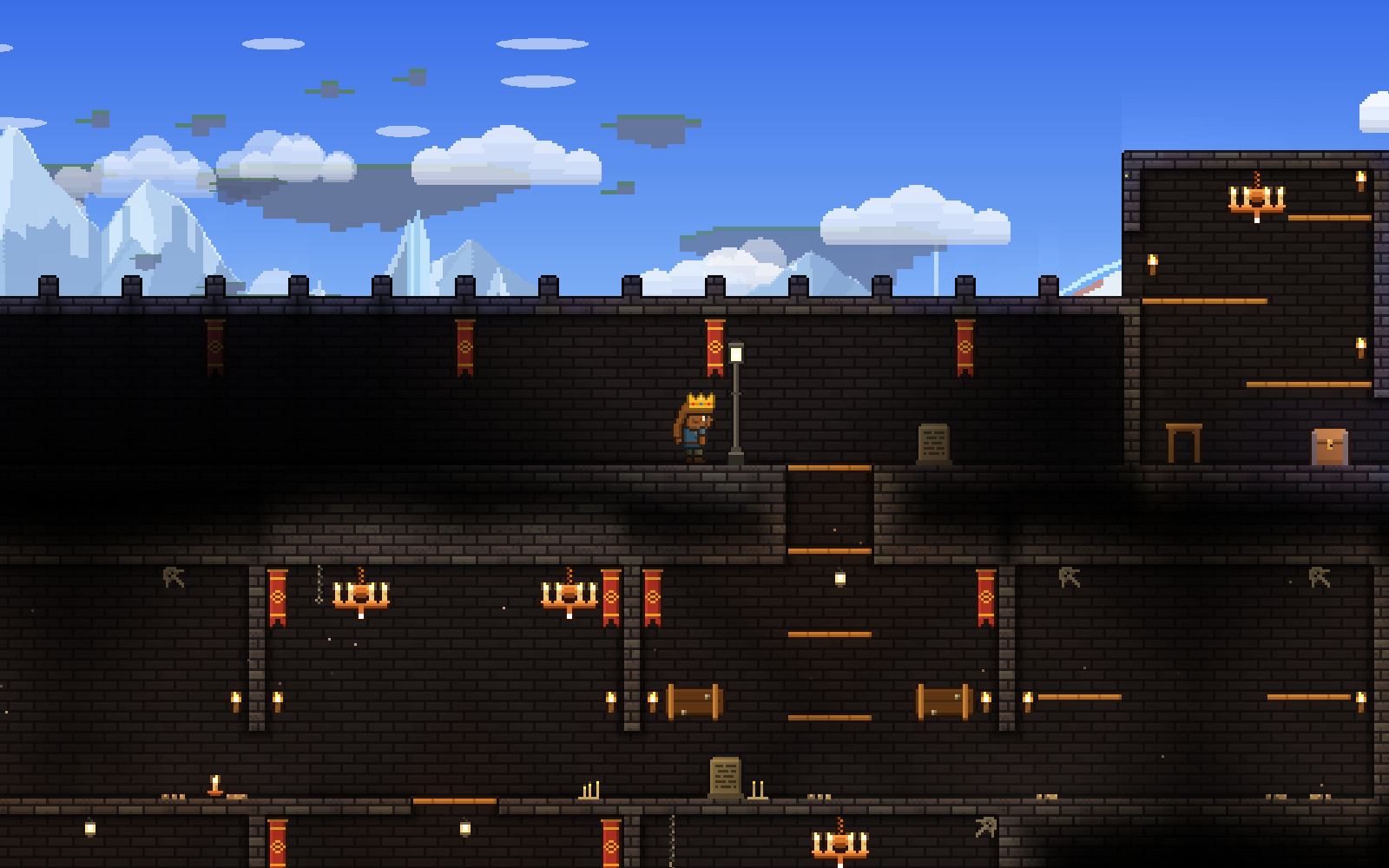
Ravenhold
Plays inside Ravenhold, from its tower’s top to its throne hall, by day or by night.
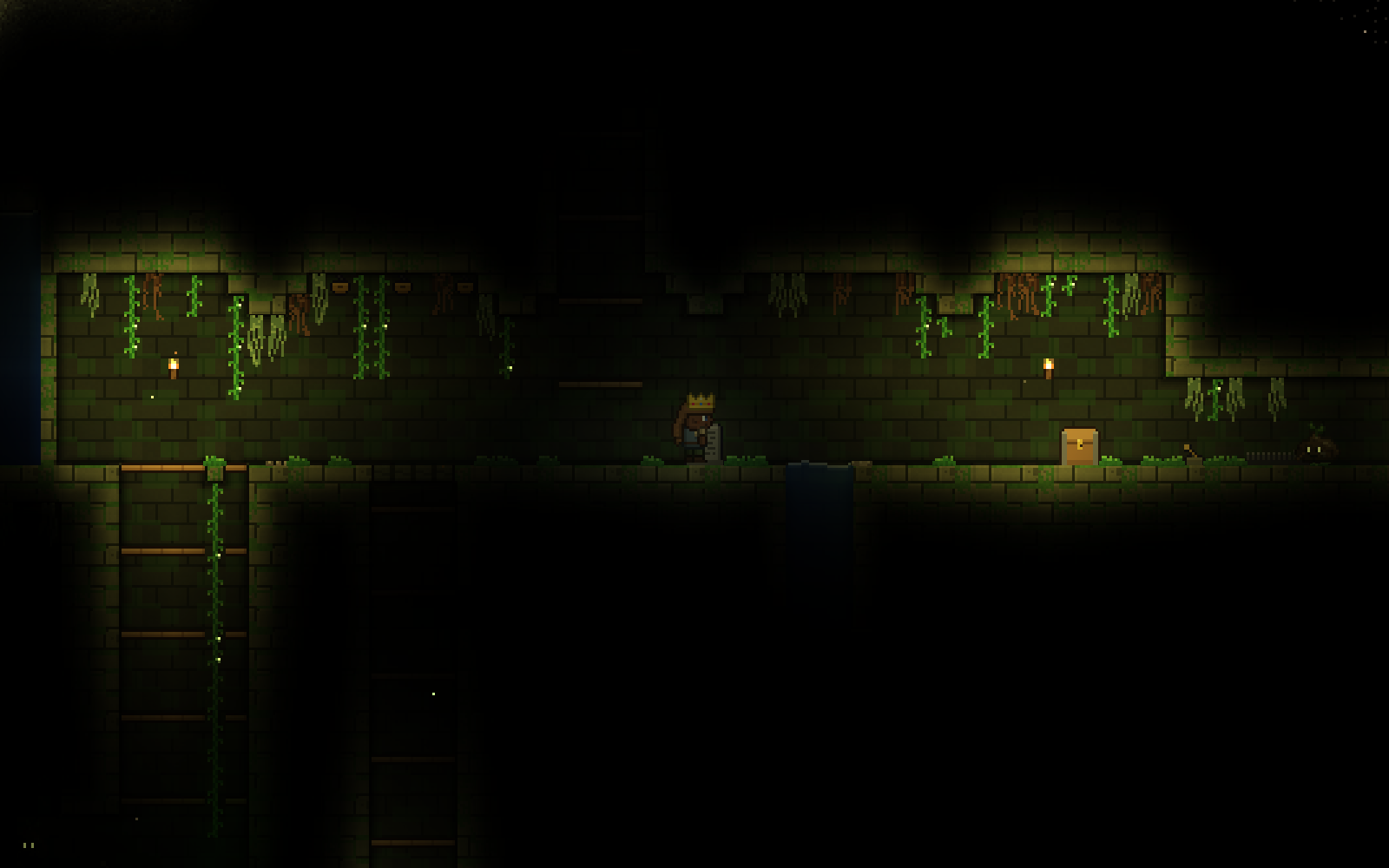
The Sunken Temple
Plays inside the Sunken Temple, down its shaft and in its rooms, by day or by night.
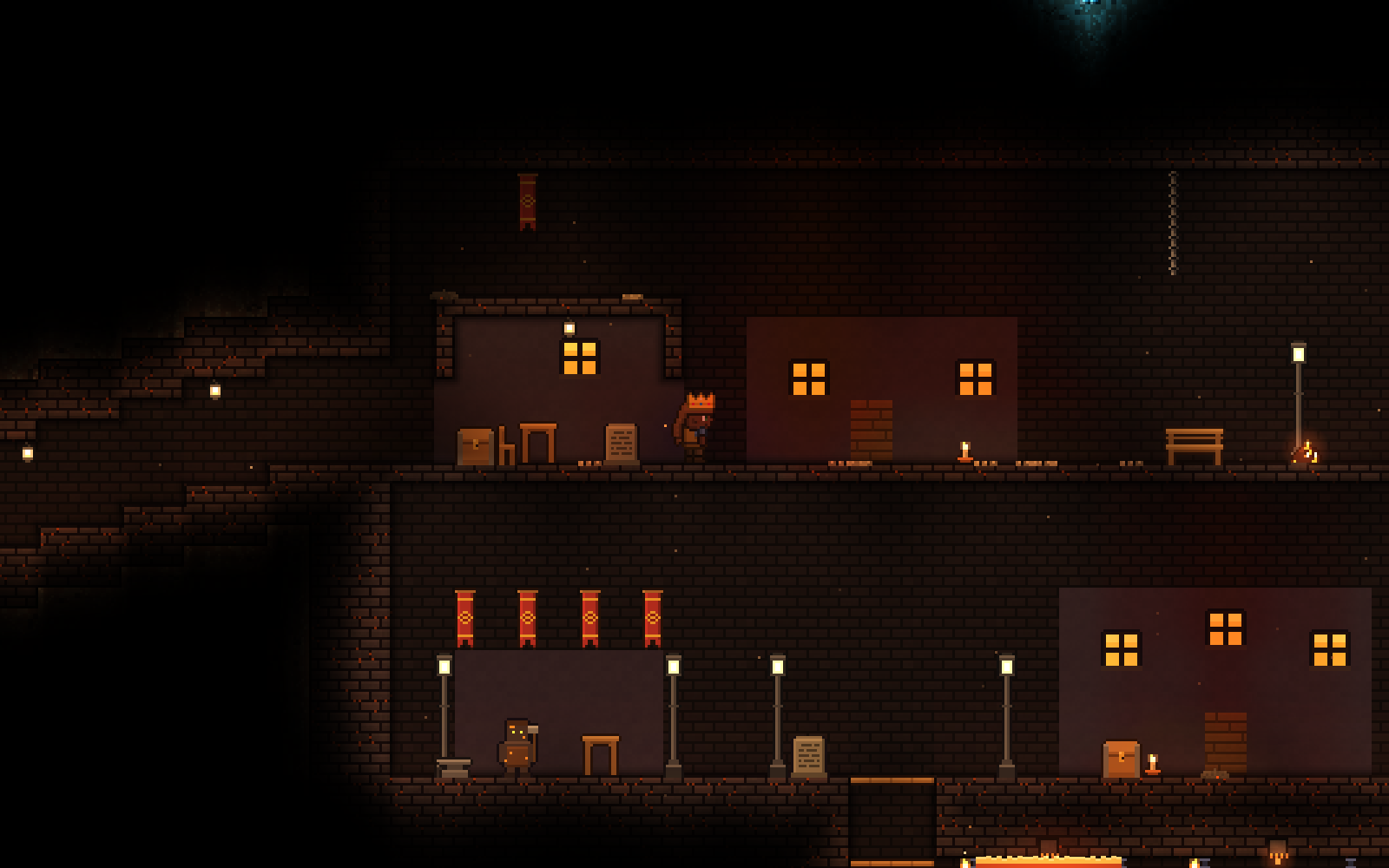
The Underworld City
Plays inside the Underworld City: its gate ward, the lava lock, the forge ward, and the caldera.
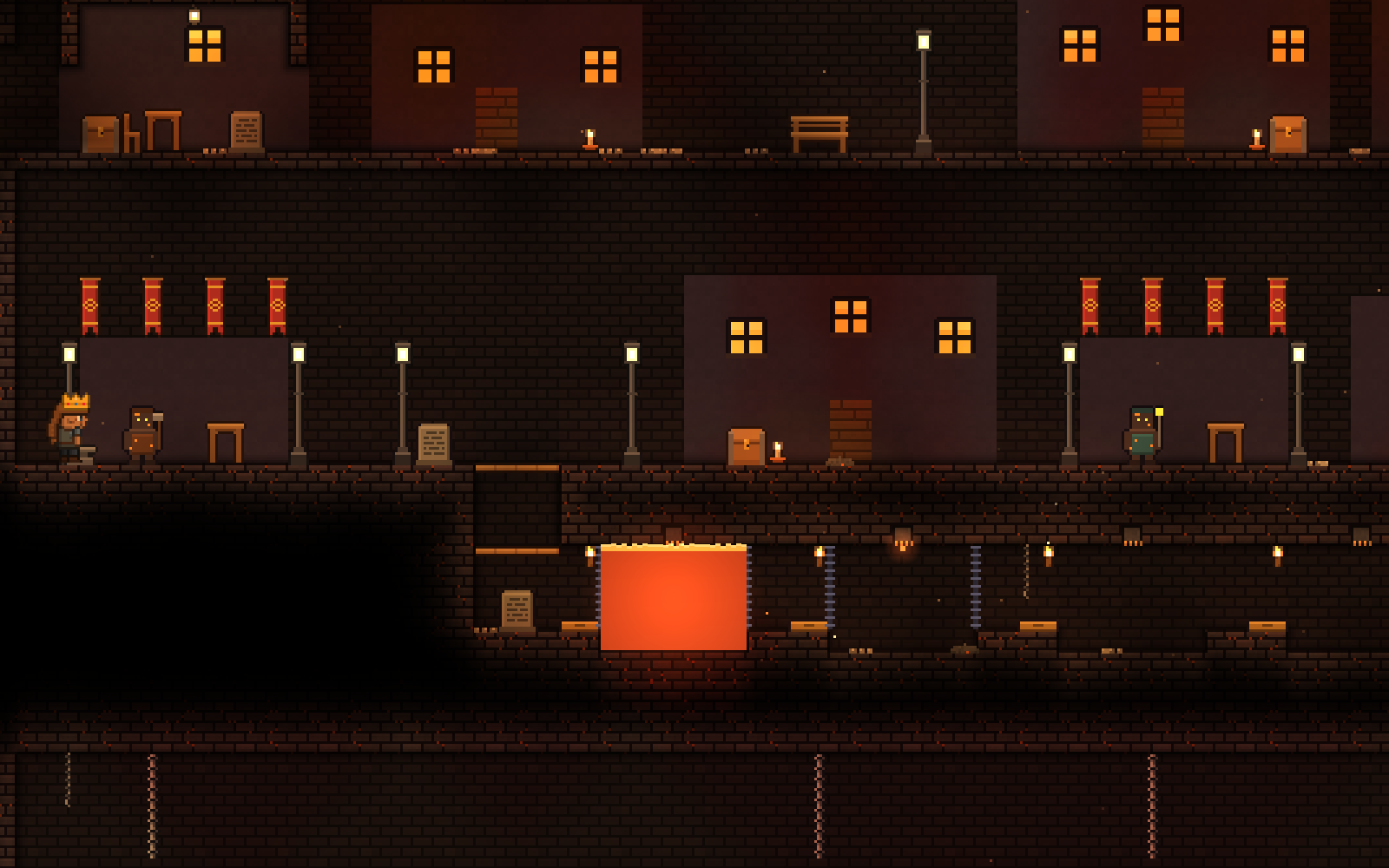
The market ward
Plays in the Underworld City’s market ward, among the cinderfolk’s stalls.
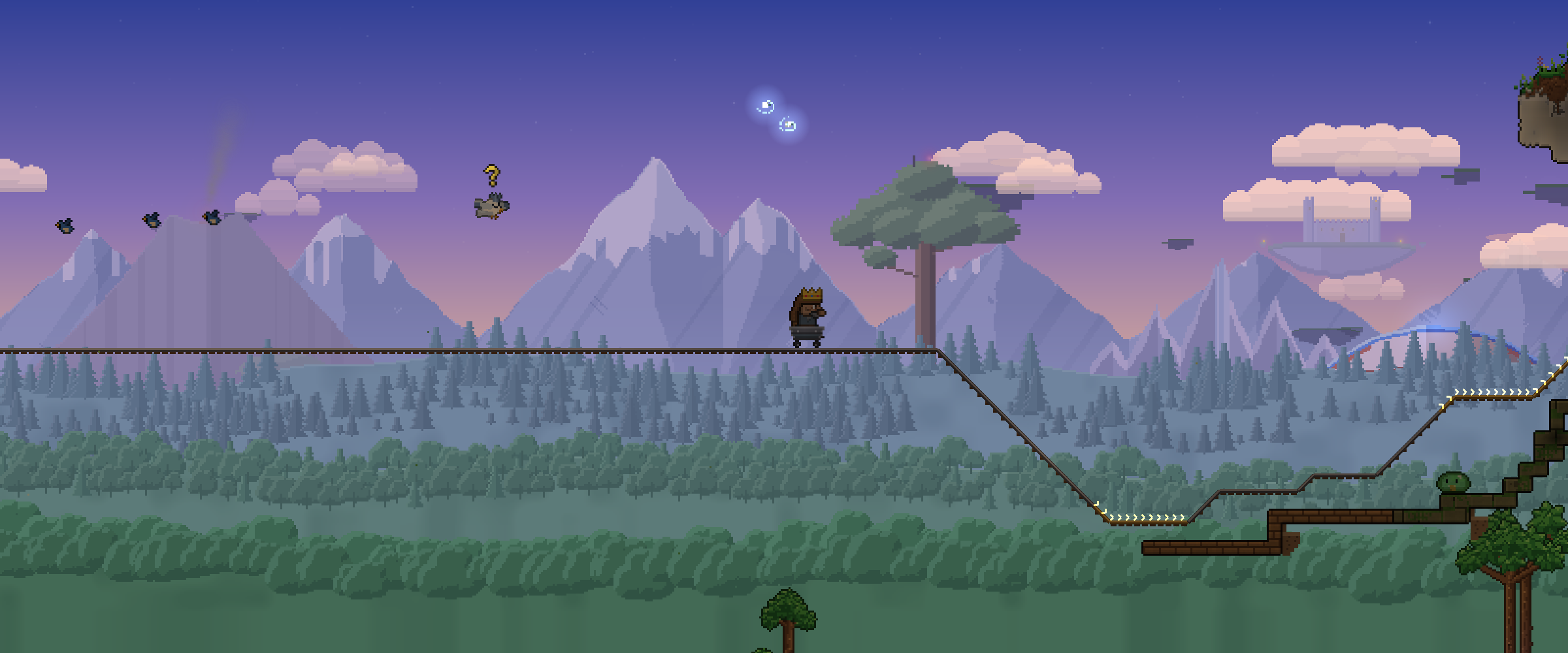
The rails
Plays on a cart or a train ridden a while across the forest, the Frozen Reach, the Dunes, the Tangle, or the shore, or through the caves under them until the Deep Ride takes over, by day or by night.
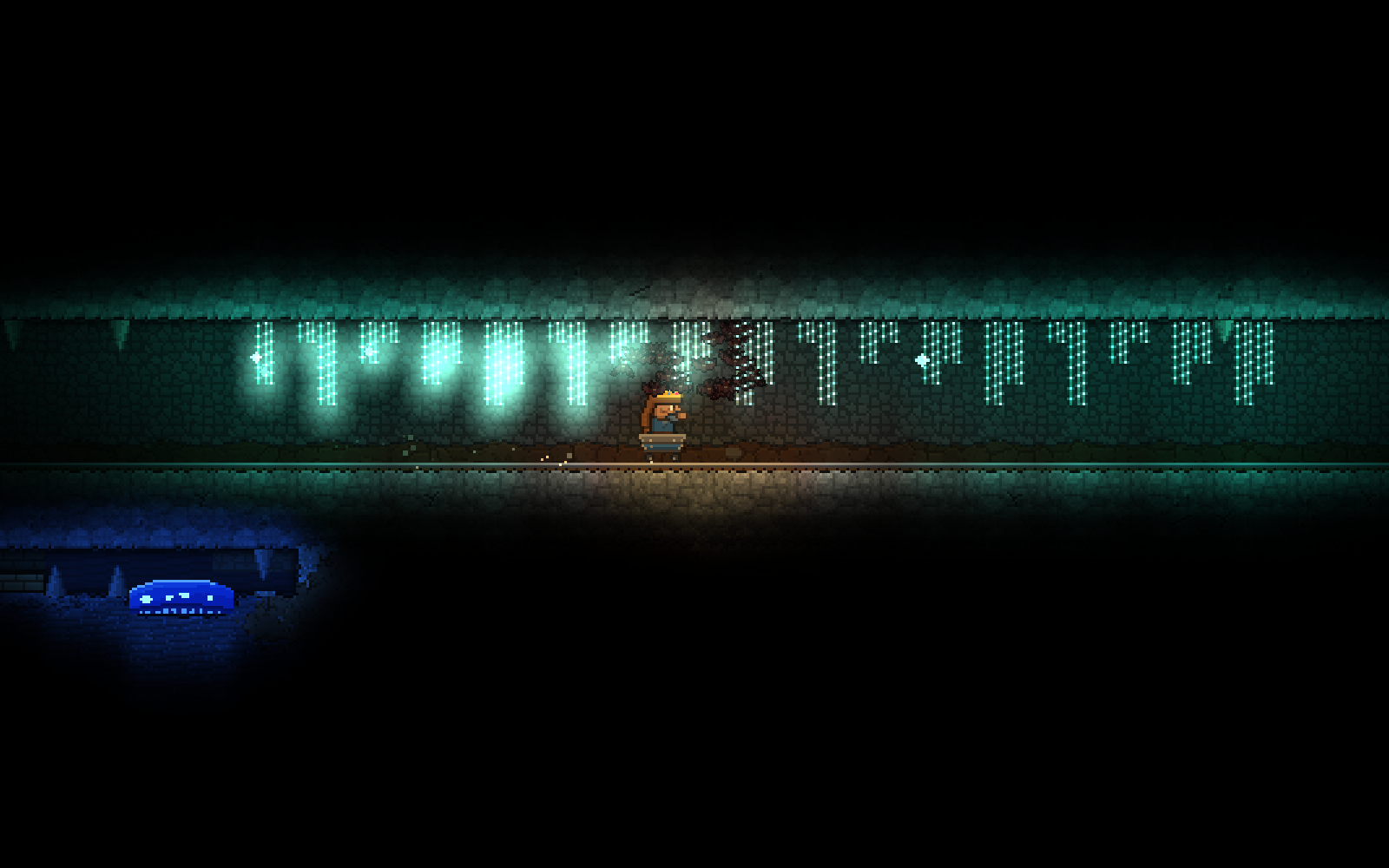
The Deep Ride
Loops once a ridden cart has run about 8 seconds through the caves, 12 tiles or more below the ground.
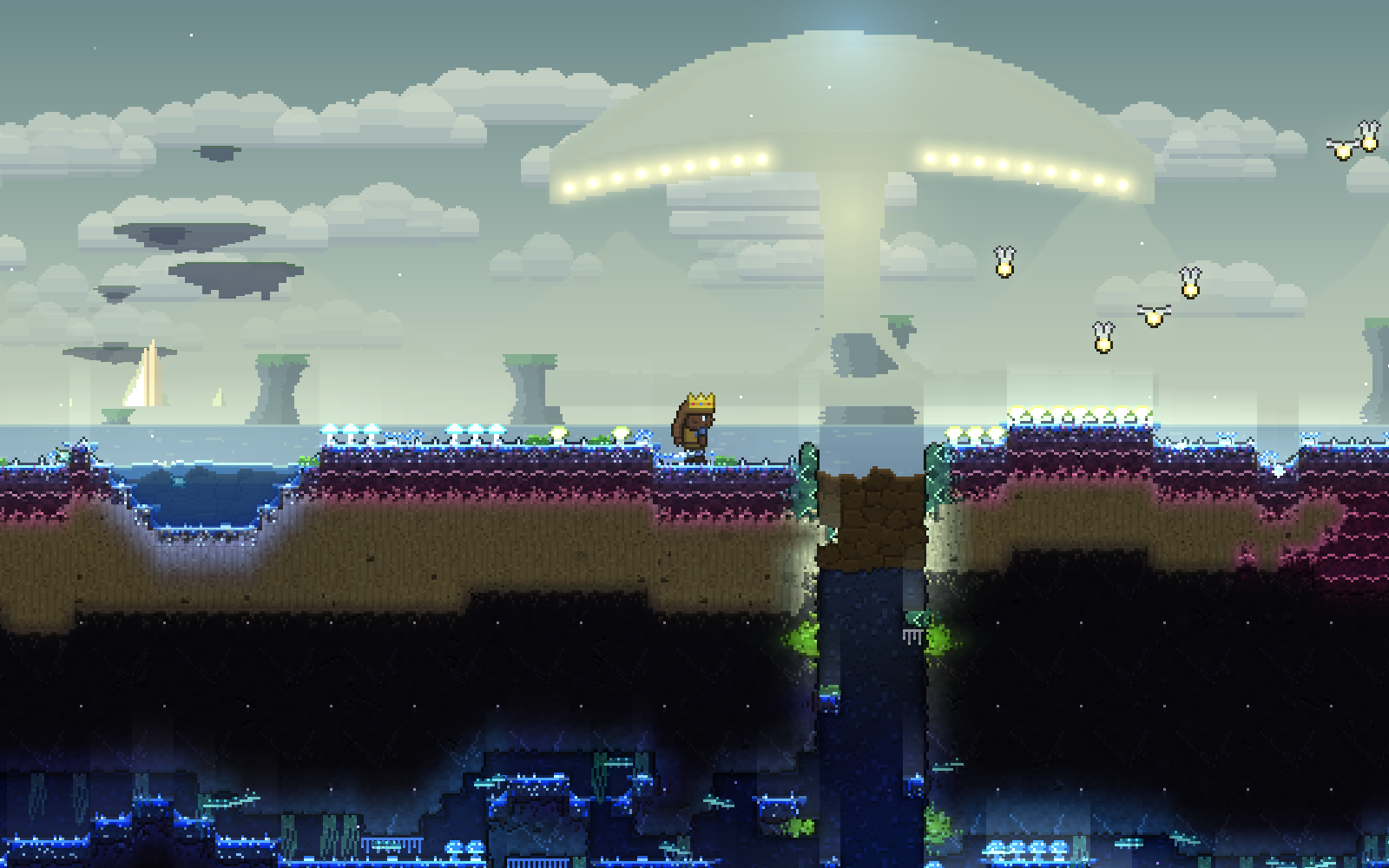
The Lantern Shoals
Plays on the far shore’s Lantern Shoals, by day or by night.
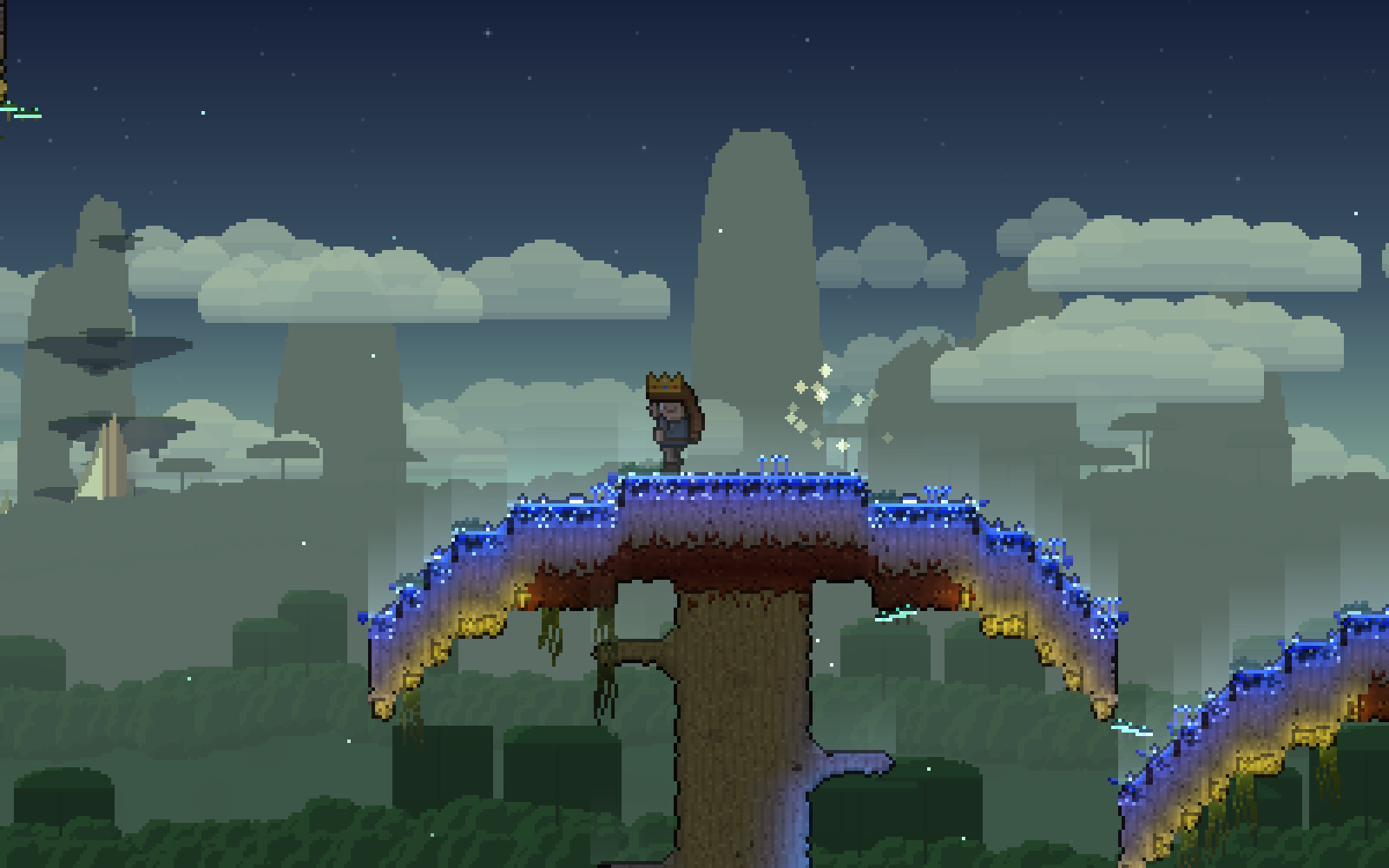
The High Caps
Plays on the far shore’s High Caps, by day or by night.
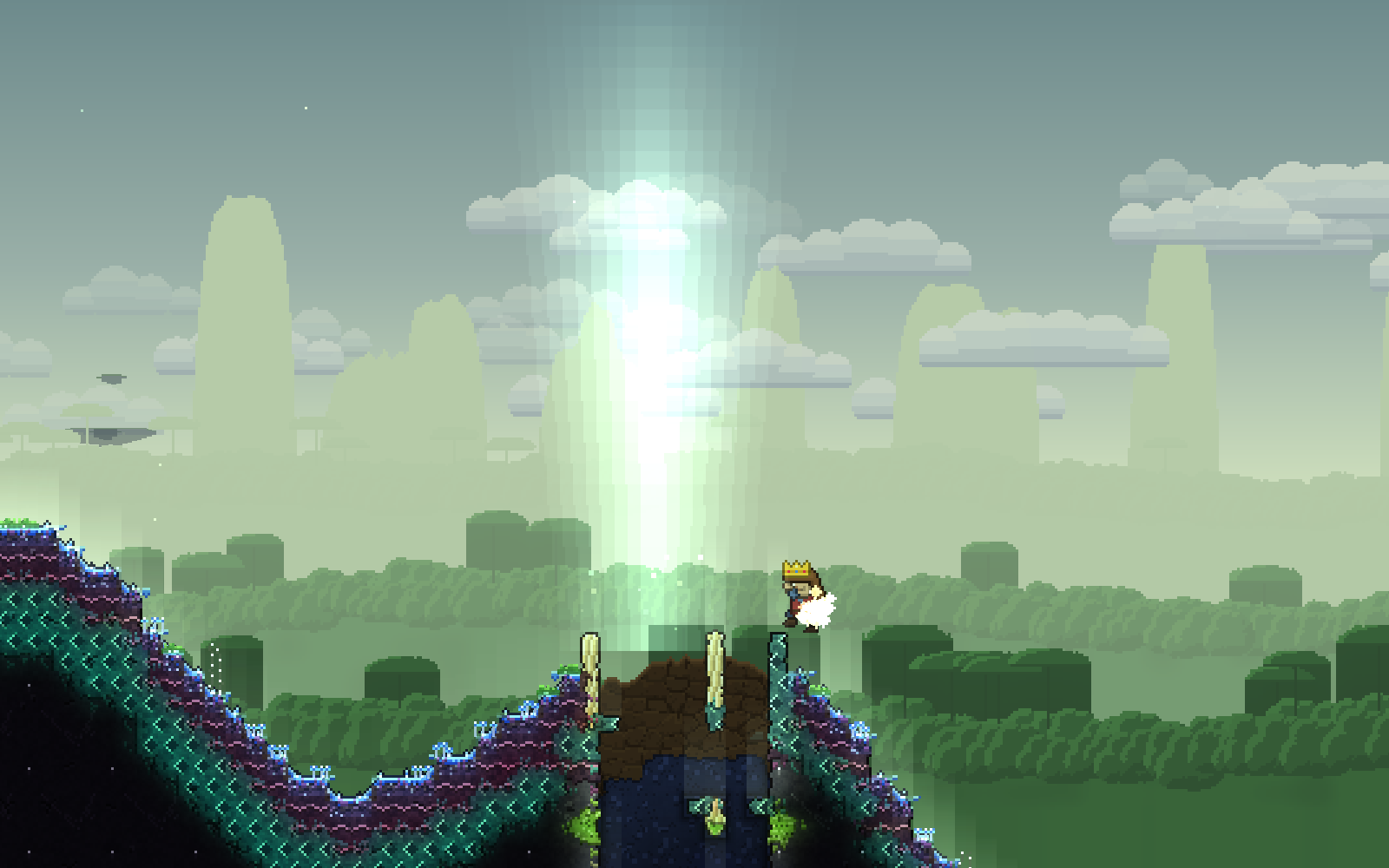
The Gill Hills
Plays on the far shore’s Gill Hills, by day or by night.
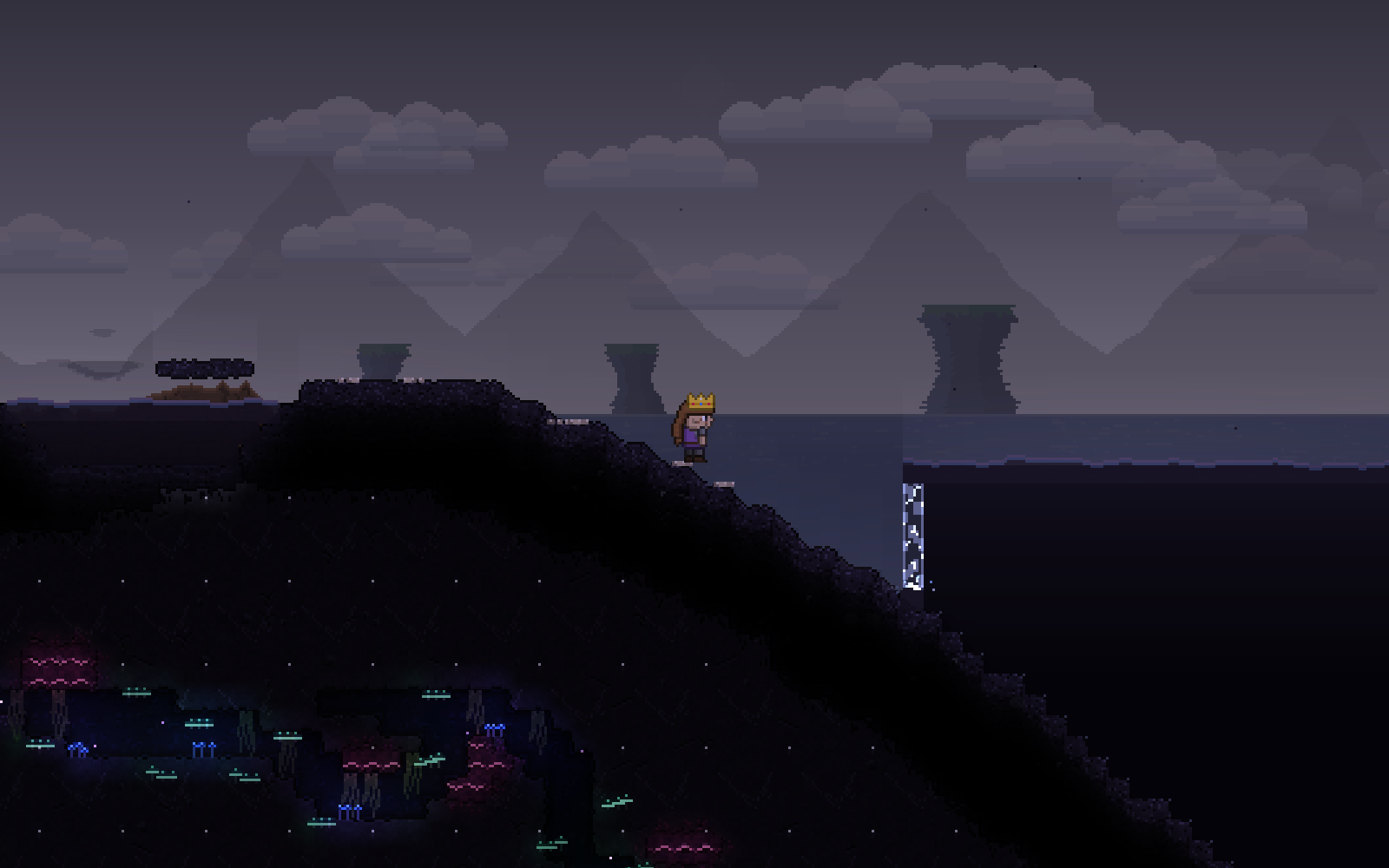
The Ink Flats
Plays on the far shore’s Ink Flats, by day or by night.
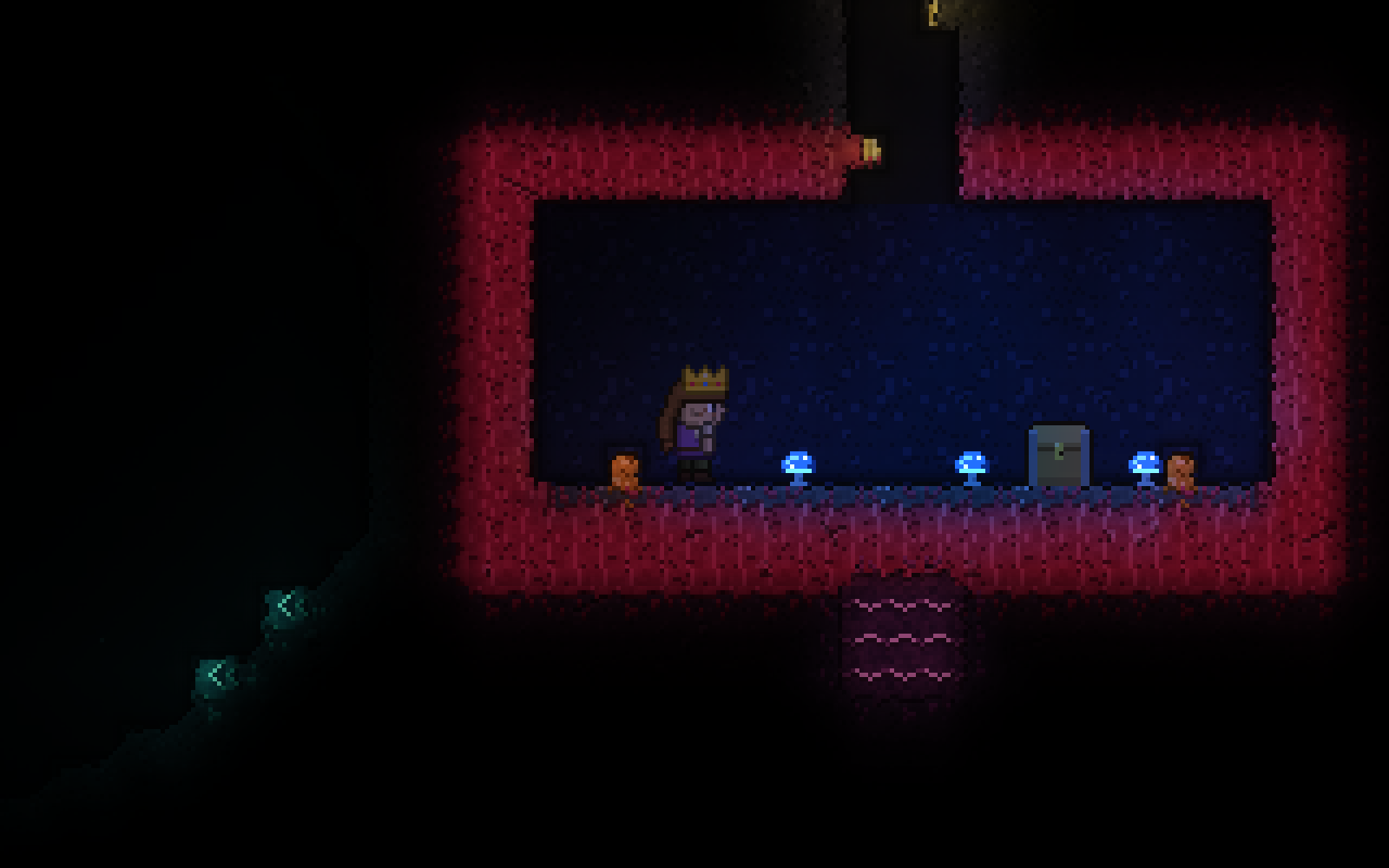
The Quiet
Plays in the Quiet, the dead layer under the far shore, at less than half the level of other pieces.
The Homeward Seas
Plays on the Homeward Seas, the Pale Moon’s plains round the landing, by day or by night.
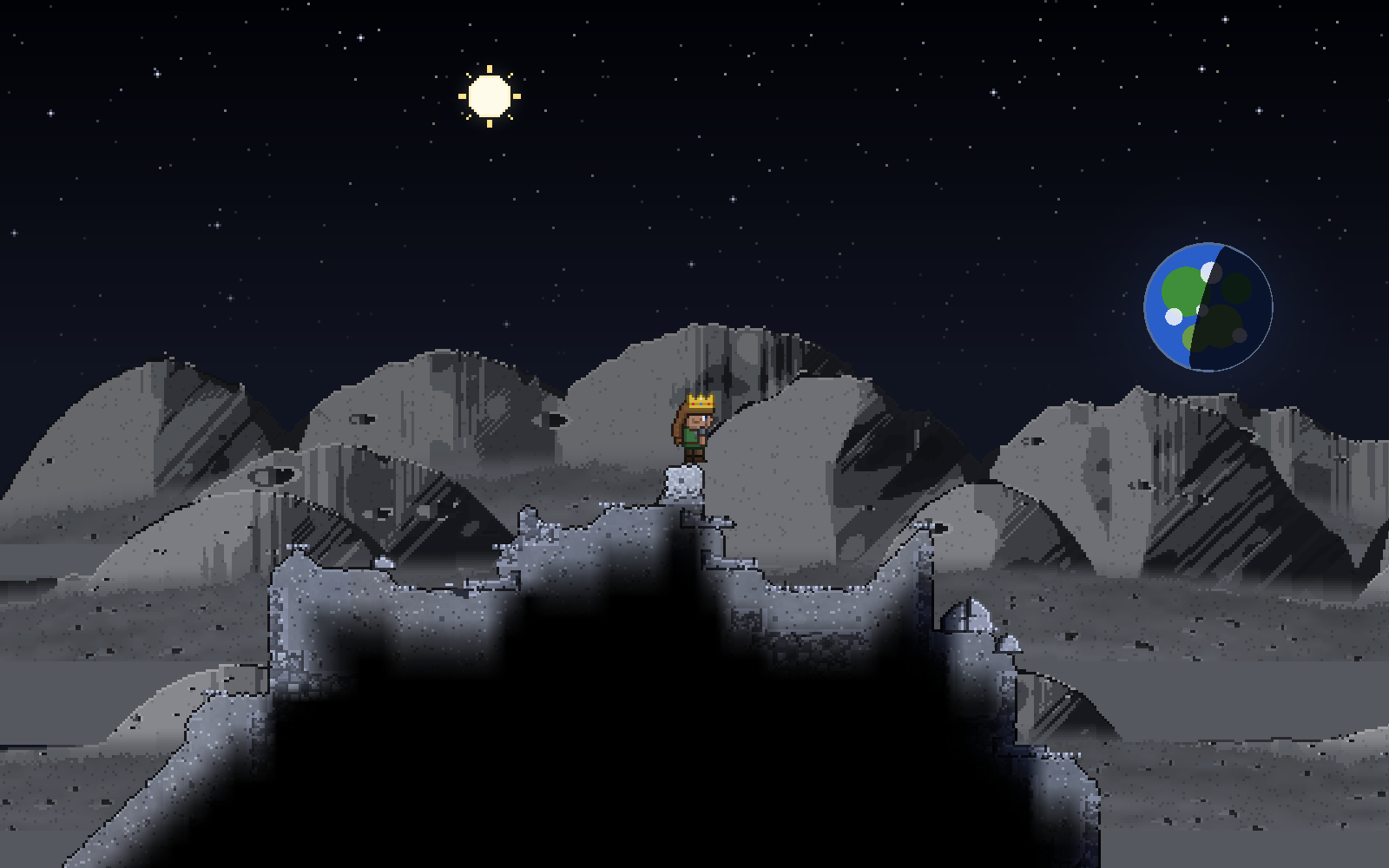
The Highlands
Plays in the Bright and Western Highlands of the Pale Moon.
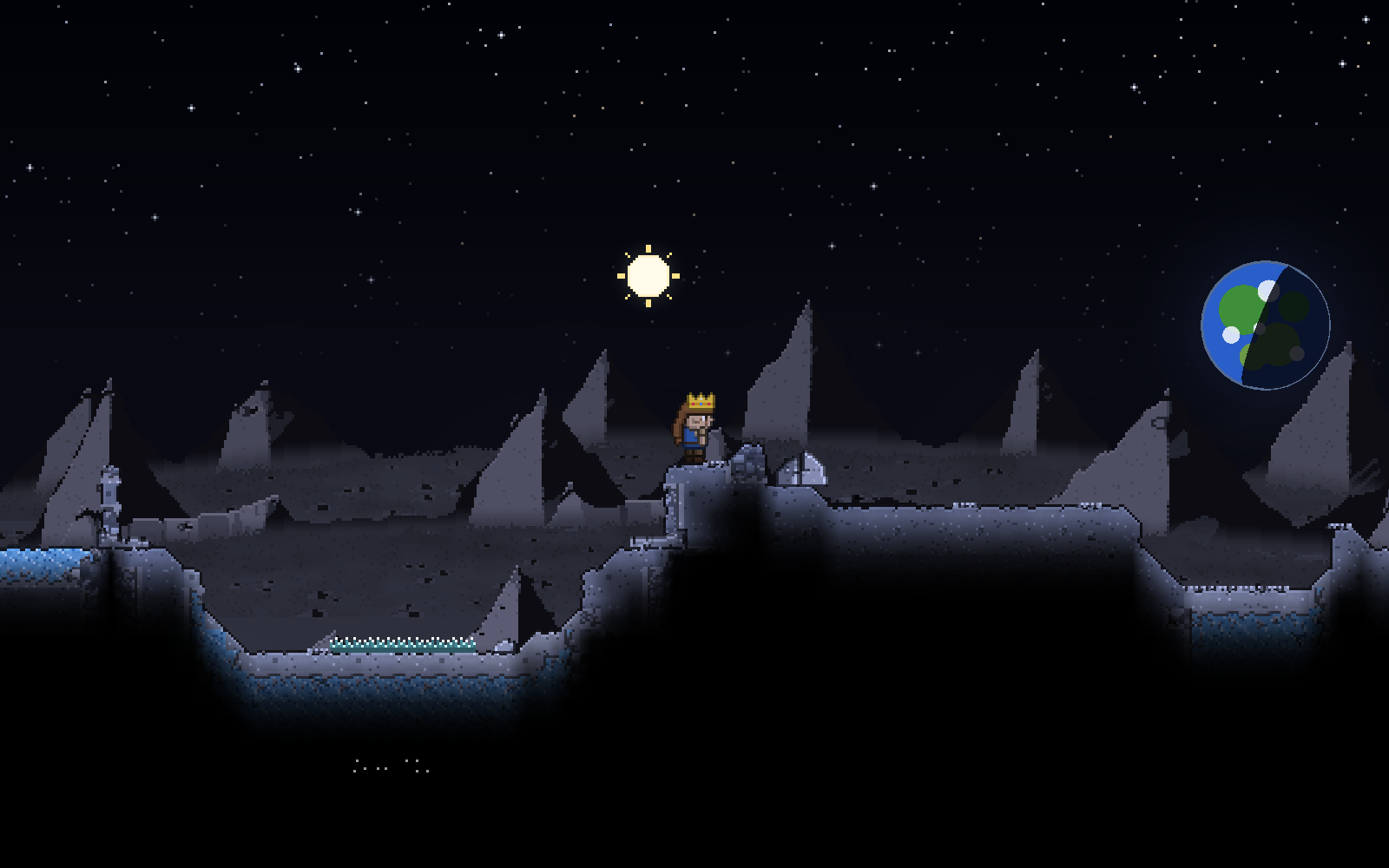
The polar lands
Plays in the moon’s polar lands, under a low sun that never sets, round the Moth Lantern’s peak and the icy craters.
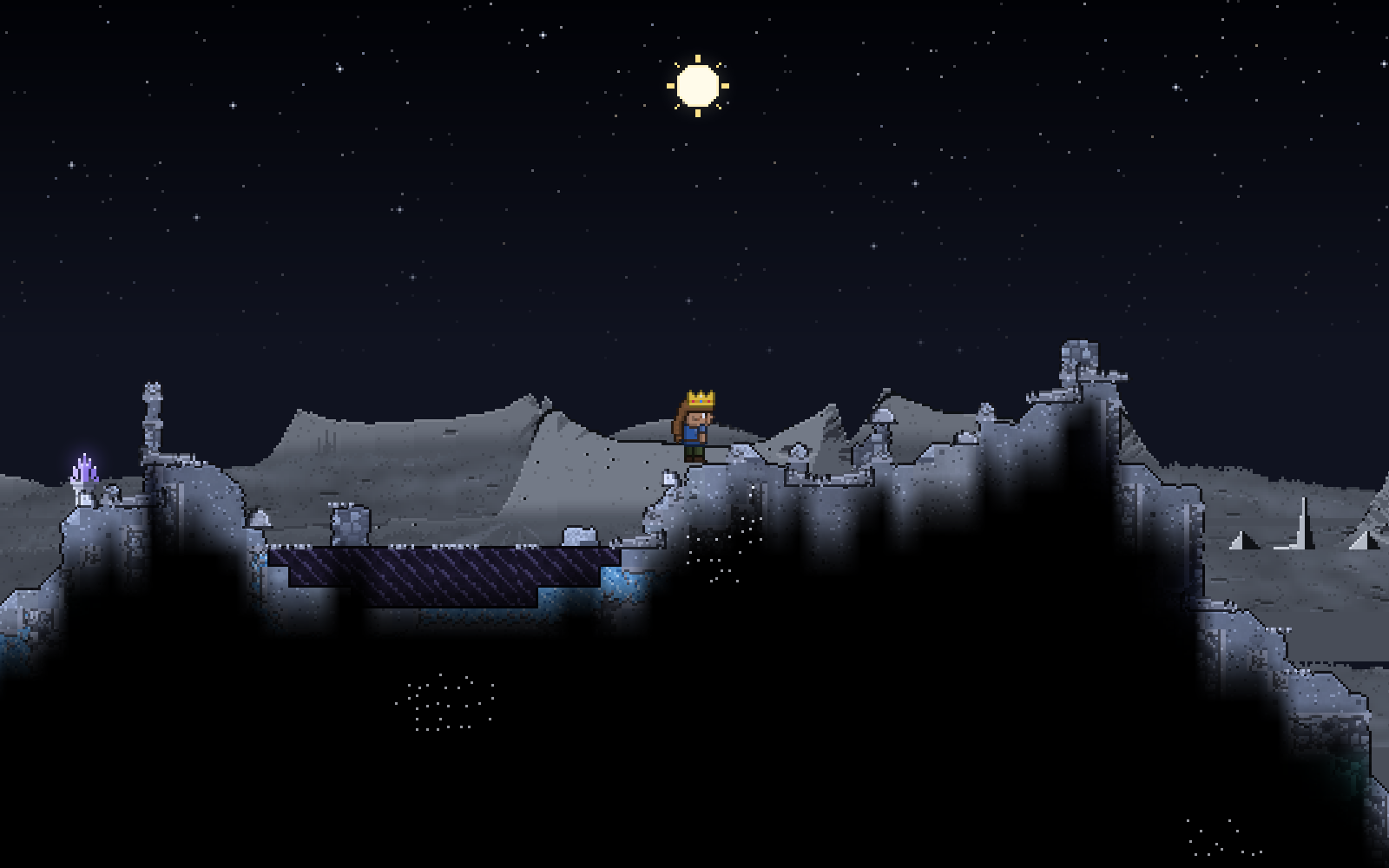
The Ray Fields
Plays on the Pale Moon’s Ray Fields.
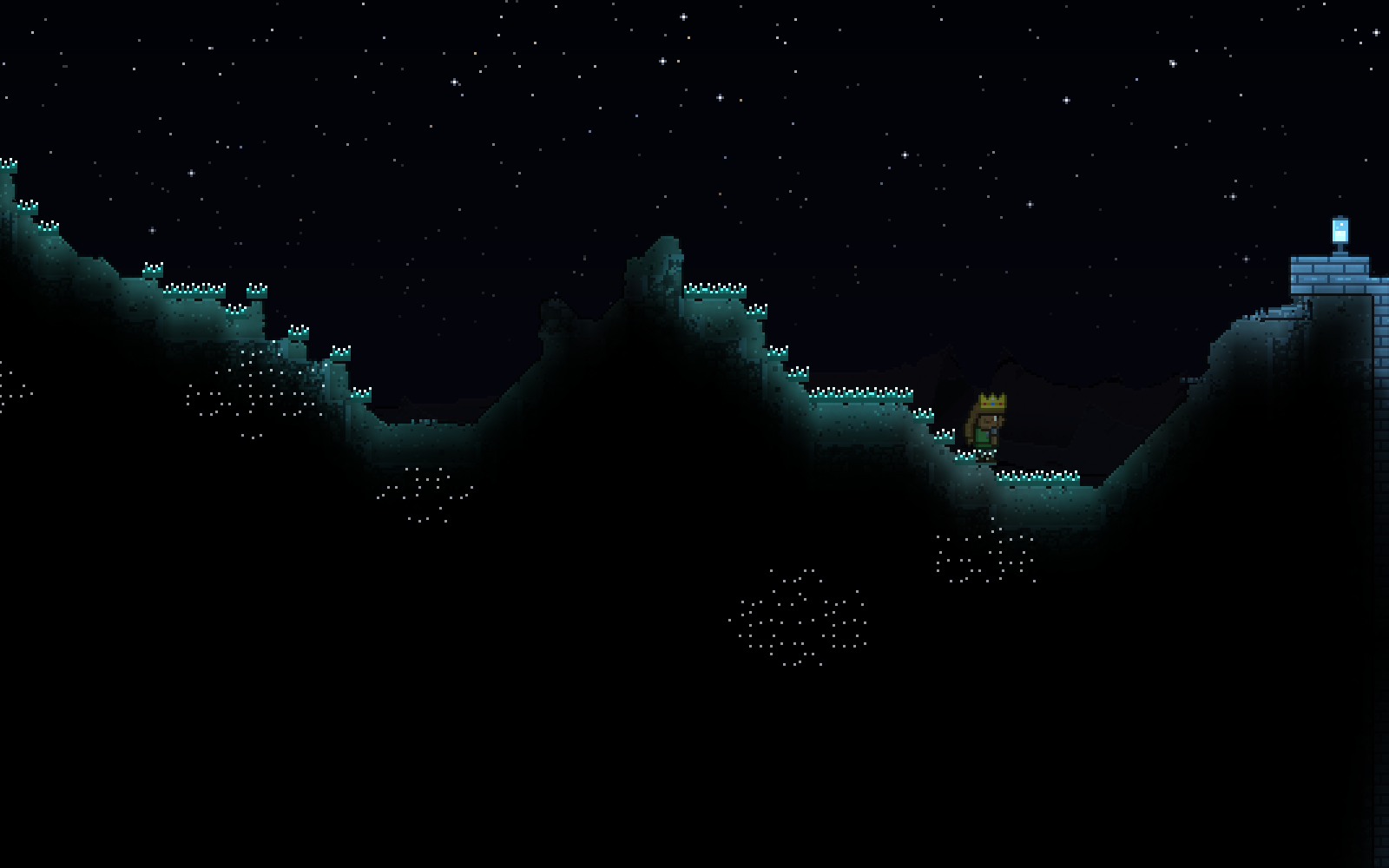
The Far Side
Plays on the far side of the moon, where home is never seen.
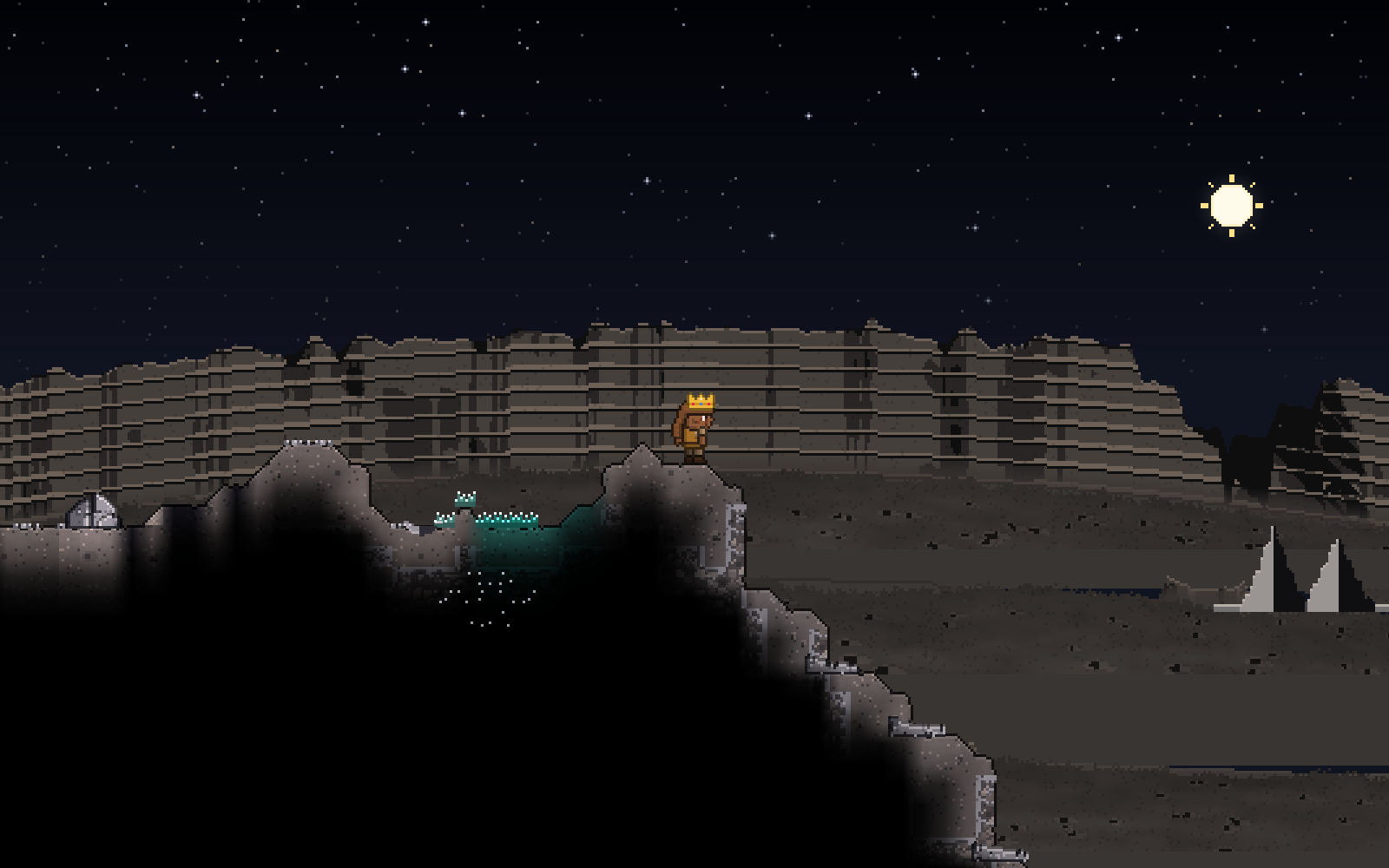
The Great Basin
Plays in the Pale Moon’s Great Basin.
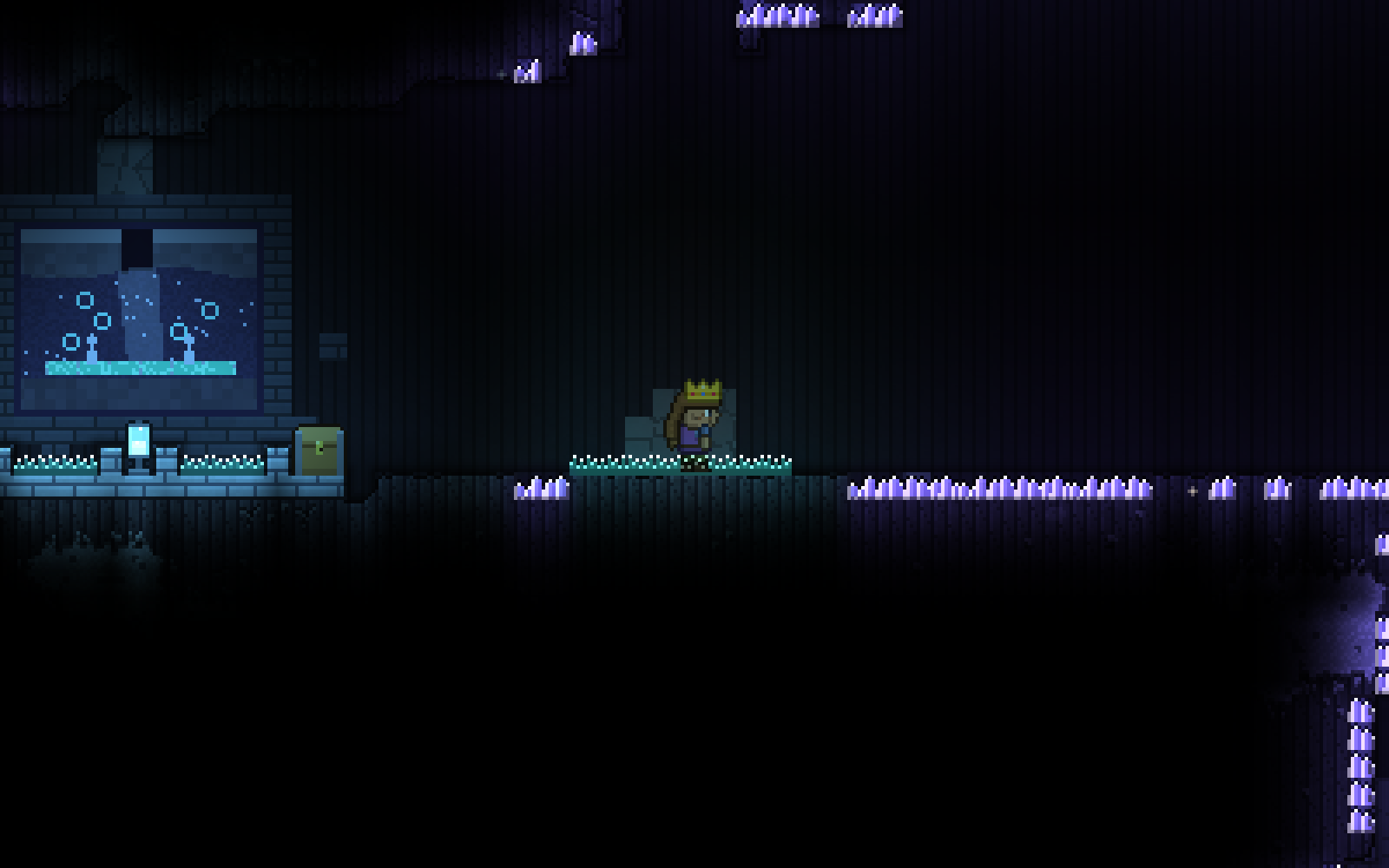
The Undermoon
Plays in the moon’s lava tubes, and in the broken rock under its other lands.
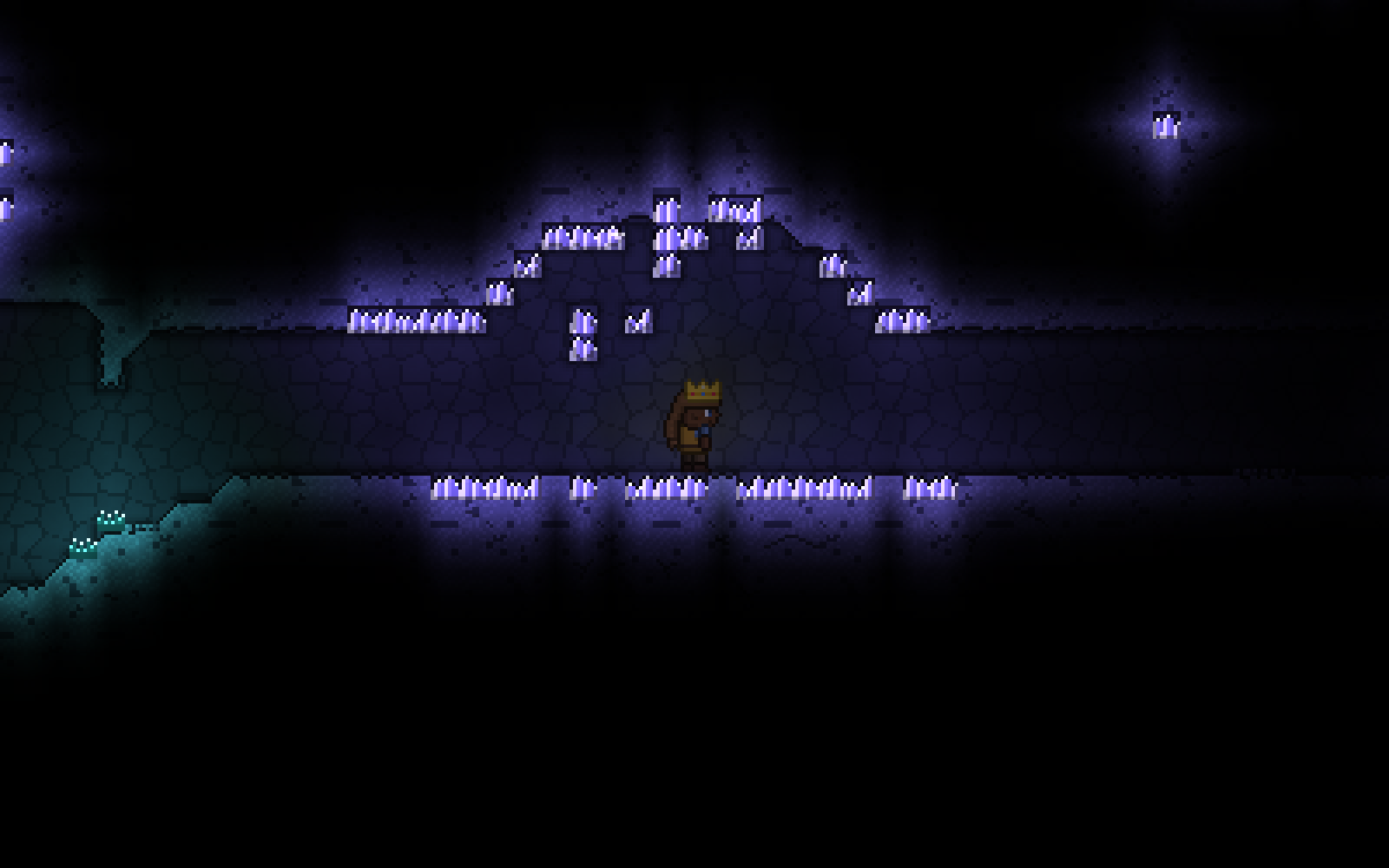
The selenite caverns
Plays in the moon’s crust, 48 to 300 tiles below the ground, where its selenite caverns are, outside the ice under the poles.
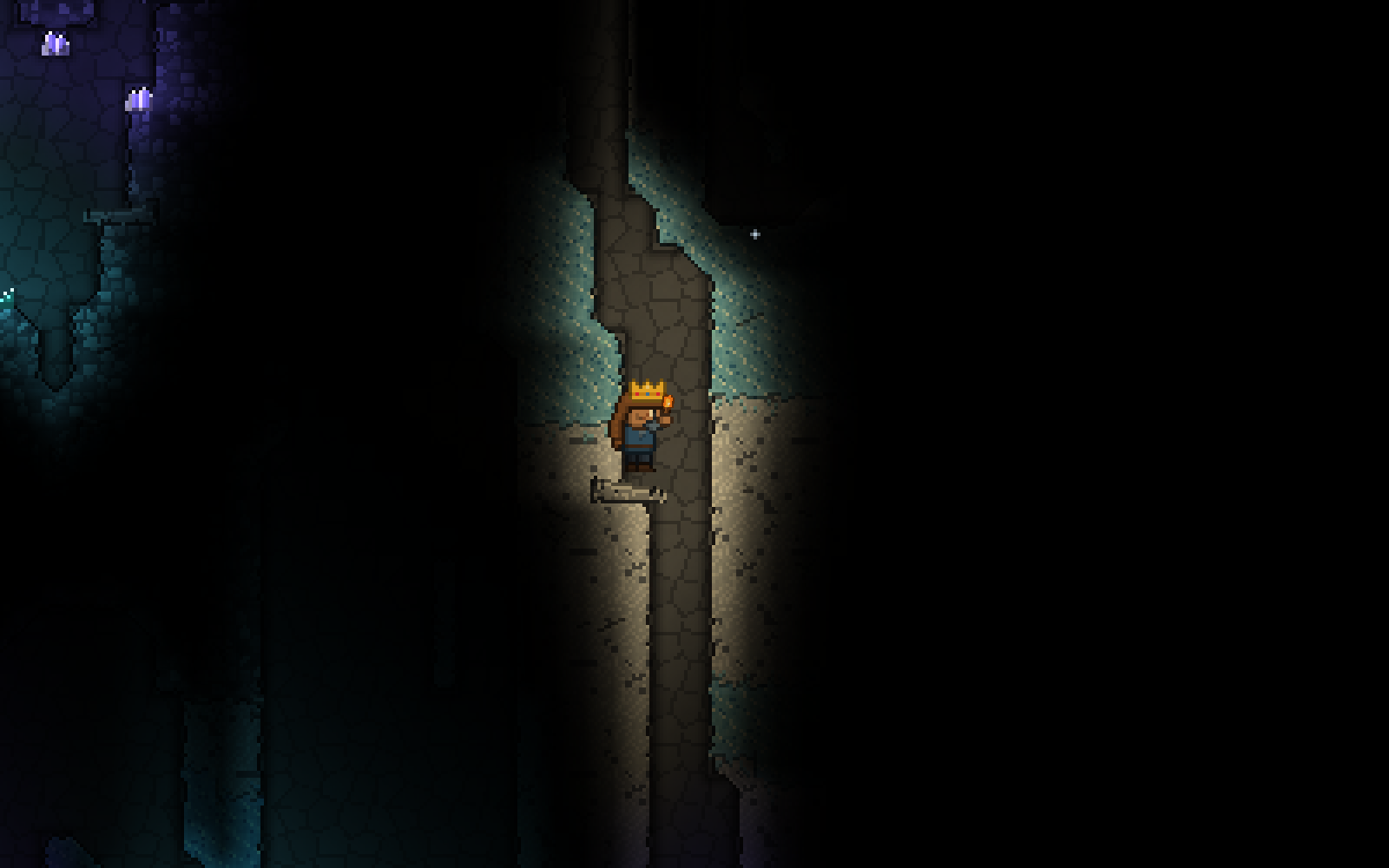
The moon’s ice caves
Plays in the ice caves under the moon’s poles, 10 to 170 tiles below the ground.
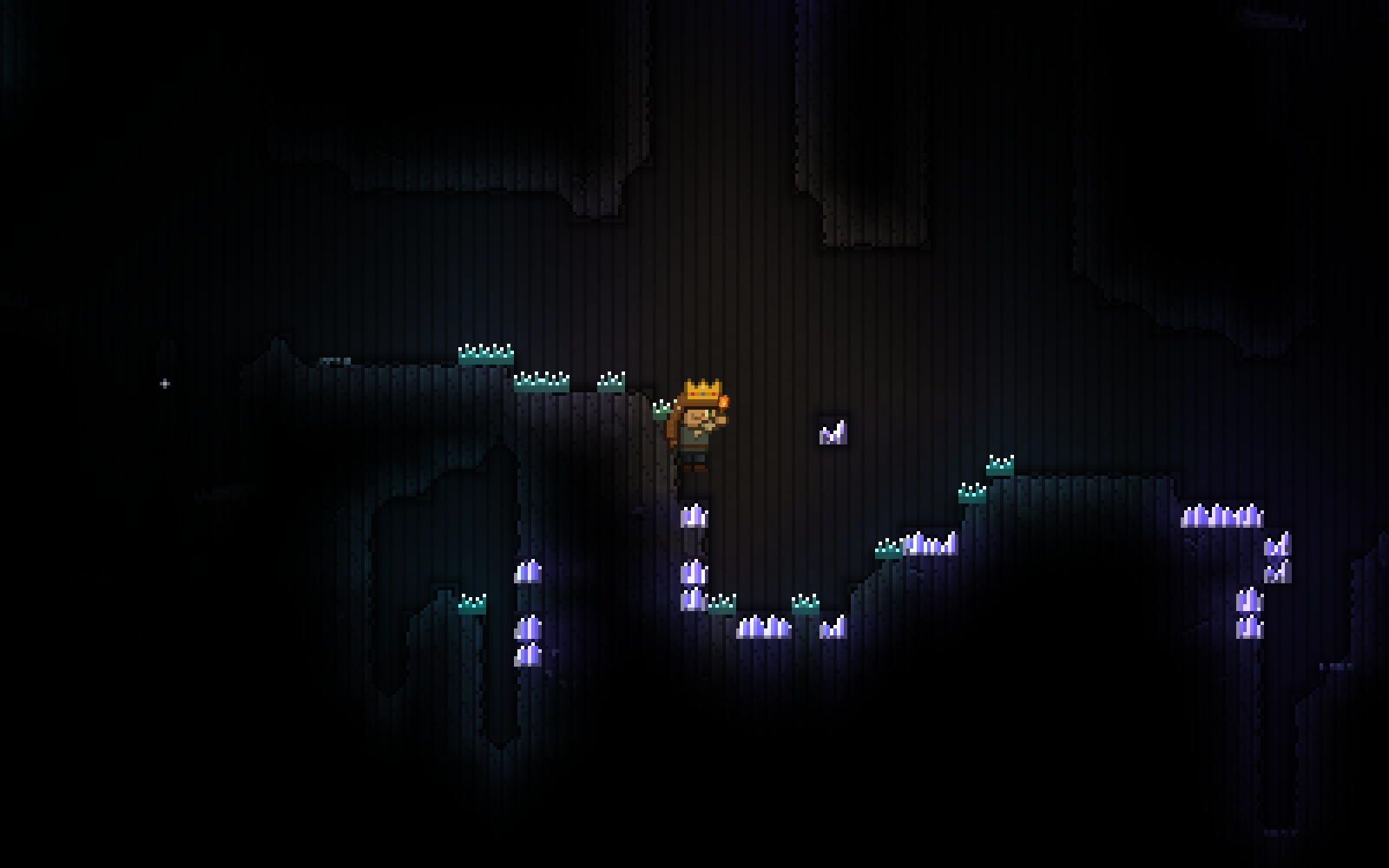
The moon’s deep
Plays in the moon’s deep, 300 tiles and more below the ground.
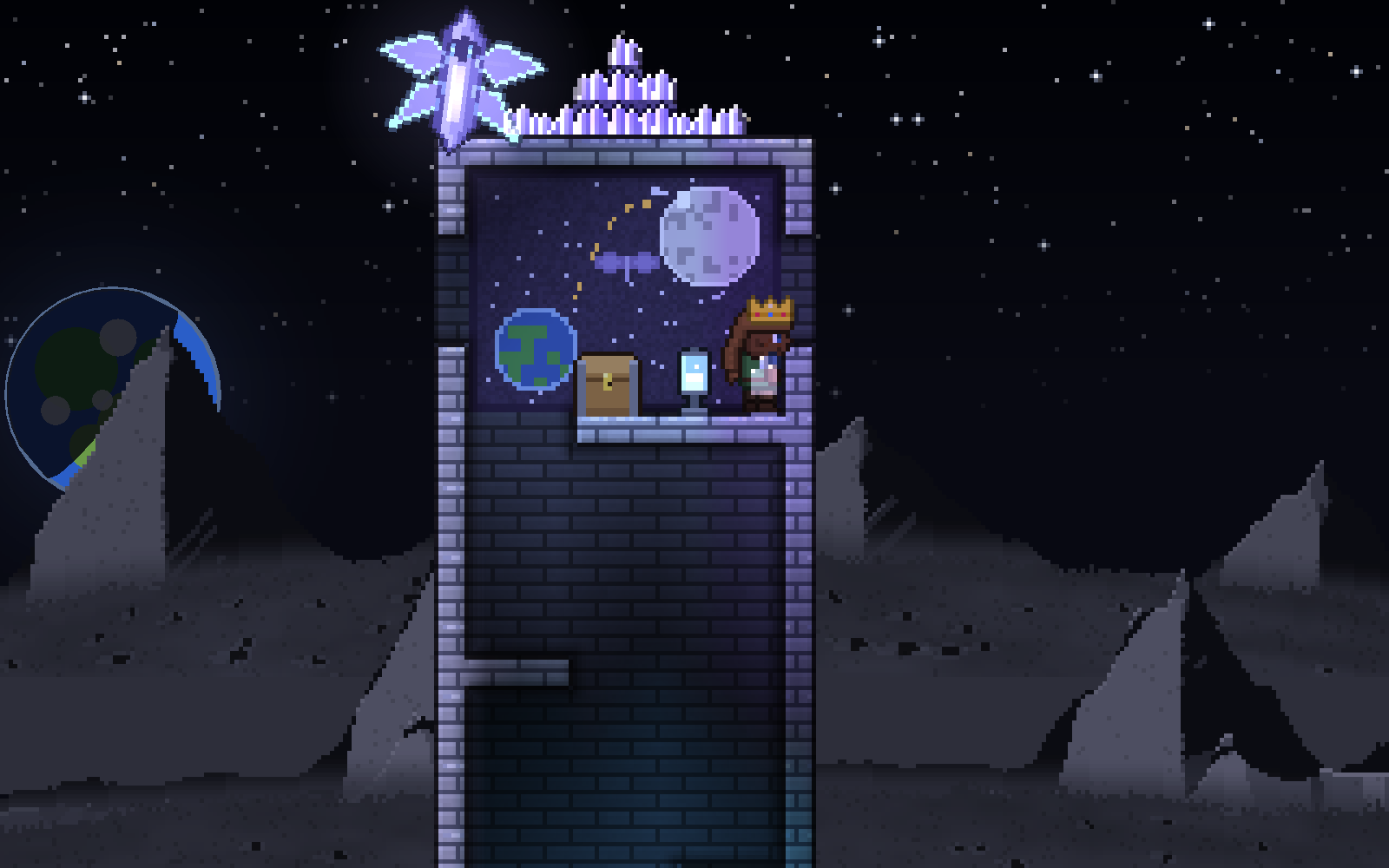
The Moth Lantern
Plays inside the Moth Lantern, the old ones’ tower.
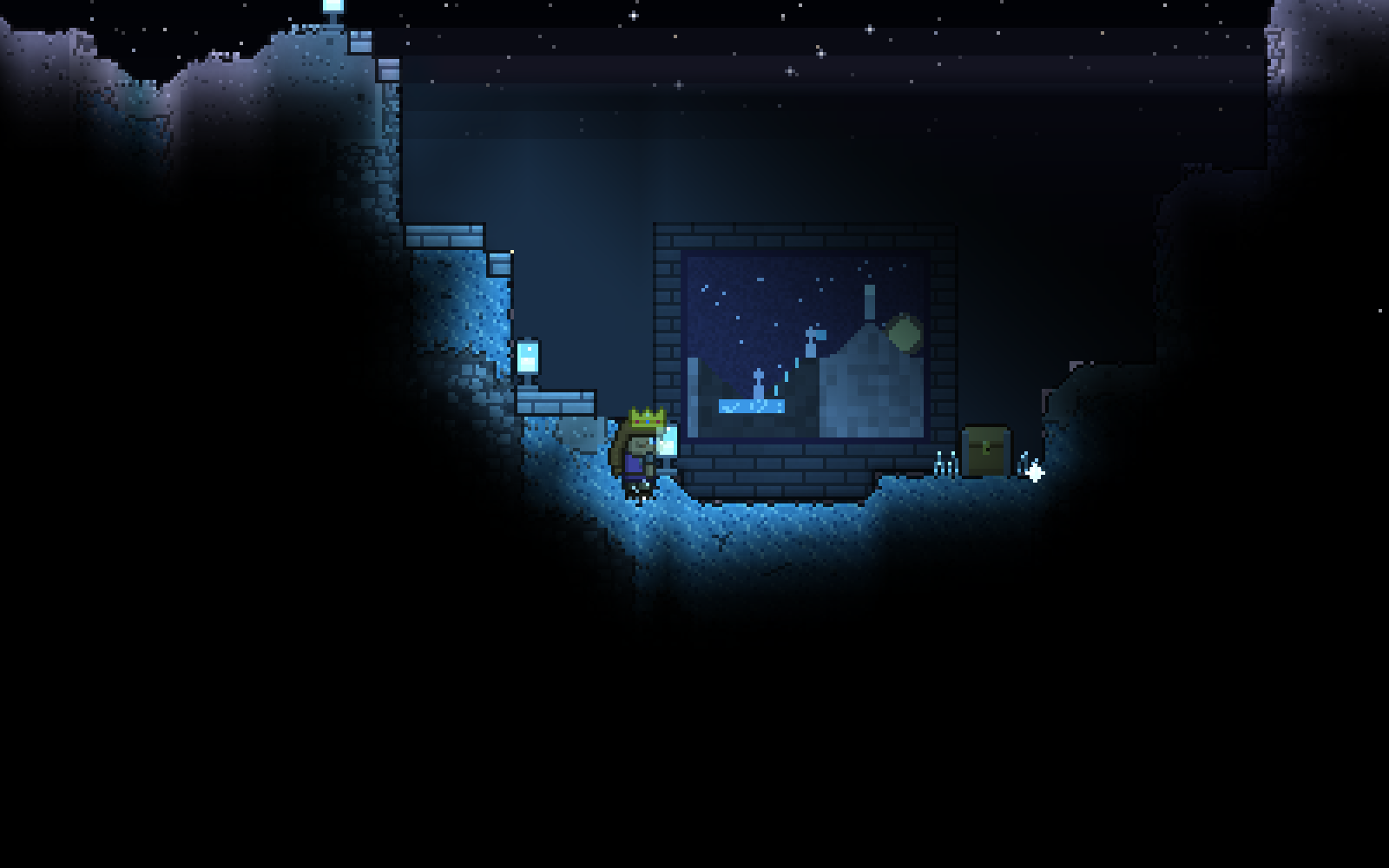
The ice works
Plays in the old ones’ ice works at either pole of the Pale Moon, from the crater’s rim to its floor.
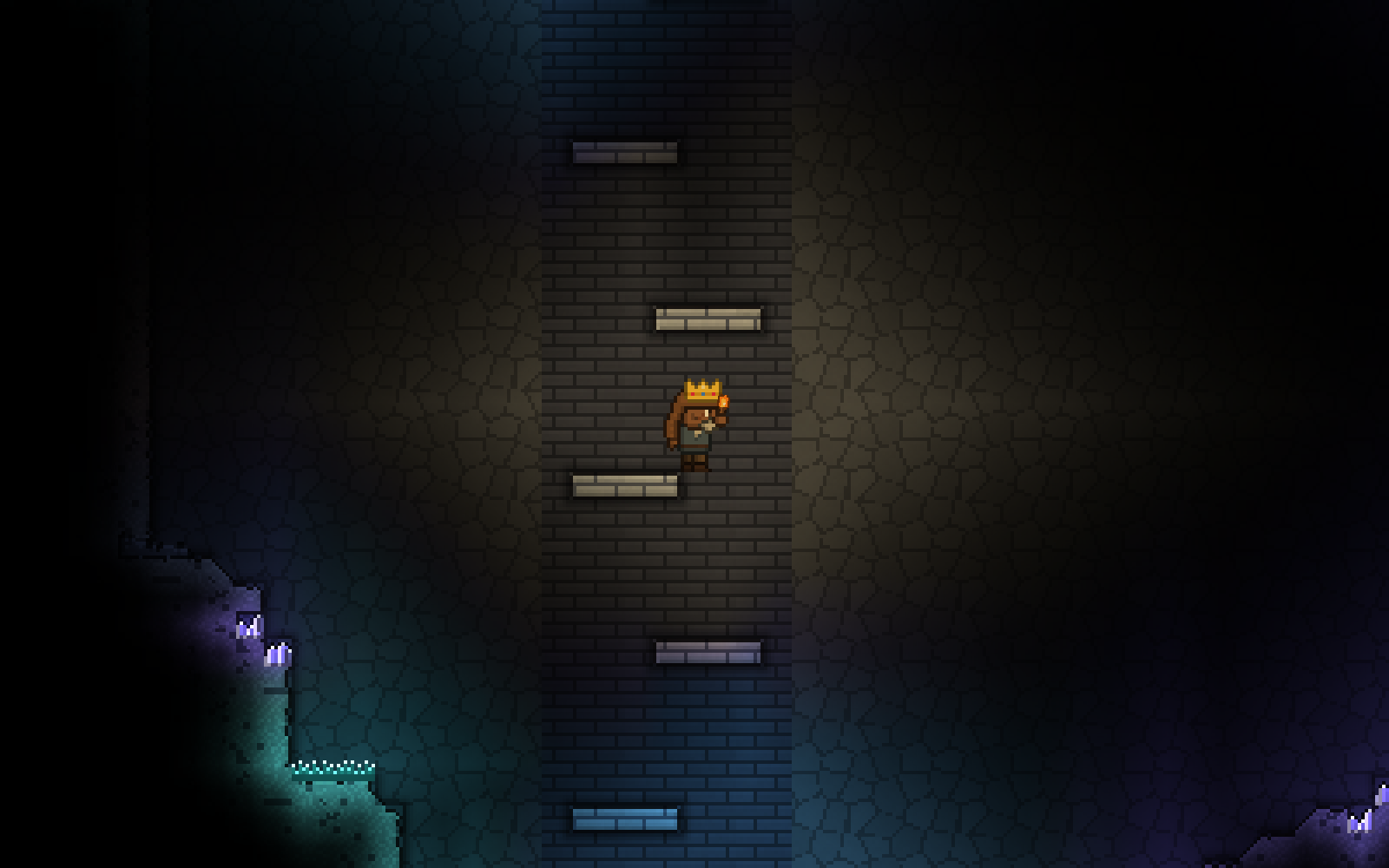
The long stair
Plays down the old ones’ long stair under the moon’s far side, from the landing at its top to its foot.
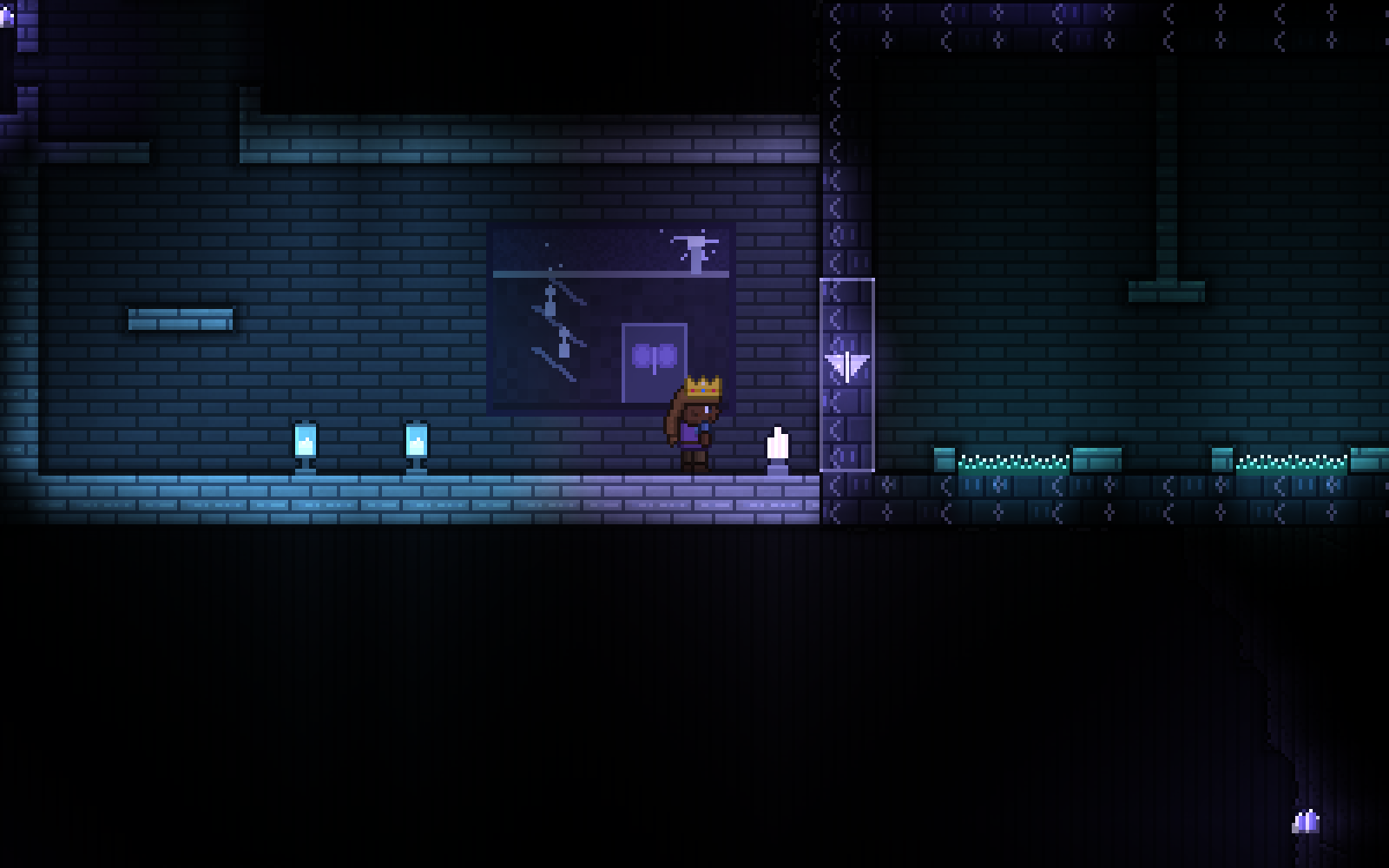
The sealed door
Plays in the hall before the old ones’ sealed door on the moon, and in the refuge behind it.
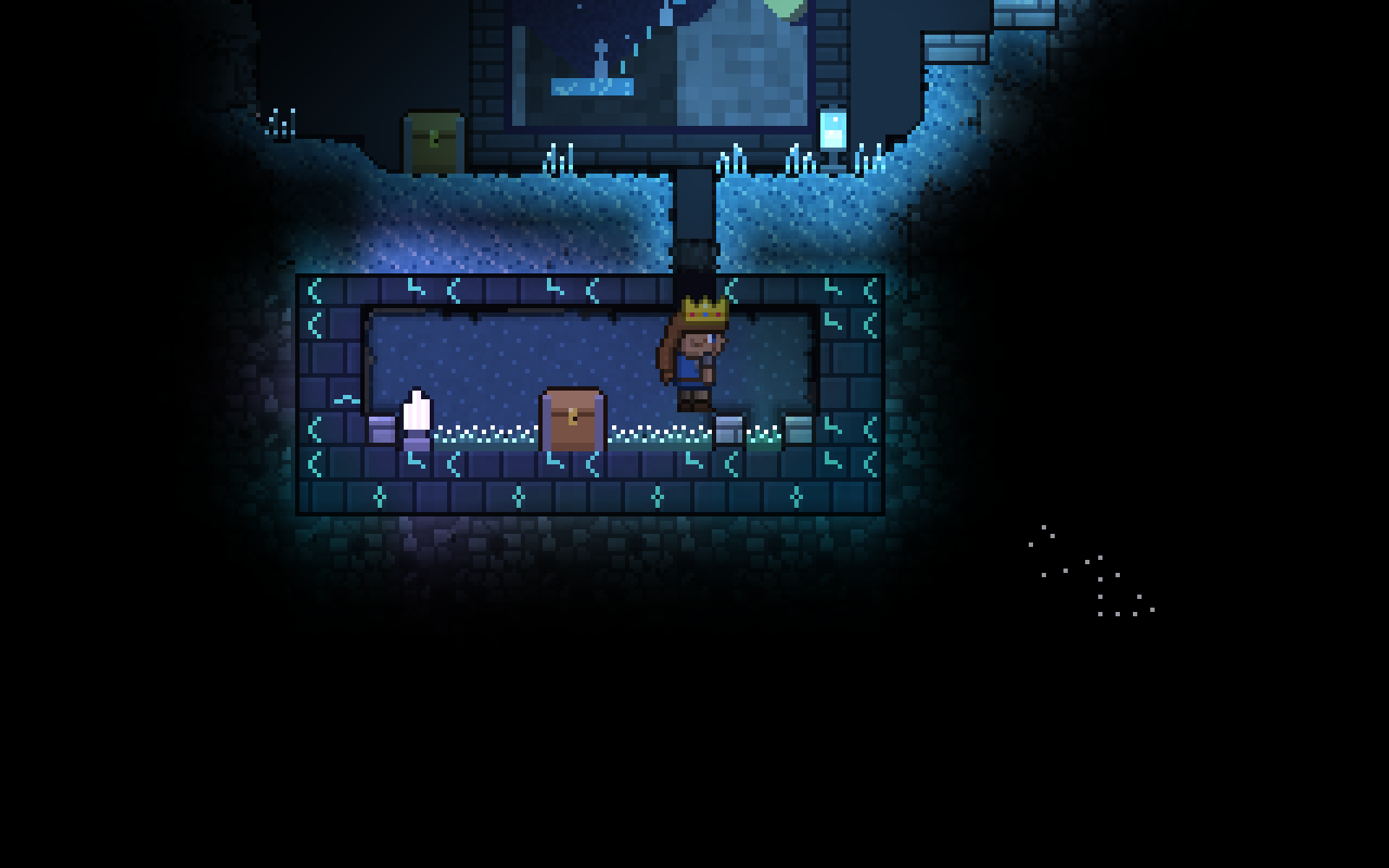
The last garden
Plays in the old ones’ last garden, frozen under the moon’s south pole.
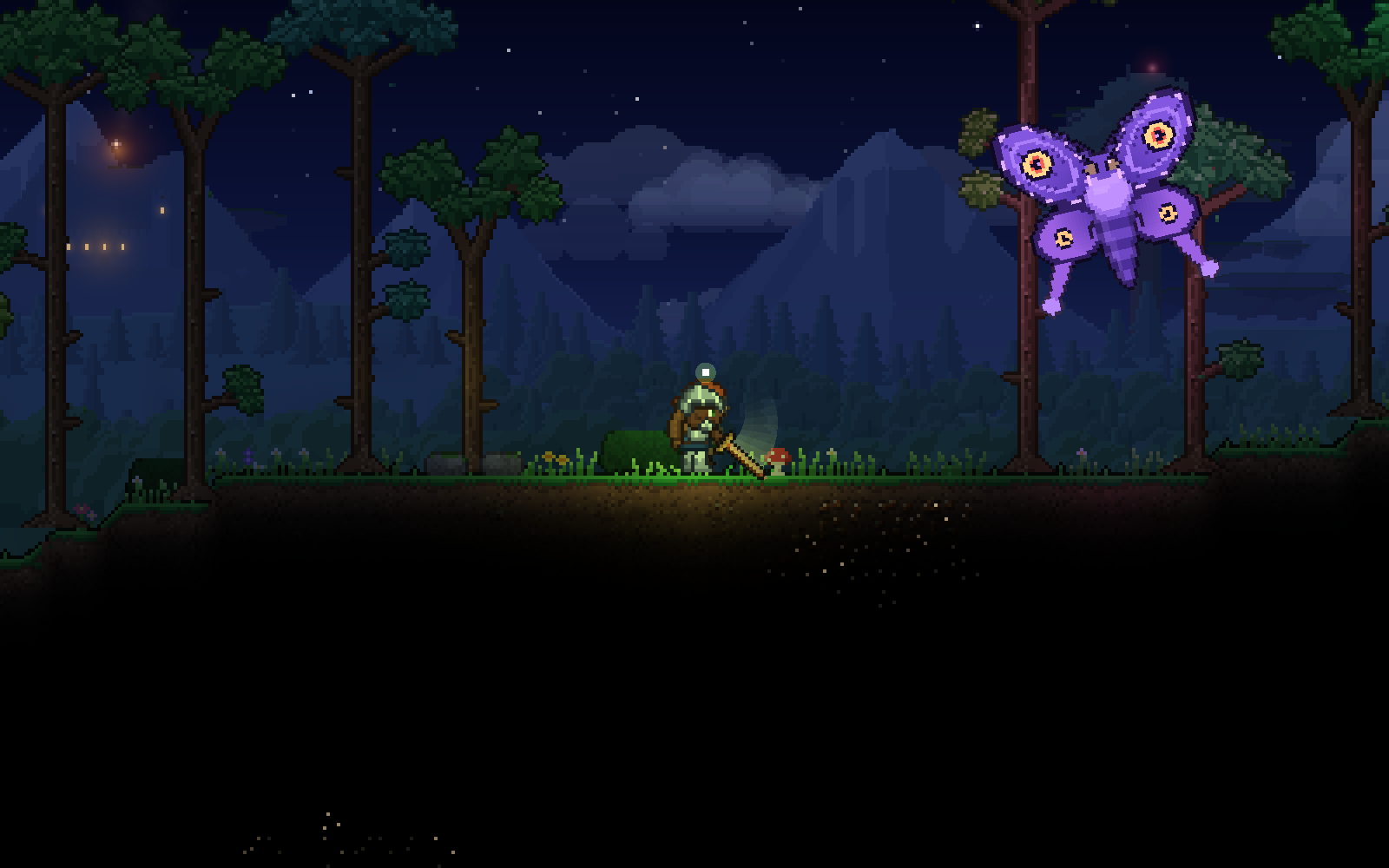
The Moth Queen
Loops for as long as the fight with the Moth Queen lasts.
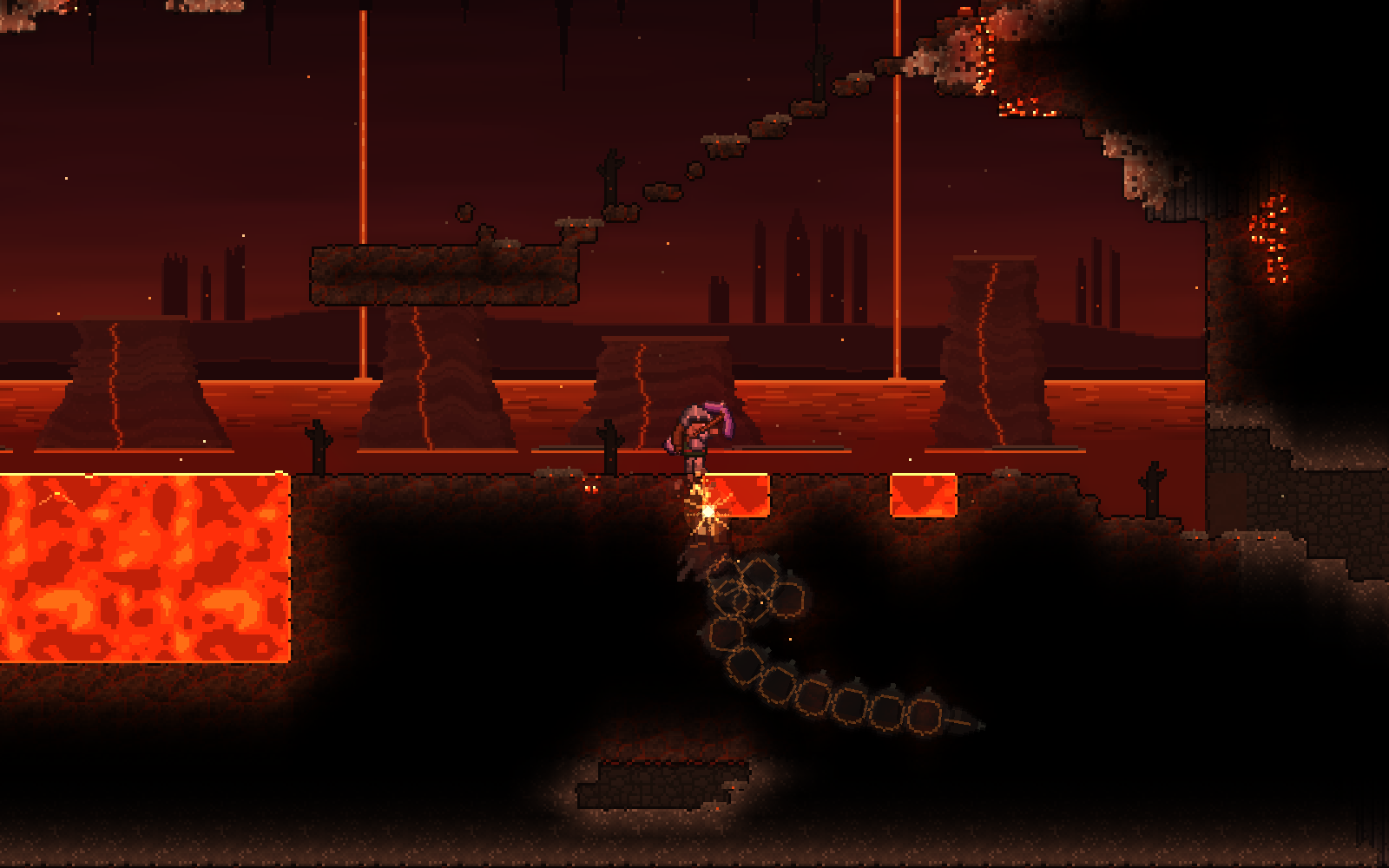
The Cinder Wyrm
Loops for as long as the fight with the Cinder Wyrm lasts.
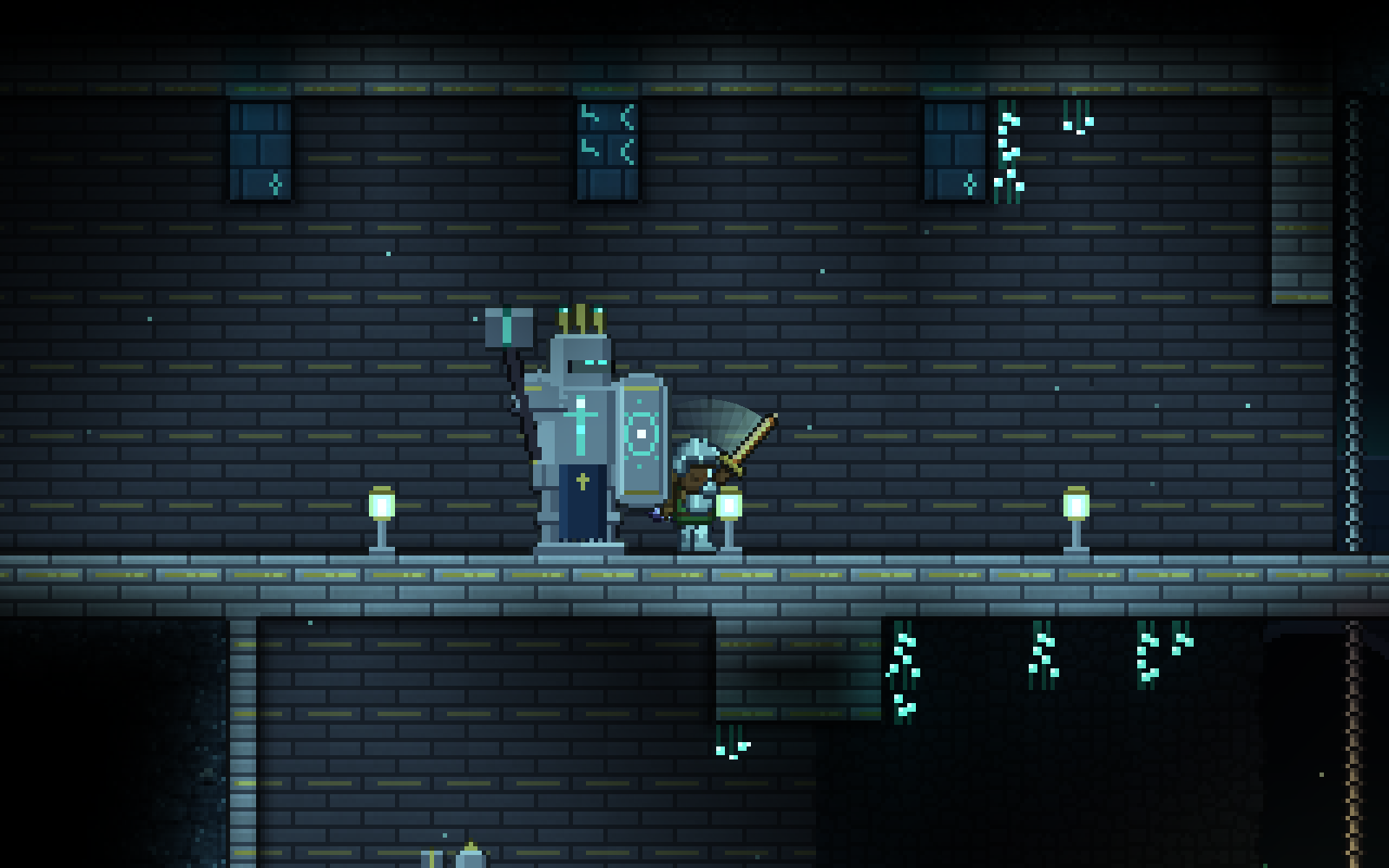
The Hollow Warden
Loops for as long as the fight with the Hollow Warden lasts, in the Sunken Halls.
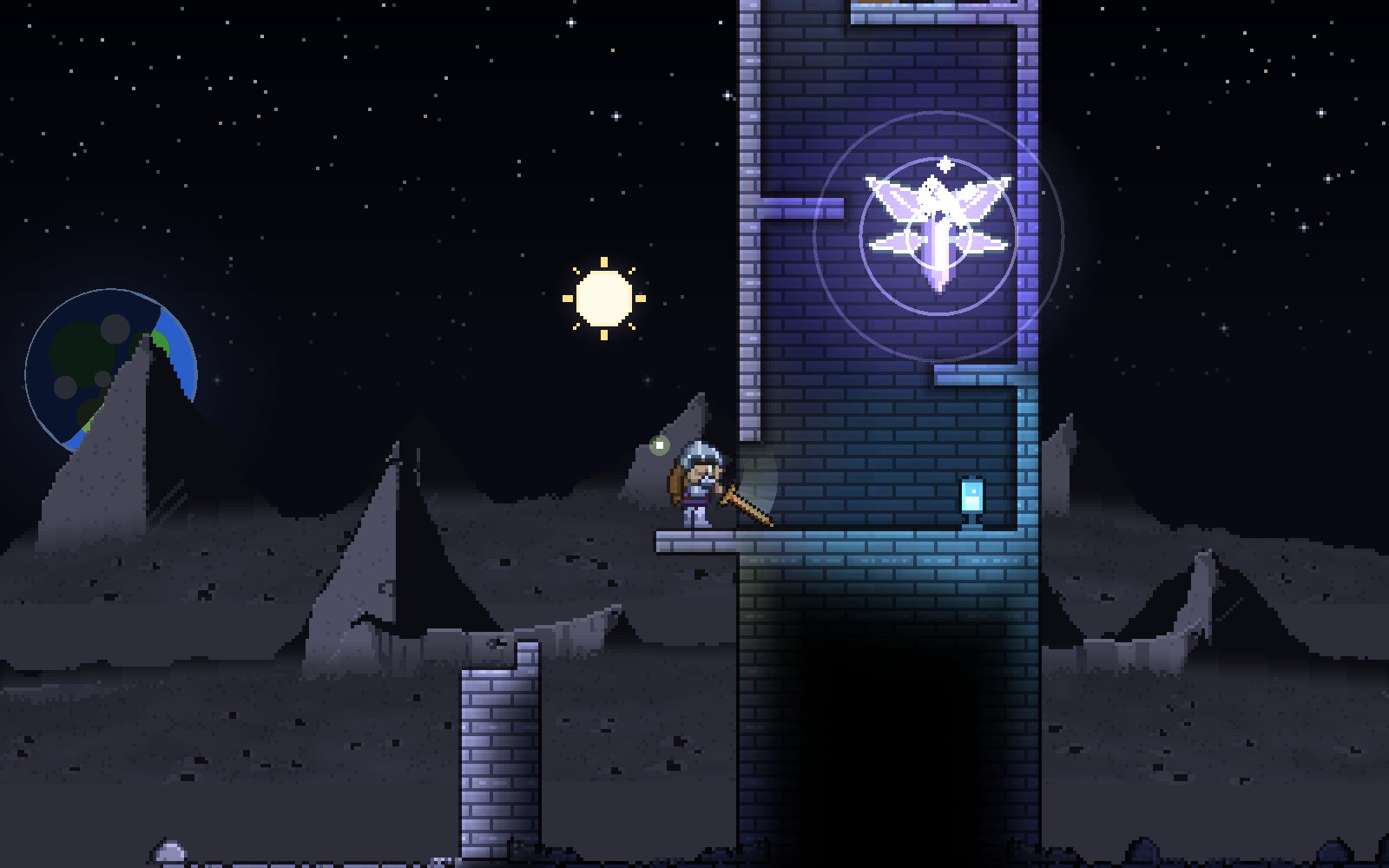
The Lantern Keeper
Loops for as long as the fight with the Lantern Keeper lasts, at the Moth Lantern.
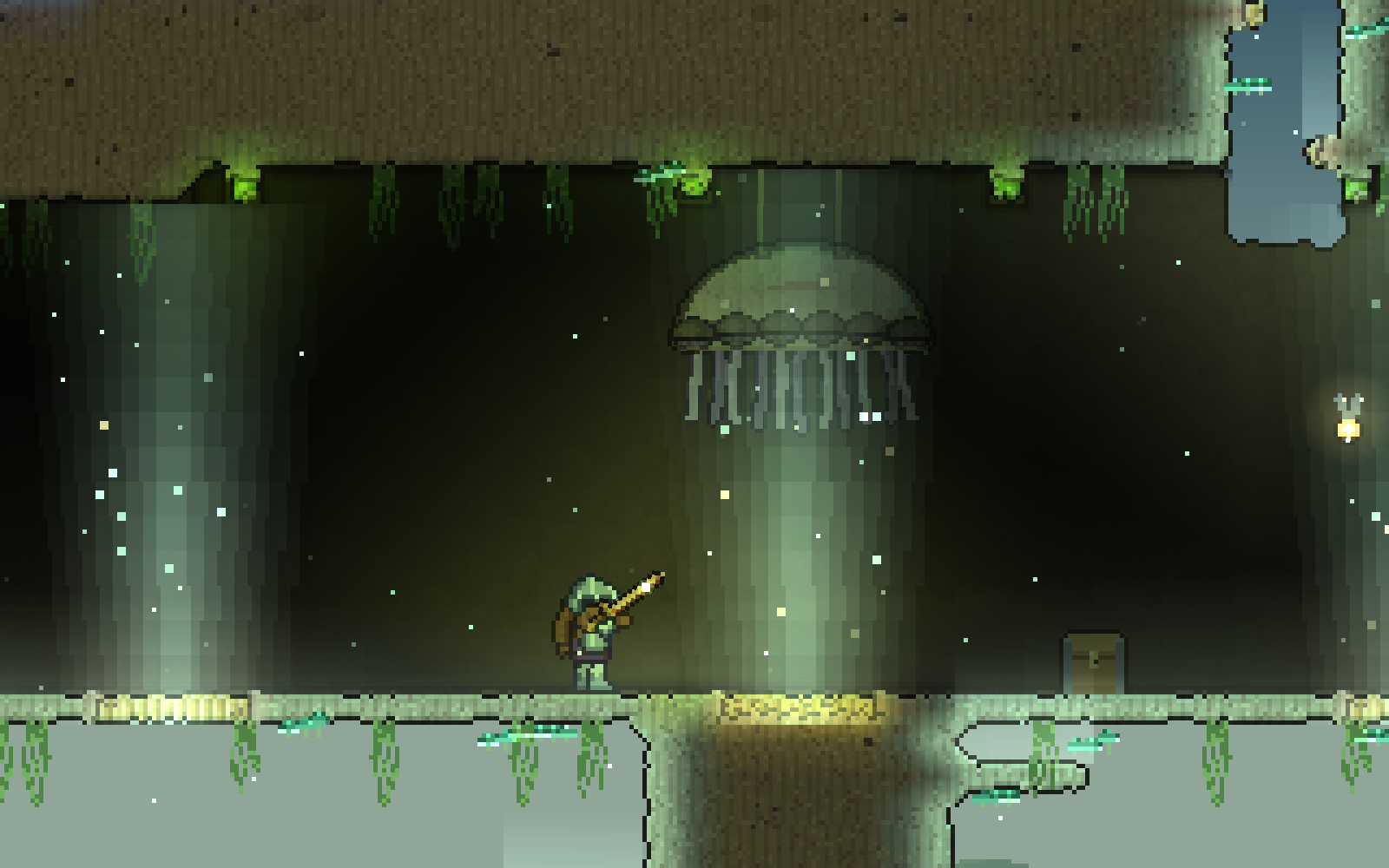
The Veilmother
Loops for as long as the fight with the Veilmother lasts, in the Mother Cap’s gill hall.
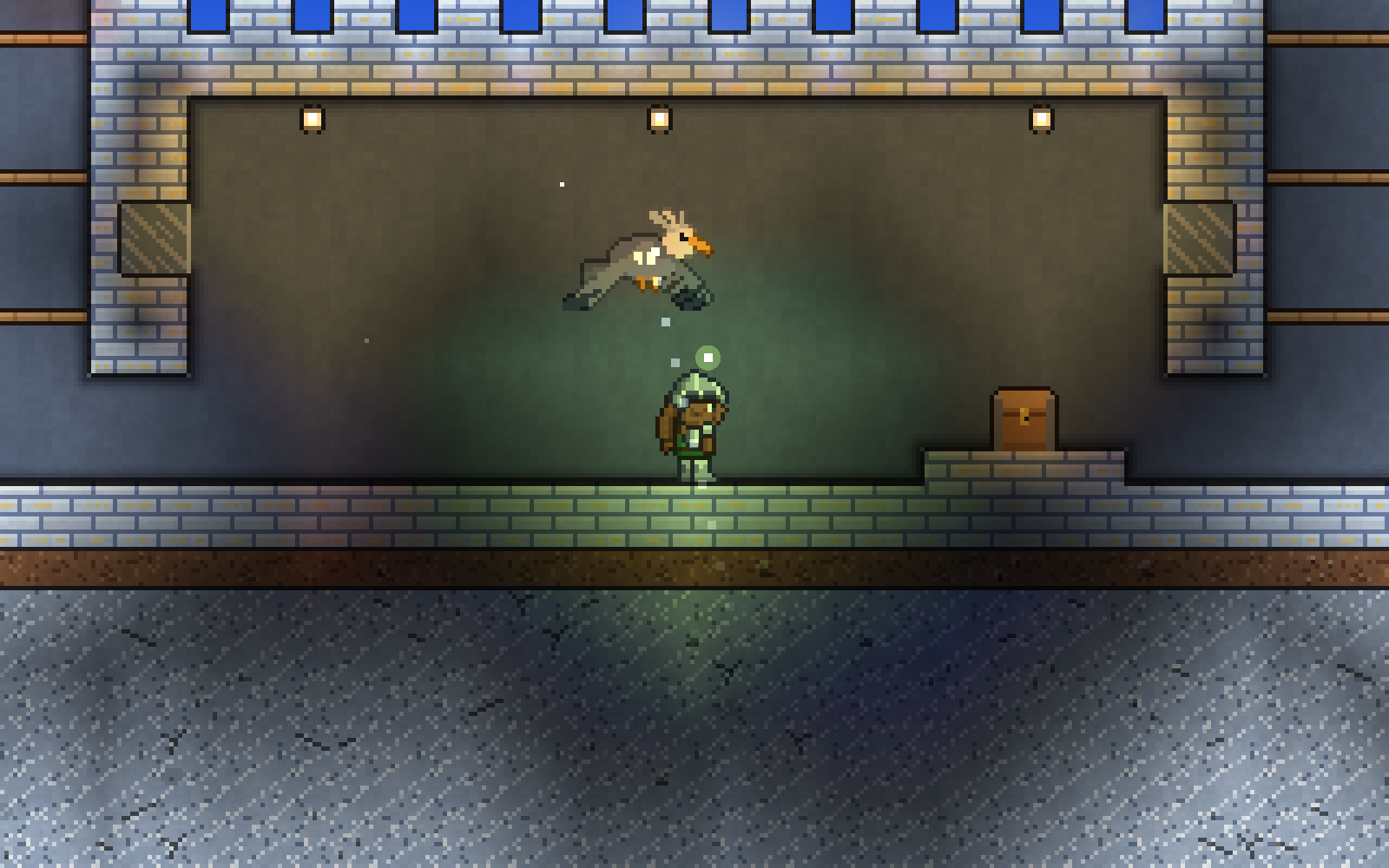
Old Gale
Loops for as long as the fight lasts with Old Gale, the Wind Keep’s roc.
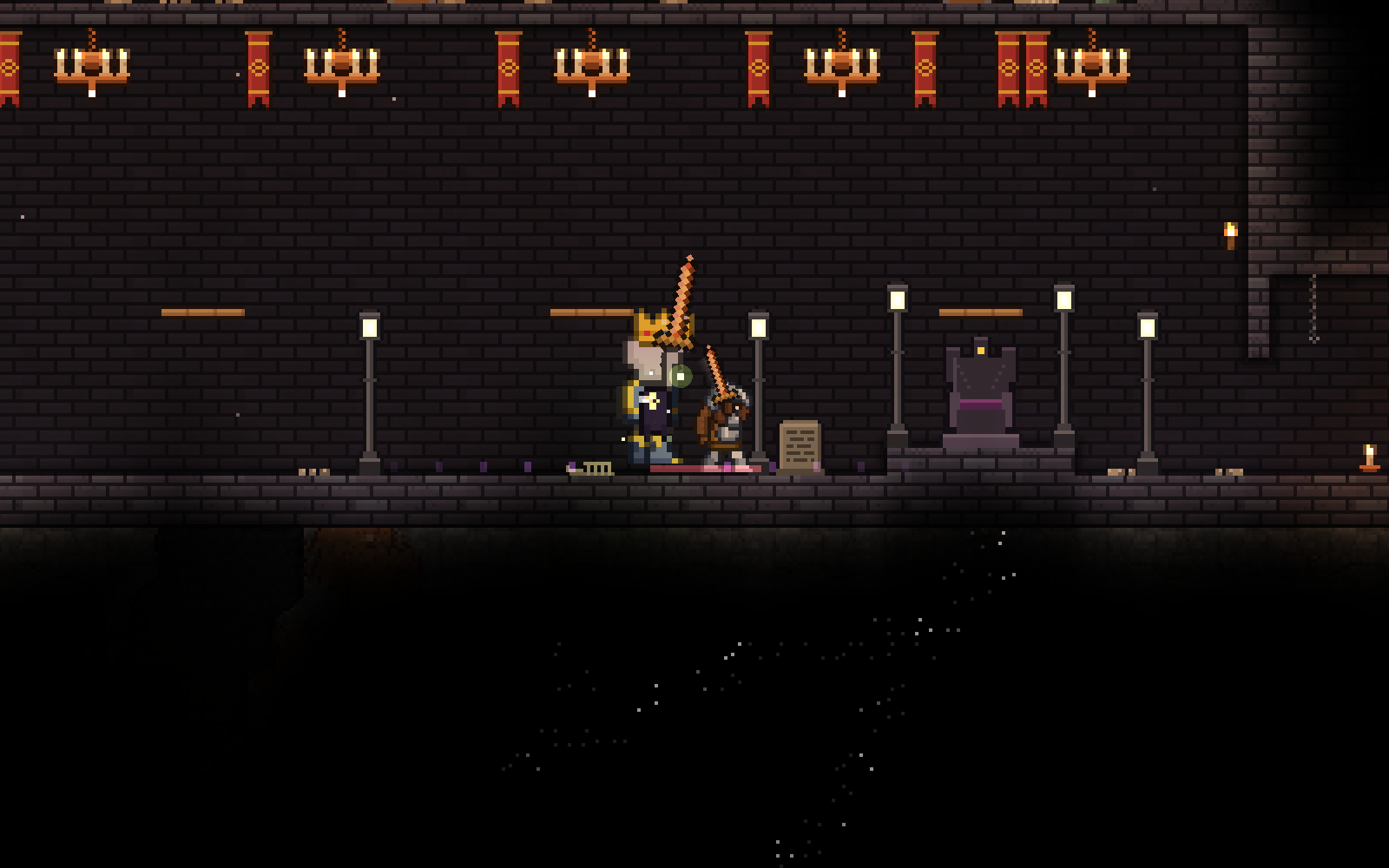
The Raven King
Loops for as long as the fight with the Raven King lasts, in Ravenhold’s throne hall.
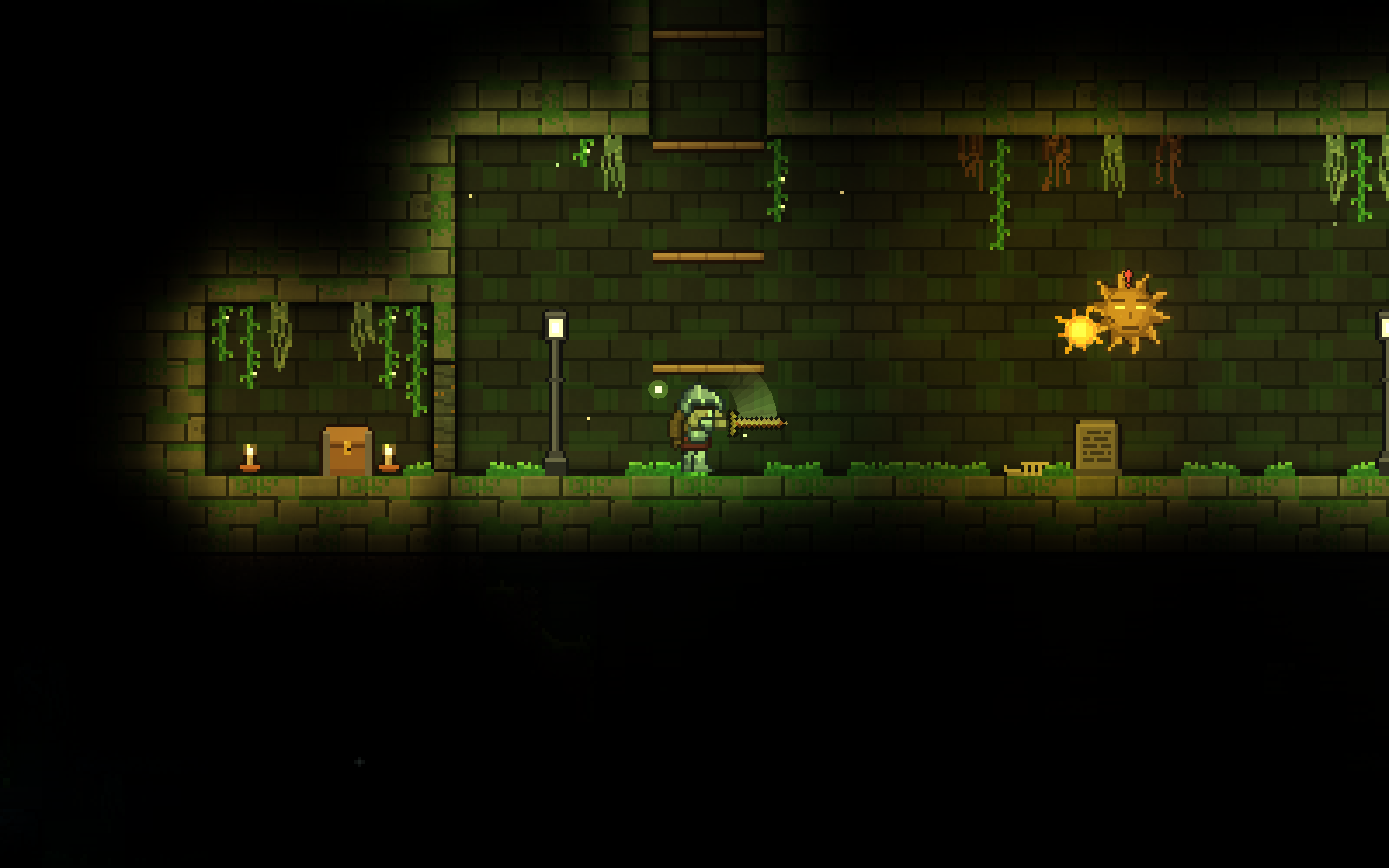
The Sun Idol
Loops for as long as the fight with the Sun Idol lasts, in the Sunken Temple’s sanctum.
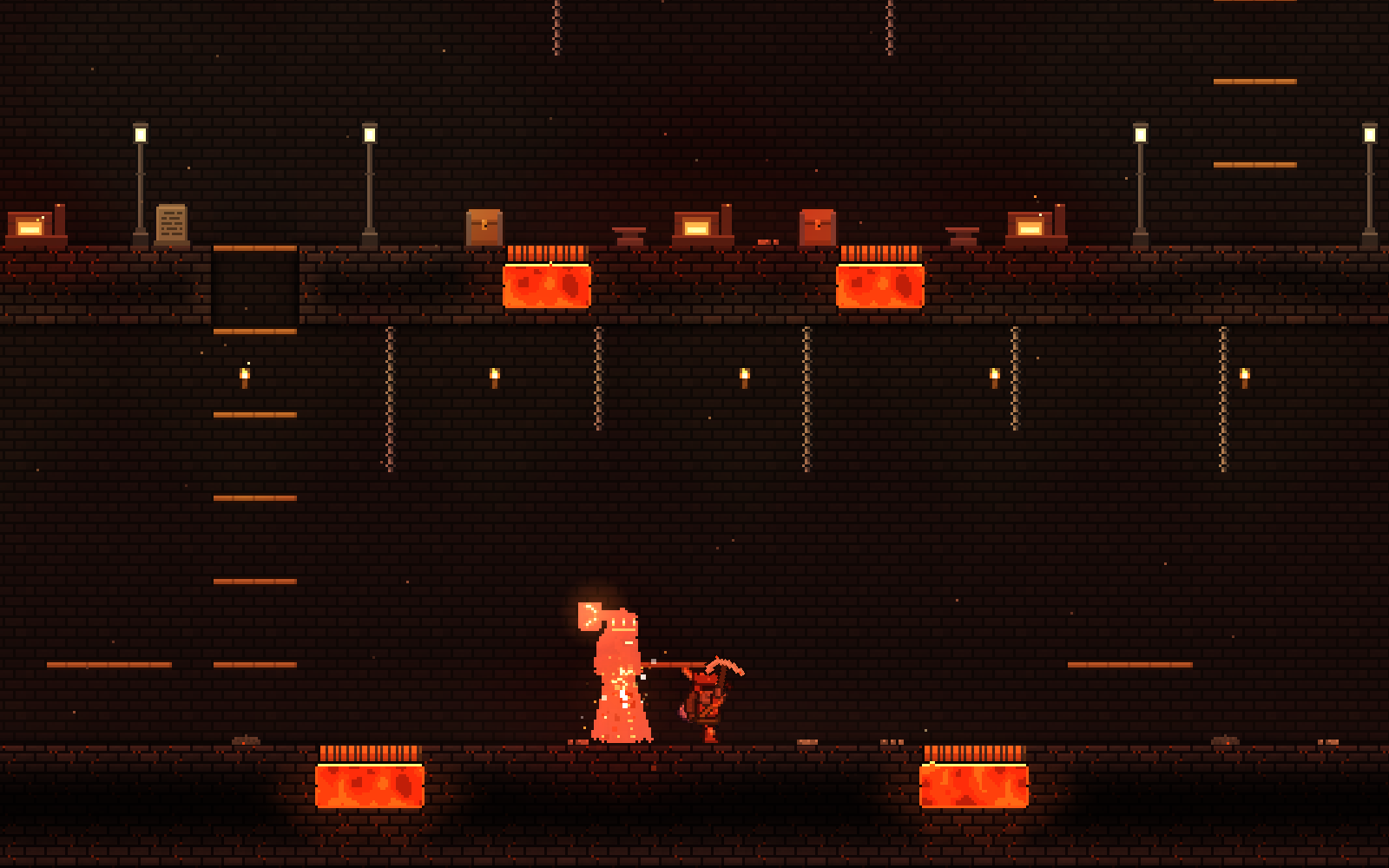
The Ash King
Loops through the fight with the Ash King in the Underworld City’s caldera, until his fire roars up at half his health.
The Ash King’s rage
Loops through the rest of the Ash King’s fight once his fire roars up at half his health.
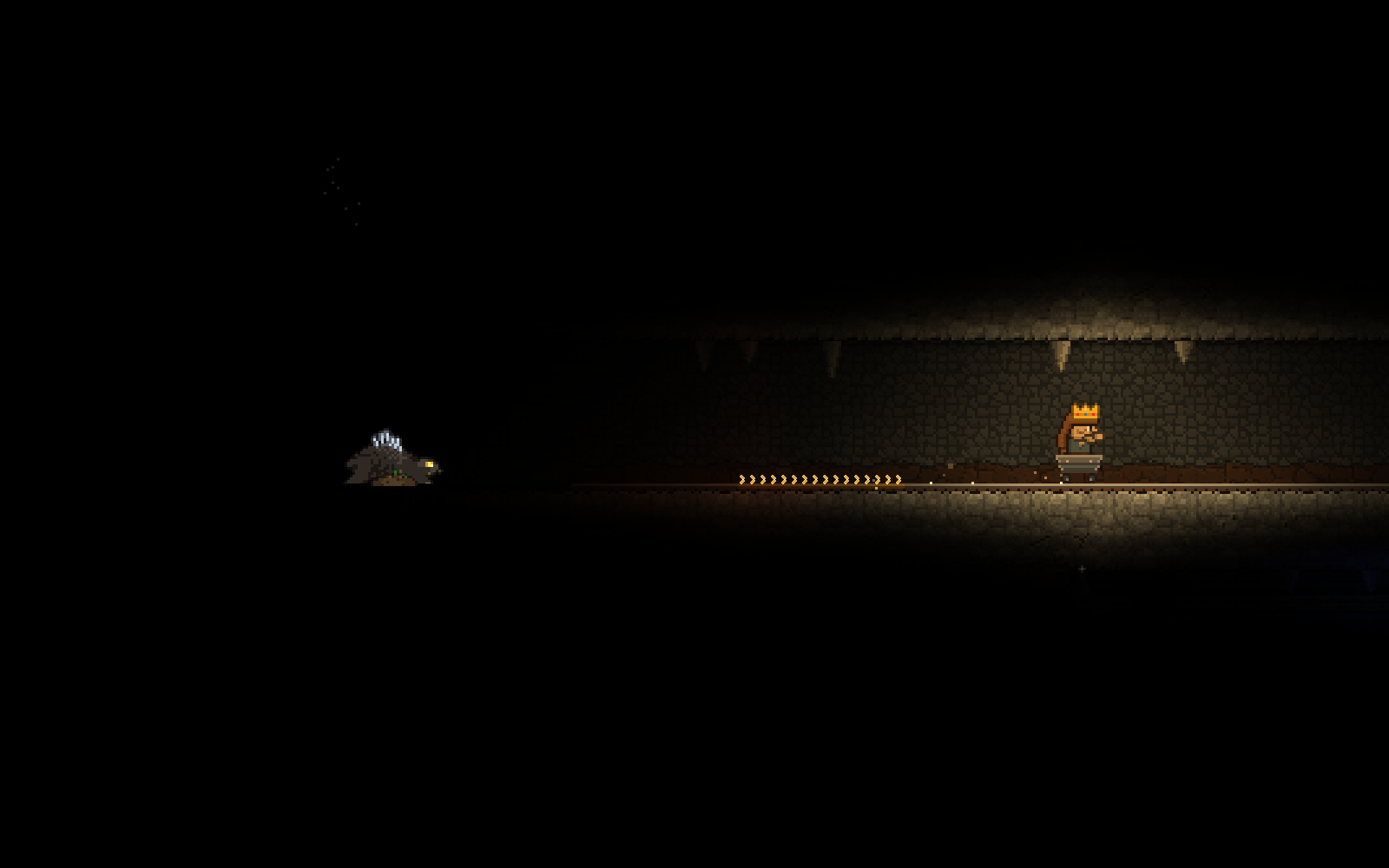
The Rumbler
Loops while the Rumbler, risen out of the rock, chases within about 40 tiles of the player.
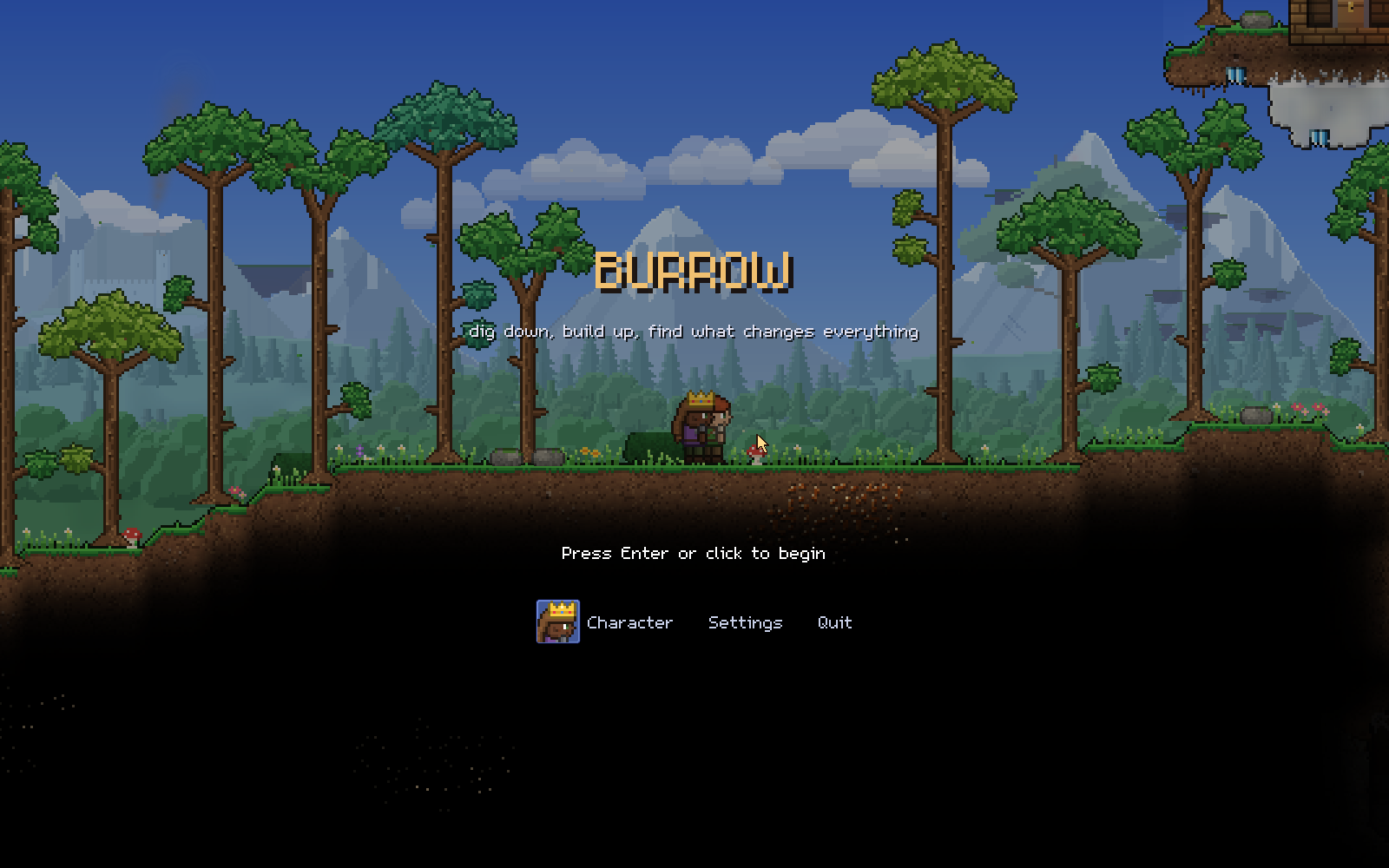
The title screen
Loops on the title screen.
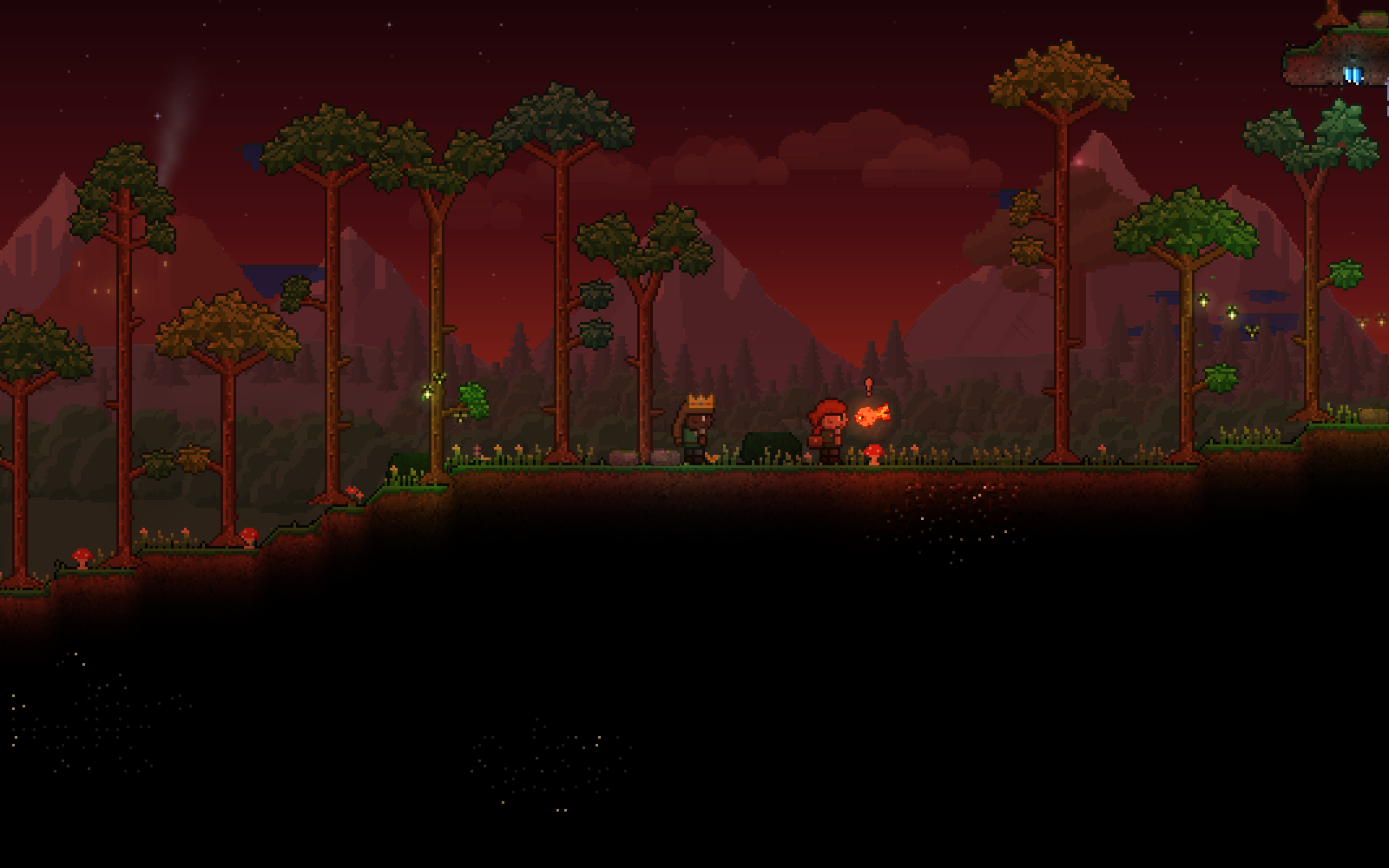
The Ember Moon
Loops through a red night while the Ember Moon has risen, for anyone out of doors or at home.
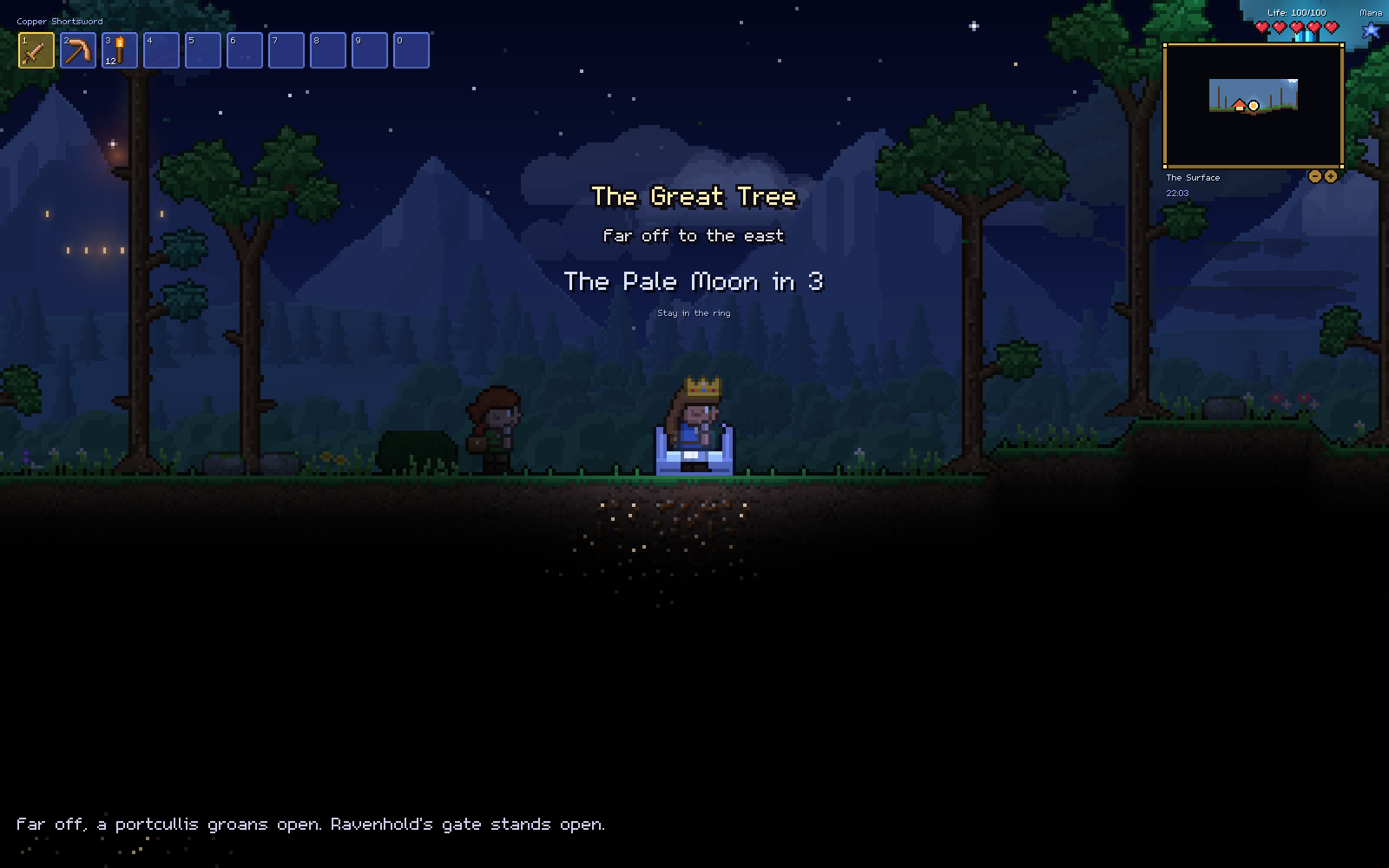
The Moonwell
Plays once as a Moonwell counts down five seconds, to the moon or back home, with a chord struck at the moment the party goes.
Stings
Each plays once over whatever music is on, at the moment it marks, such as a visitor coming to town, a gate opening, or a king freed.
0:00 / 2:49
Hearth
Home and the town
Home
The bard’s dance
A visitor’s fire
The surface
The forest by day
The surface at night
The Shore
The Frozen Reach
The Dunes
The dry canyon
The Tangle
The Lantern Wood
The sky
The Sky Isles
The sea of cloud
The Wind Keep
Caves and depths
Underground
Lantern Grotto
The Glowcap Marsh
The Glowshroom Hollows
The Sunken Halls
The Ashen Depths
Landmarks
The Great Tree
The Smoking Mountain
Ravenhold
The Sunken Temple
The Underworld City
The market ward
Rides
The rails
The Deep Ride
The far shore
The Lantern Shoals
The High Caps
The Gill Hills
The Ink Flats
The Quiet
The Pale Moon
The Homeward Seas
The Highlands
The polar lands
The Ray Fields
The Far Side
The Great Basin
The Undermoon
The selenite caverns
The moon’s ice caves
The moon’s deep
The Moth Lantern
The moon’s ruins
The ice works
The long stair
The sealed door
The last garden
Fights
The Moth Queen
The Cinder Wyrm
The Hollow Warden
The Lantern Keeper
The Veilmother
Old Gale
The Raven King
The Sun Idol
The Ash King
The Ash King’s rage
The Rumbler
Moments
The title screen
The Ember Moon
The Moonwell
Stings
An agent can’t hear the music, so it measures the rendered audio and reads its spectrogram.
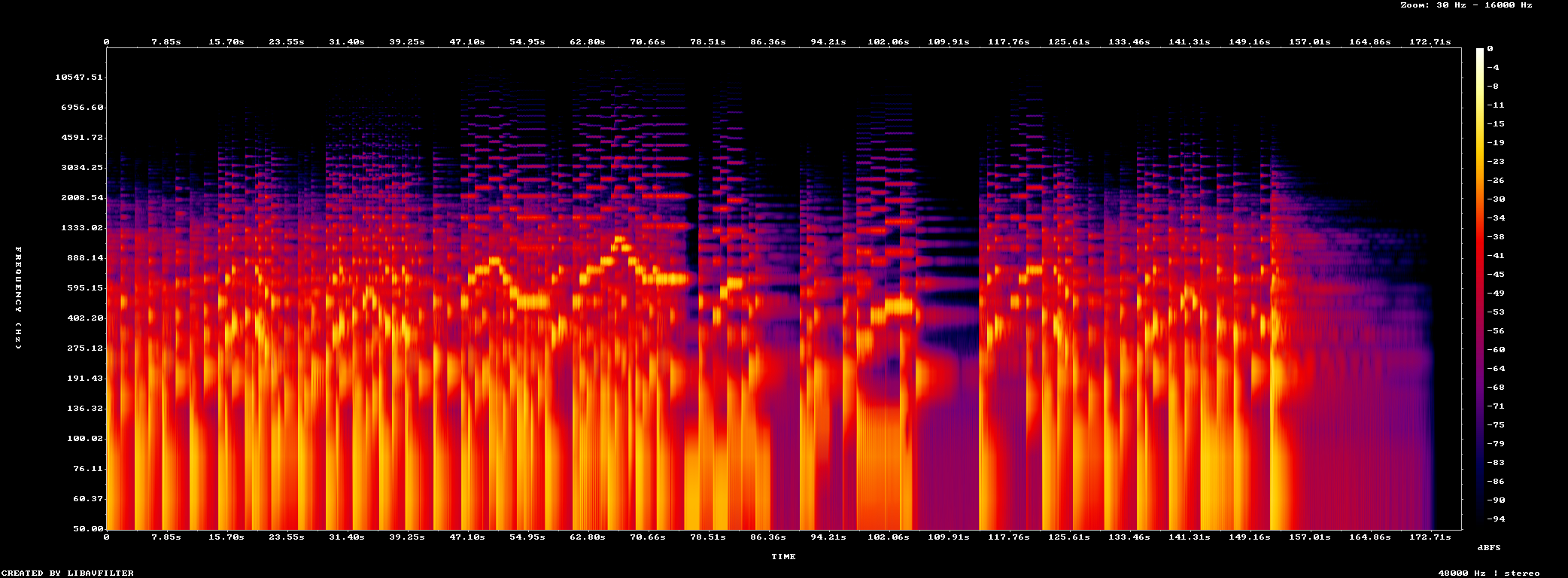
0:00 / 2:52
Hearth (8-bit)
In another piece, a horn that was supposed to sound distant measured as the loudest part.
the Glowshroom Hollows
Playtesting with the kids
On the first day the tests said the grappling hook worked, and it did, when worn in an accessory slot. I carried it in the hotbar, pressed the grapple key, and nothing happened. Five minutes after I reported it, the hook worked from the hotbar too.
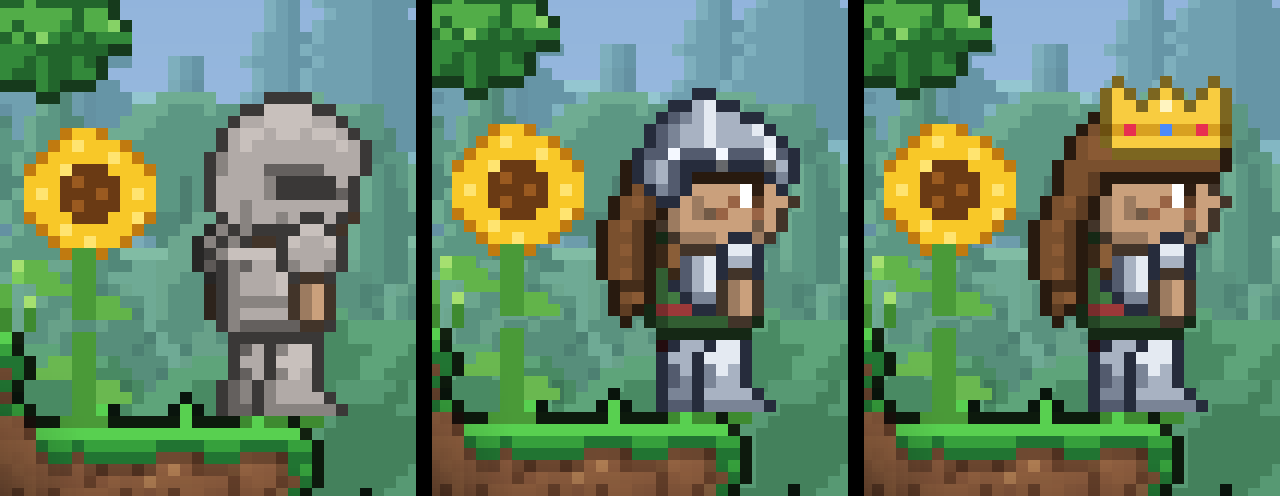
When my kids put on iron armor, it turned the character they had made into a gray block with a helmet over its face, and they didn’t want to wear armor at all. I asked for armor that hides less, and the helmets became open-faced.
We fought the giant moth several times just to get everyone a pickaxe. I asked for that to change, and a boss now gives every player their own rewards.
My kids and I built a railway. It runs from the balcony of our house out to a station on an island in the sky, and back.
After playing with it I told the main session to go all in on trains. Before designing anything, an agent opened a copy of our save and went over the railway. Beside the ramps it found staircases of bricks, and near home it found booster rails pointing backwards. It read the stairs as where we stood to lay the next rail and the boosters as our brake.
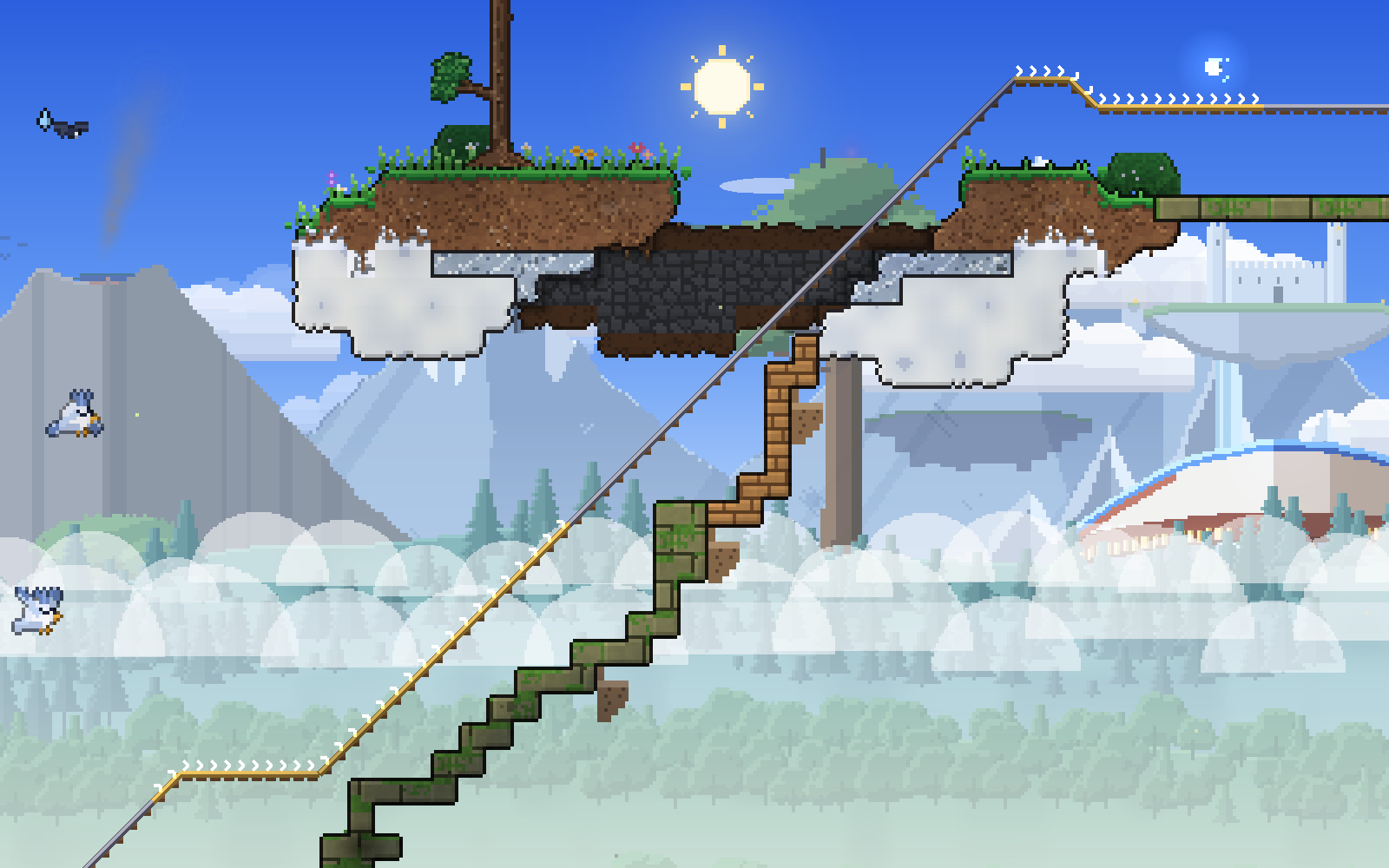
There is a brake rail now, and you lay a run of rail by dragging. Our railway as it stood that day went into the tests. They take the ride out and the ride back separately, and check that the cart lands and stops where it did then. I’ve tested the new trains. They work okay, and some of the interactions are a bit janky.
the Frozen Reach
Remaking the world
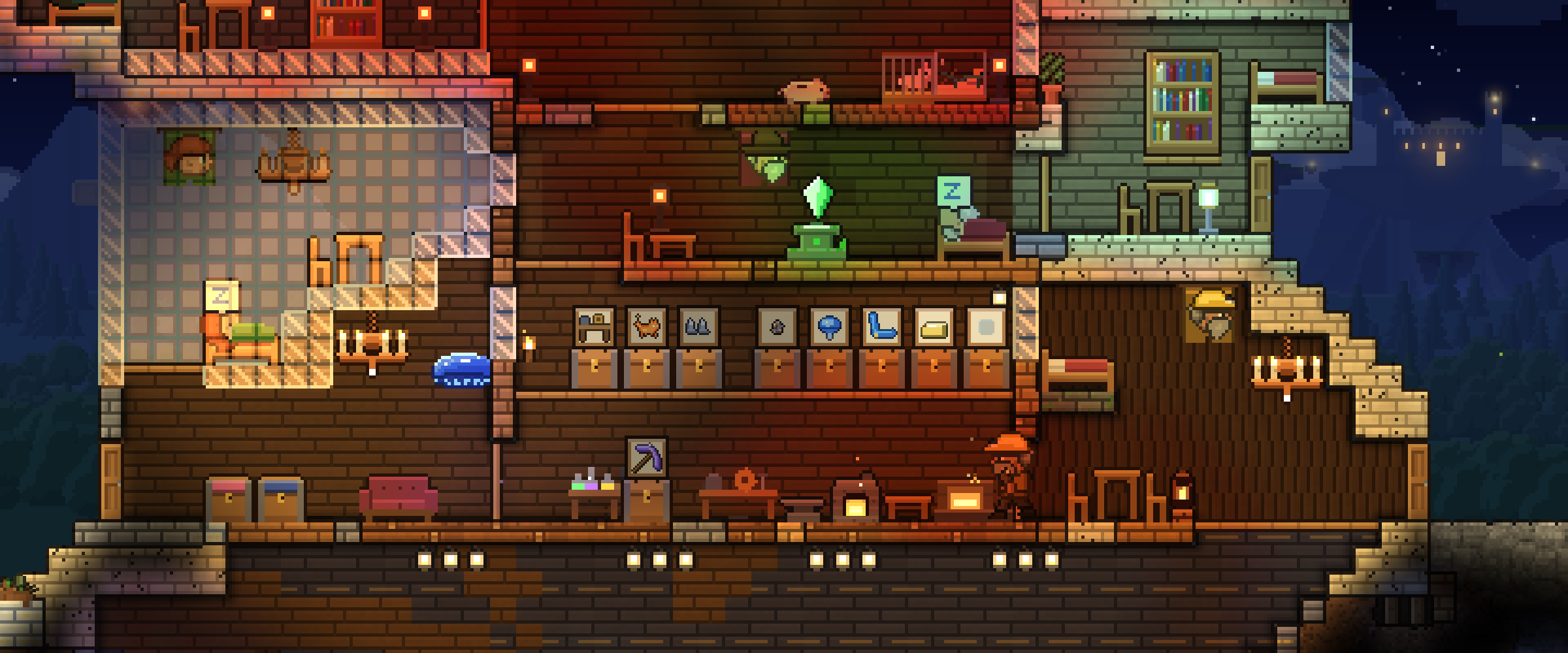
In the first days I kept changing how worlds are generated, and my kids were mostly about playing the one world we had started. So the game keeps track of what we build and dig. When the layout of the world changes, it makes a new world from the same seed and puts our house and whatever else we built into it, with our chests and the townsfolk who live with us. Then it says “The Valley Has Changed” and, under it, “Your home stands”.
I told the agents that the only important thing to keep is the house. The rest can change. Later the map got wider, and across the eastern sea there is a mushroom country. From our beach you can see its largest cap on the horizon.
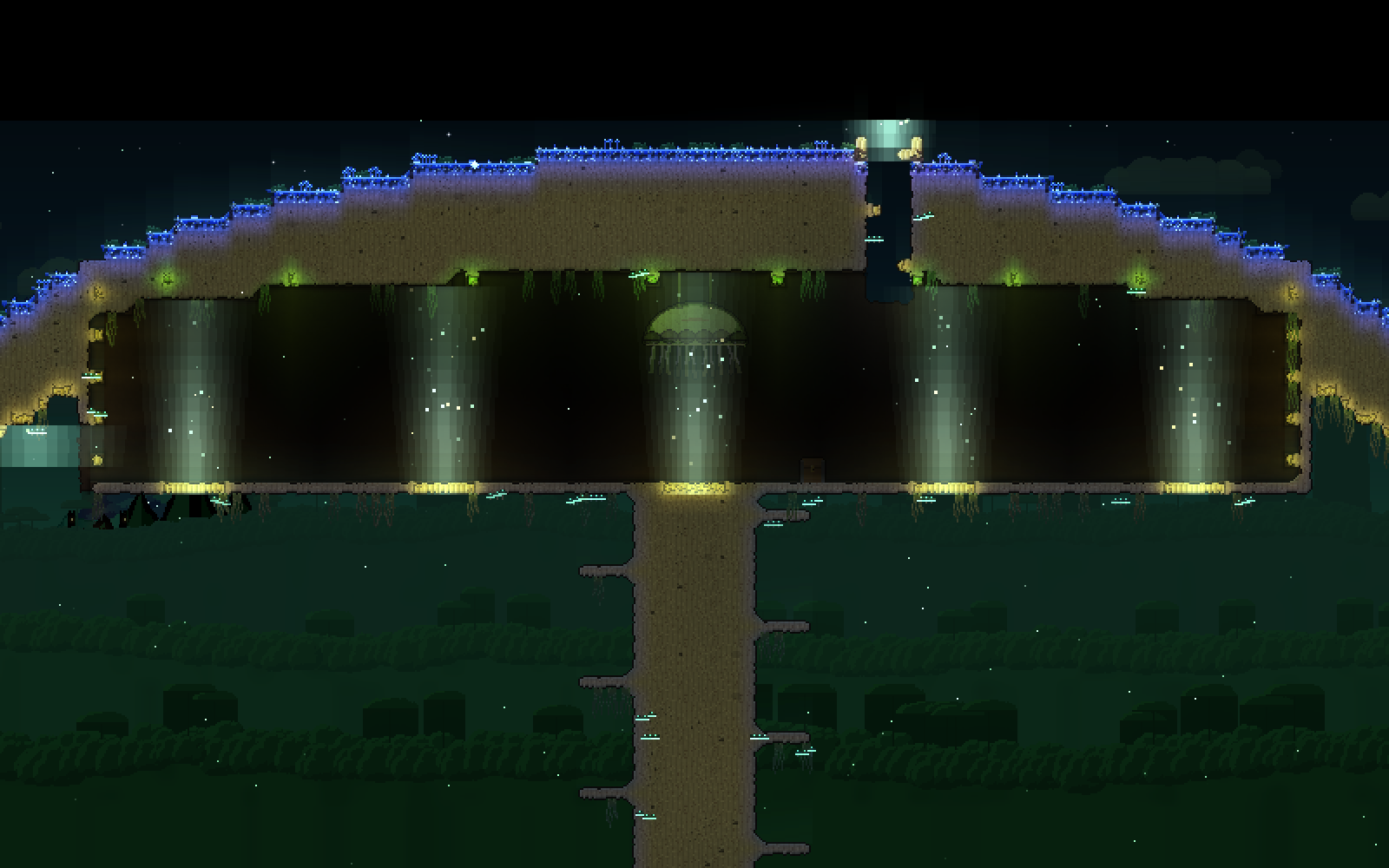
In November the kids added stone steps outside our door and picture frames on the shelf.
We usually play over the network at home, where I host the world and my son joins from his laptop. He wanted to show Burrow at school, so I made a second launcher for his laptop that starts a fresh world and doesn’t save it.
Terraria is a better game for most people. The point of Burrow, or of any personal software, is that it’s better for you. Nobody else will probably ever play this, but that’s fine.